
Understanding Candle Production: Scales, Methods, and Goals
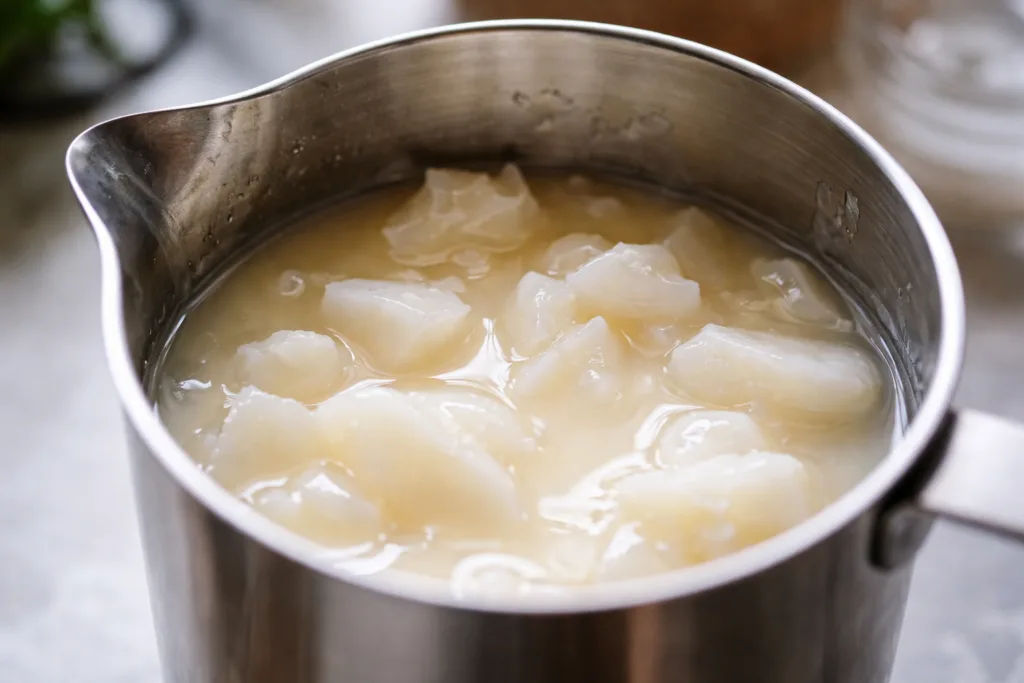
Every candle, from artisan single pours to large-scale runs, passes through a complex journey of wax blending, fragrance integration, vessel selection, and quality assurance. The intended batch size affects not only your per-unit costs, but shapes the customisation options, packaging possibilities, and scent complexity your brand can achieve.
Small Batch Production
Small batch typically means 50–500 candles per run—ideal for market testing, limited editions, or luxury private label projects. Orders below large-scale MOQ thresholds bring agility and creative freedom.
Large Batch Production
Large batch manufacturing usually starts at 1,000 units and can scale to tens of thousands. Brands benefit from optimized labor, automated pouring, and economies of scale, but flexibility decreases past certain order volumes.
- Small batch: greater flexibility, higher unit costs
- Large batch: lower unit costs, higher upfront investment
Cost Structure Differences: Why Small Batch Candle Production Costs More
The reality behind premium unit pricing for small batch candle production comes down to the distribution of fixed and variable costs. Some critical cost components simply do not decrease with lower quantities, leading to a higher unit price—this is the heart of MOQ and cost structure dynamics.
Fixed Costs That Don’t Shrink with Quantity
- Machine Setup Fees: Every production run, large or small, requires machine calibration, wax heating, and vessel preparation—costs that spread out more efficiently as batch size increases.
- Fragrance Development Fees: Custom scent formulation and testing charges are fixed, regardless if you order 100 or 10,000 units. Brands such as Circe Home may offer exclusive fragrance design that enhances market distinctiveness, but the fee per candle is far higher for limited runs.
- Sampling and Prototyping Fees: Sample candles or prototypes involve material cost, staff time, and bespoke adjustments. This fee rarely decreases for small orders.
Packaging, Labeling, and Component MOQ
Candle vessels, labels, and boxes are subject to packaging suppliers’ own MOQs. Ordering 200 candles, but a minimum of 500 custom glass jars or 1,000 cartons is required, means leftover inventory or higher per-unit spend.
- Glass/container MOQ (often 500+ per type/design)
- Box and label MOQ (commonly 1,000+ per design)
Labor and Handling Costs Are Fixed
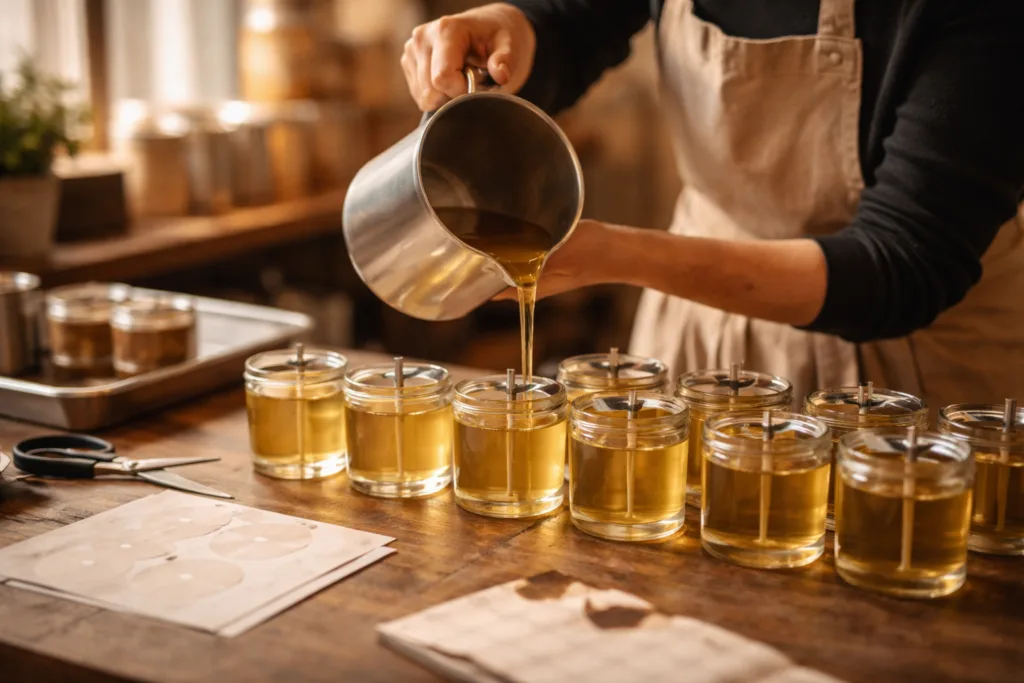
Regardless of batch size, tasks like wick centering, pre-pour vessel prep, hand-inspection, and precise filling don’t scale down. The labor required for 100 candles is not proportionally cheaper, so per-candle labor costs rise significantly for small runs.
Table: Breakdown of Cost Factors by Batch Size
| Cost Component | Small Batch (≤500) | Large Batch (≥1,000) |
|---|---|---|
| Wax & Fragrance (materials) | High | Lower (bulk rates) |
| Custom Scent Fee | High/unit | Low/unit |
| Machine Setup | High/unit | Low/unit |
| Packaging MOQ | Often unmet/forced surplus | Easily met |
| Labor | High/unit | Lower/unit |
Deep Dive: Key Candle Production Cost Drivers
Each step in the production process adds complexity and cost, from sourcing premium soy-coconut blends with optimal fragrance load, to ensuring IFRA-compliant scent systems and precision in packaging application.
Wax & Fragrance Loads
Premium waxes like soy, coconut, rapeseed, and blends command higher prices. Scent load percentages (typically 6–12%) affect both aroma and cost. Some waxes, such as Circe Home’s luxury blends, allow higher fragrance loading for maximal hot throw, but require advanced testing to ensure clean, soot-free burns and stable curing.
Essential Oils vs. Fragrance Oils
Essential oil compatibility, flash points, and disclosure requirements (IFRA) introduce extra formulation time, especially at smaller scale. Fragrance oils usually provide better scent throw per gram cost.
Wicks and Burn Profile Testing
Cotton and wood wicks must be precisely matched to vessel diameter, wax blend, and expected burn profile to prevent tunneling, mushrooming, or excess soot. Sampling and burn test costs do not shrink for small batches.
MOQ Realities: How Low Can You Go?
MOQs chiefly arise from the economics of suppliers, machine batching, and packaging runs. Even if your candle manufacturer offers flexibility, key suppliers (glass, labels, outer boxes) may not sell minimum less than 1,000 units per referenced SKU. In small batch, you often pay premium—or are left with unused surplus.
Common MOQ Thresholds
- Custom candle vessels: MOQ 500–1,000 pcs
- Labels/boxes (custom design): MOQ 1,000 pcs
- Wick/fiber supplier: often 10,000 pcs
“Circe Home Lab Insight: Custom outer packaging and foiled labels usually require MOQ of at least 1,000 units for economic viability, but flexible inventory solutions can ease the upfront load for new luxury brands.”
Large Batch Candle Production: Where Cost Efficiency Emerges
In high-volume runs, efficiencies compound: bulk wax ordering reduces per-kg price; fragrance fees flatten out; machines are optimized for automated pouring, wicking, and boxing, slashing labor spend. Large batch unlocks more sophisticated finishing—multi-layer pours, intricate vessel treatments, and higher capacity for rigorous QC testing (burn time, soot index, fragrance diffusion consistency).
Scalable QC and Compliance Programs
- Automated burn profile recording, batch-by-batch
- Systematic wick centering and inspection
- Routine IFRA and CLP compliance documentation
Small Batch: Higher Agility, Higher Cost Per Candle
While small batch orders command higher price per candle, they allow rapid market testing, fast response to trends, and ultra-premium positioning. For limited edition scents, custom vessel trials, or boutiques demanding flexibility, this premium is often justified by brand value and creative freedom.
Case Study: Crafting a Signature Scented Candle (Small vs. Large Batch)
Step-by-Step Formulation
- Developing custom fragrance with precise IFRA compliance
- Prototyping vessel (selection, heat-testing, label design)
- Testing wick type: cotton vs. wood, burn profile optimization
- Coordinating packaging design (MOQ risk for small batch)
- Pilot pour and QC verification
- Scaling to large batch (if validated)
Common Pitfalls in Small Batch
- Paying more per vessel, box, or label due to unmet supplier MOQs
- Disproportionately high setup, sampling, or compliance fees
- Labor bottlenecks—each jar requires hand work, unscalable for micro runs
- Over-buying components to meet supplier thresholds
Quality, Testing, and Regulatory Considerations
Small runs still require full safety compliance: CLP labeling (EU), IFRA standards, burn time testing (targeting >35hrs for 200g), soot index, and allergen declaration. Larger batches may fund more exhaustive market safety testing, but every candle must pass core checks for soot-free, even burn, and fragrance consistency.
Key Quality Control Steps
- Weighing wax and fragrance loads precisely by batch
- Checking wick placement and straightness
- Testing vessel adhesion and label accuracy
- Final burn and scent throw test prior to boxing
Sustainability & Packaging: From MOQ to Eco-Conscious Choices
Eco-packaging, soy-ink labels, FSC-certified cartons, and refillable vessels—but with MOQ challenges. Small batch may face higher unit costs to source compostable or post-consumer materials in low quantities. Large batch can justify custom toolings or large runs of unique, environmentally friendly formats.
Small Batch vs Large Batch Candle Production: Cost & MOQ Comparison
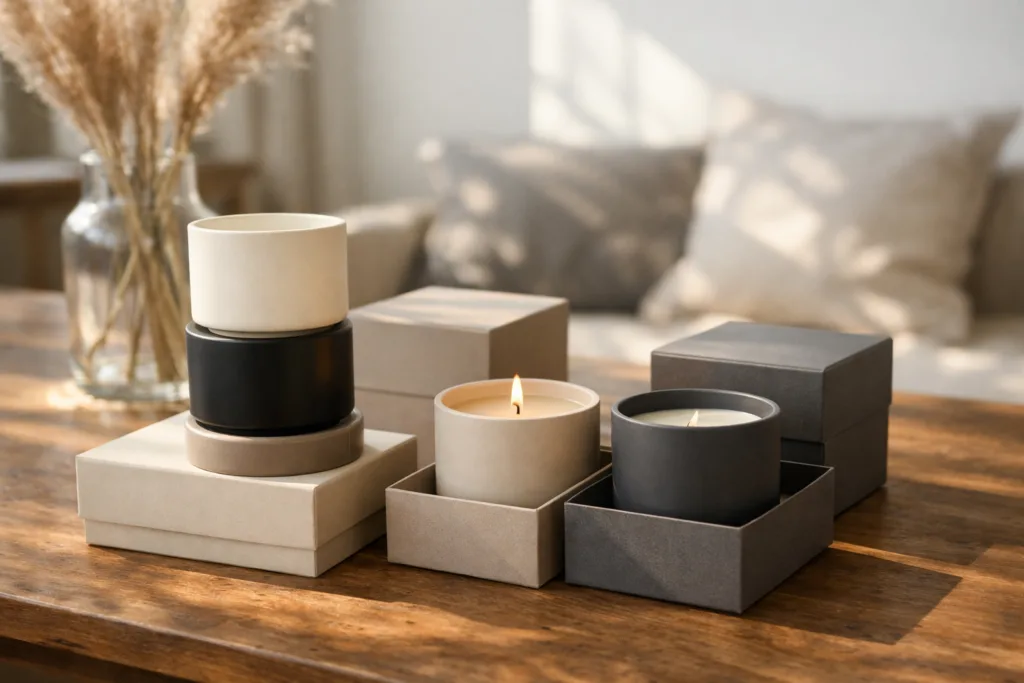
When deciding between small batch and large batch candle manufacturing, weigh the fixed costs that don’t shrink, the MOQ pressures from suppliers, and the agility the small batch grants versus the price-saving efficiencies of scalable runs. For brands serious about harnessing premium wax blends, fragrance expertise, and elegant, compliant packaging, manufacturers like Circe Home offer consultation rooted in decades of production experience and refined scent innovation.
Frequently Asked Questions
Why are small batch candles more expensive per unit?
Small batch candles must cover high fixed costs like setup, custom fragrance creation, and sampling across fewer units. Packaging and label MOQs often force higher per-candle pricing, making limited runs less cost efficient than large batch production.
What MOQs do most luxury candle manufacturers set?
MOQs often start at 500 units for vessels and 1,000 units for custom boxes or labels. Some premium manufacturers may offer lower runs for exclusives, but at higher per-unit cost.
How does custom fragrance development affect cost?
Custom fragrance R&D is a fixed fee, regardless of batch size, increasing the per-candle price on small orders. Once the scent formula is established, larger batches can spread this fee over more units.
Can small batch production still meet regulatory compliance?
Yes, reputable manufacturers ensure full IFRA, CLP, and burn safety testing for all batch sizes, but small runs must still complete all required technical and label validations.
Is luxury packaging possible with small batch orders?
Yes, but sourcing premium jars, embossed boxes, or foiled labels below supplier MOQ usually incurs higher unit cost or surplus inventory, challenging for small-batch launches.
What’s the main risk of starting with a large batch?
Large batch orders require higher upfront investment and commit you to significant inventory. If market feedback is unproven or scent testing is incomplete, this can tie up capital and storage resources.