
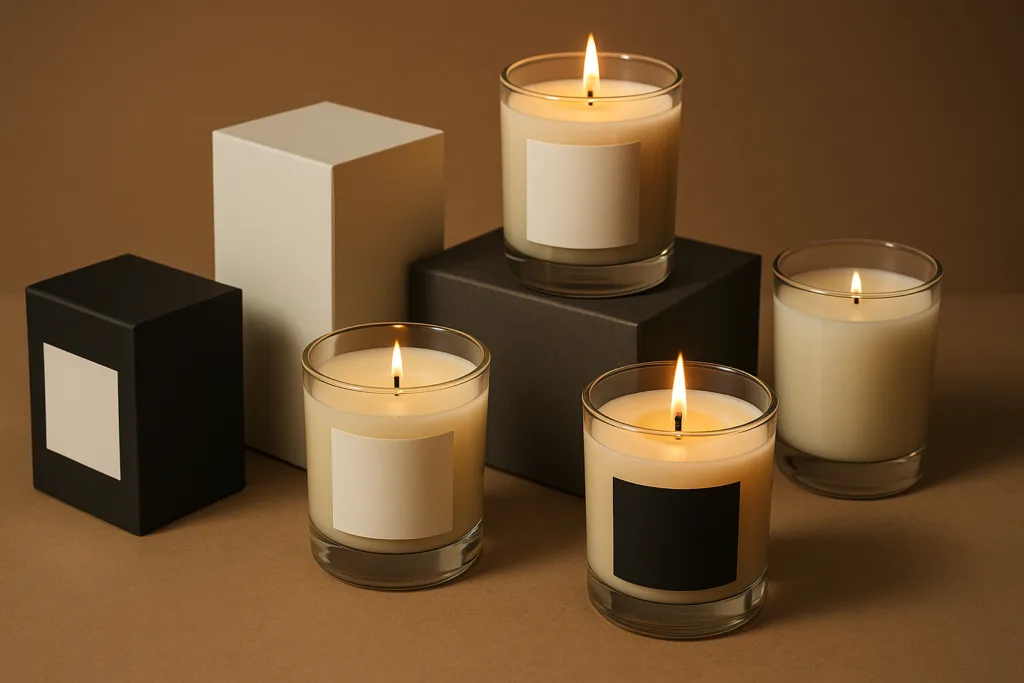
Luxury candle brands don’t succeed simply because their candles smell good. They triumph because they understand the psychology of desire—how customers want to feel, who they want to be, and what identity they want to signal when a candle burns in their home.
From sensory design to emotional positioning, luxury candle brands use layered psychological triggers to justify premium pricing and build a cult following. Below is a deep dive into the psychological foundations that shape the world’s most successful high-end candle brands.
1. Emotional Positioning: Selling a Feeling, Not a Candle

Luxury candle brands rarely market wax, wicks, or burn time. They sell emotional states: calm, intimacy, sensuality, focus, escape.
Why it works
Because emotions are the strongest purchase motivators. When customers buy a $60 candle, they’re not buying a product—they’re buying a shift in their internal world.
How successful brands do it
- Diptyque uses nostalgia and poetic storytelling to evoke a refined cultural lifestyle.
- Jo Malone promotes an understated elegance—an identity that buyers aspire to.
- Le Labo uses raw minimalism to sell an aura of artistic exclusivity.
Luxury candles act as emotional props, letting consumers step into the life they imagine for themselves.
2. Sensory Branding: Creating Multi-Sensory Desire
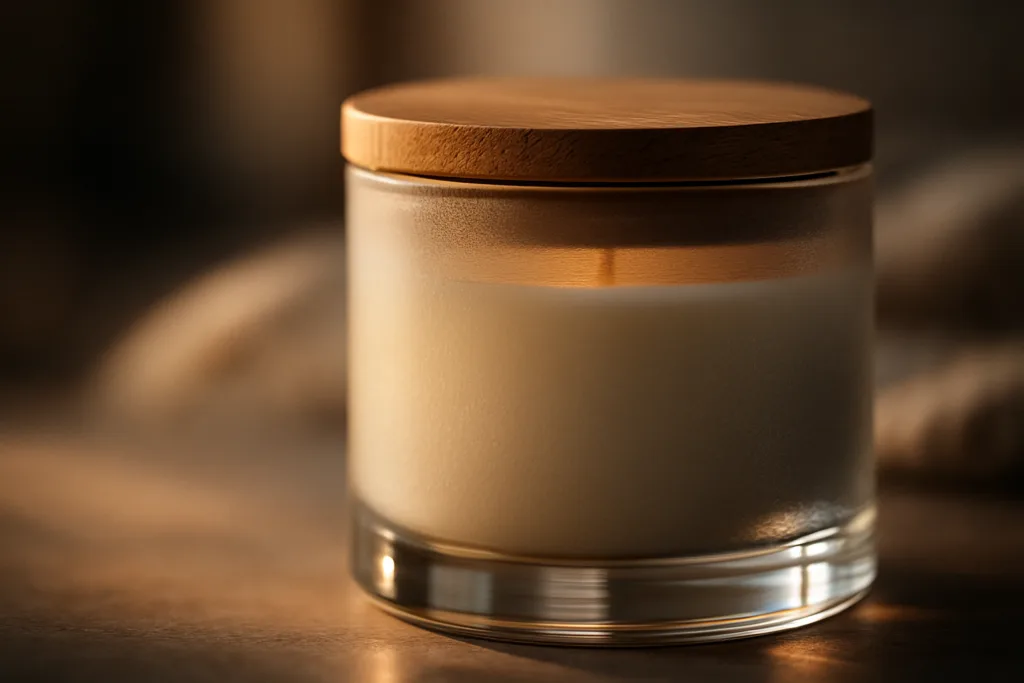
Candles naturally engage scent, but luxury brands activate all five senses to deepen emotional impact.
Scent (Primary Trigger)
Scent links directly to the limbic system, responsible for memory and emotion. This makes fragrance one of the most powerful emotional branding tools.
Touch
Heavy glass vessels, textured labels, matte surfaces—luxury brands design objects that feel premium.
Sight
Color palettes are intentional: muted neutrals for sophistication, deep tones for mystery, whites for purity.
Sound
The subtle sound of a wooden wick crackling or a magnetic box clicking shut creates unconscious satisfaction.
Why it matters
Multisensory input increases perceived value. When packaging and sensory cues feel high-end, the candle instantly feels more luxurious.
3. Brand Archetypes: Using Mythology to Build Loyalty
Luxury candle brands use psychological archetypes to anchor their identity deeply in the customer’s mind.
Common archetypes in candle branding
- The Creator – artistic, expressive, artisan craftsmanship
- The Lover – sensuality, intimacy, slow pleasure
- The Sage – botanical wisdom, purity, natural authenticity
Why it works
Archetypes help customers instantly understand what the brand represents. They satisfy subconscious needs for meaning, belonging, and identity alignment.
A candle becomes more than a scent—it becomes part of who the customer believes they are.
4. Pricing Psychology: The Luxury Premium Illusion
High-end candle pricing is not about cost; it’s about perception.
The luxury psychology at play
- Higher price = higher value (customers trust expensive products more)
- Scarcity signals exclusivity (limited editions sell faster)
- Price anchors identity (people feel elevated when buying luxury goods)
Why it works
Luxury candles are symbolic items. Consumers purchase them as emotional rewards, status expressions, or sensory indulgences. The price is part of the experience—reminding the buyer that they deserve something extraordinary.
5. Visual Design: Aesthetic Codes of the High-End Market
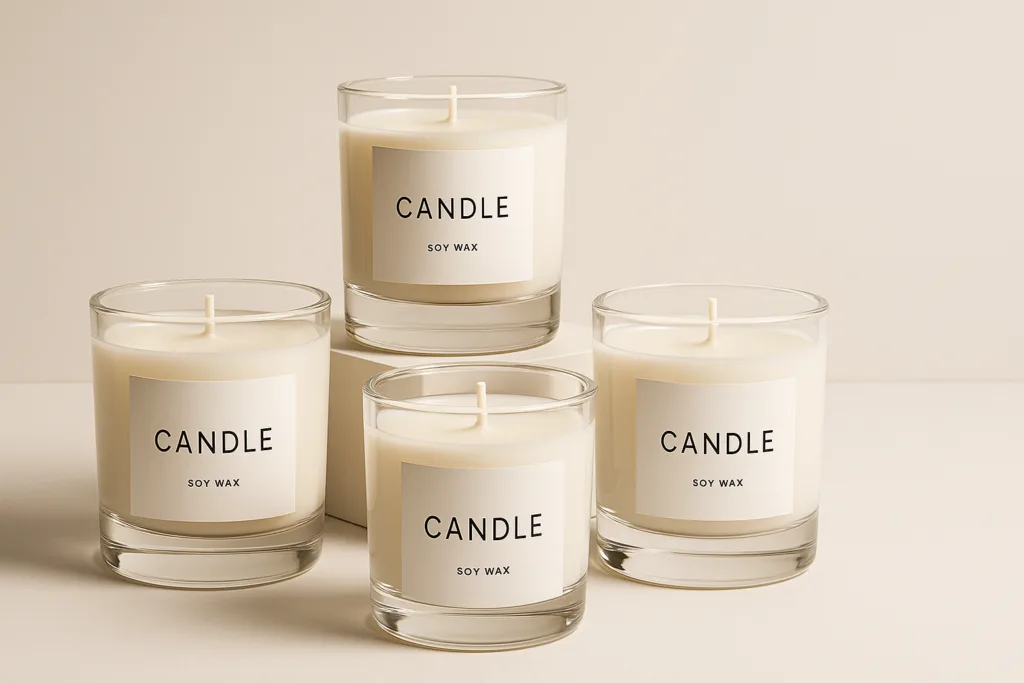
Luxury candle brands follow strict design psychology to create instant brand recognition.
Key design strategies
Minimalism = Luxury
Clean lines and uncluttered labels imply sophistication.
Symmetry = Trust
Balanced logos and container shapes trigger feelings of stability.
Weight = Value
Heavier vessels feel more expensive and collectible.
Color Symbolism
- White = purity, spa-like calm
- Black = mystery, premium elegance
- Gold = indulgence, prestige
The silent language of design
Before a customer even smells the candle, they should see that it’s high end.
6. The Power of Ritual: Why Candles Build Strong Loyalty
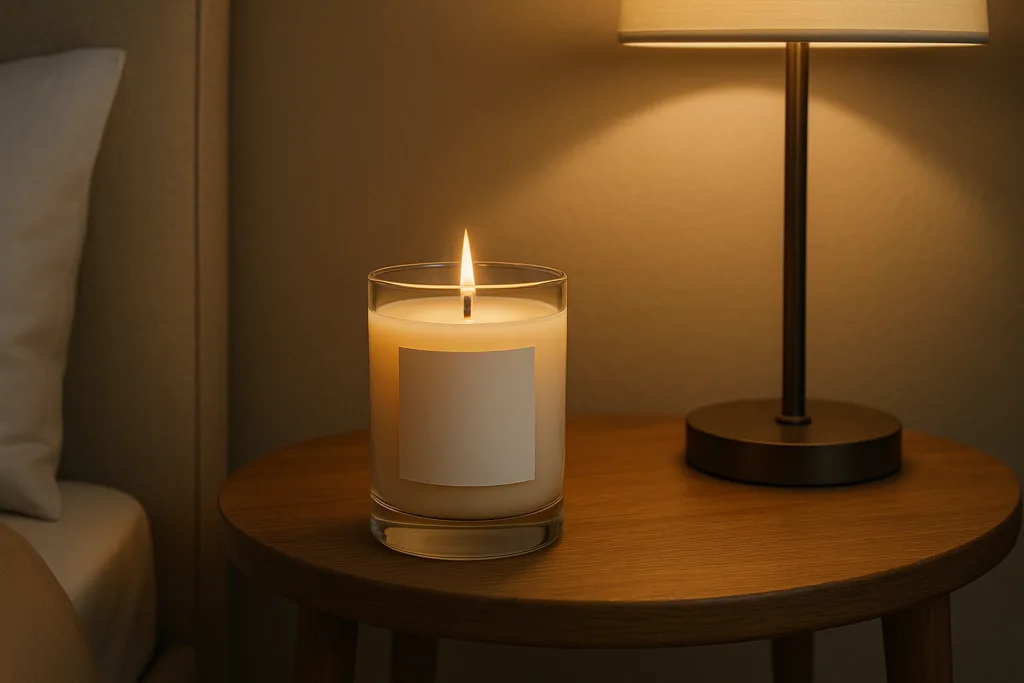
Luxury candles become part of a customer’s daily rituals—evening unwind routines, meditation sessions, self-care practices.
The psychology behind ritual formation
- Rituals provide emotional stability
- Repetition creates attachment
- Attachment forms brand loyalty
Why rituals matter for luxury brands
A candle that becomes part of someone’s daily routine almost guarantees a lifetime of repurchases.
Consumers return not for the scent, but for the emotional reset that lighting the candle represents.
7. Atmospheric Branding: Creating a Sensory World Online & Offline
Luxury candle brands design immersive brand experiences across retail stores, websites, and social media.
In-store
- Dim lighting to enhance ambience
- Curated playlists for emotional influence
- Diffused signature scents to deepen memory imprint
Online
- High-quality product photography that “lets you smell through the screen”
- Story-led product descriptions
- Visual consistency across social platforms
Atmospheric branding makes the customer feel like they’re entering a dream-like world—a world where they spend more.
8. Conscious Luxury: Ethical Choices as Emotional Drivers
Modern consumers want luxury without guilt.
The psychology behind eco-luxury
- People feel morally elevated when buying sustainable products
- Certifications (FSC, soy wax statements) create trust
- Eco narratives allow customers to rationalize high prices
How brands use this
- Promoting cruelty-free and vegan formulations
- Highlighting recyclable packaging
- Offering candle refills as a sustainable luxury
This creates a win-win: emotional satisfaction + perceived responsibility.
Conclusion: Luxury Candles Are Emotional Artifacts
The world’s most successful luxury candle brands thrive because they understand a truth: they are not selling candles—they are selling identity, emotion, ritual, and aspiration.
A luxury candle is a psychological product wrapped in fragrance and glass. And the brands that master emotional storytelling, sensory branding, and identity alignment will always lead the market.
FAQs
1. Why are luxury candles so expensive?
Because customers are paying for emotional value—brand storytelling, sensory experiences, premium packaging, and the identity the product symbolizes.
2. How do luxury candle brands create a high-end image?
Through minimalistic design, weighty materials, consistent branding, sophisticated fragrance blends, and powerful emotional narratives.
3. Do customers really care about sustainability in candles?
Yes. Eco-friendly materials give customers guilt-free pleasure and increase trust in the brand.
4. Why do certain candle brands become cult favorites?
Because they build emotional rituals, create distinctive scents, and use archetypes that resonate deeply with their audience.
5. What psychological triggers increase candle sales?
Scarcity, sensory design, brand archetypes, emotional positioning, price anchoring, and identity alignment are all key drivers.