
What Is Candle MOQ and Why Does It Matter?
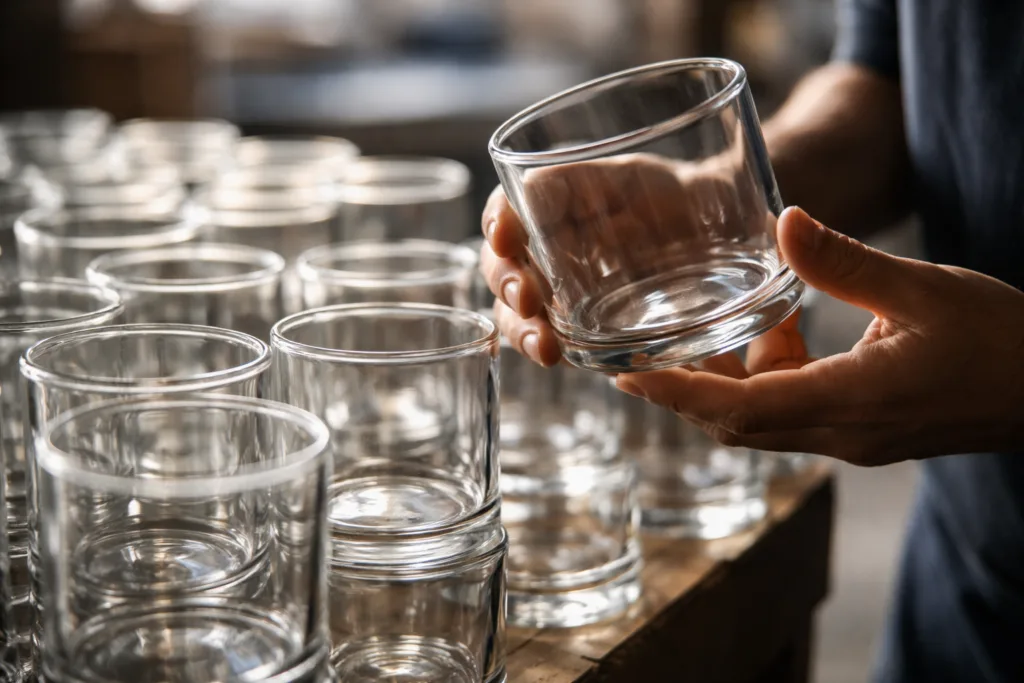
MOQ stands for Minimum Order Quantity. In the candle industry, this is the smallest number of units or components a manufacturer will produce (or assemble) in a single order. For custom candles, MOQ usually covers not just the finished candles but the essential materials: waxes, fragrance, vessels, labels, and packaging. Each component may have its own MOQ—understanding these can help you budget smartly and optimize custom options for your brand.
The Building Blocks of Custom Candle MOQ
- Vessels (glass, ceramics, tins) – often packed by cases or cartons
- Labels & decorative elements – typically starting from 1,000pcs for printed designs
- Outer Boxes (retail packaging) – industry standard often 1,000pcs per design
- Fragrance oils – may require 1–5kg batch size minimums
- Wicks – can be sourced in bulk but usually not limiting for MOQ
Material MOQ Breakdown: Vessels vs. Packaging
Material sourcing is critical for custom candle production. Most manufacturers, including Circe Home, work with global supply chains, which means each component has specific case or carton MOQ. For example, glass vessels may be packed 48pcs per case, but suppliers typically require 1,000pcs per vessel color or size per order. Printed retail boxes, especially with luxury finishes (foil, embossing), also start at 1,000pcs per design. This is dictated by printing press set-up and color calibration costs, not just material value.
| Material | MOQ | Why? | Custom Option Notes |
|---|---|---|---|
| Glass Vessel (8oz) | 1,000pcs | Imported by pallet/case | Color/cap finish MOQ |
| Ceramic Jar | 800–1,200pcs | Mould fee amortization | Embossing: start at 1,000pcs |
| Printed Box | 1,000pcs | Printer setup cost | Foil: often 1,500–2,000pcs |
| Custom Fragrance | 5kg batch | Oil blending yields | Premium oils: small batch possible |
Why Industrial Candle Manufacturing Can’t Offer True ‘Low MOQ’
Large-scale candle factories use automated processes for melting, blending, pouring, and boxing. These lines are optimized for thousands of units per shift. The sheer setup time and cost for each vessel, scent, and box design make running small batches commercially unfeasible. Machine calibration, bulk wax melting, and packaging line retooling mean anything below the material MOQ raises per-unit costs dramatically, with the risk of defects or incomplete compliance checks.
Hidden Costs of Going Below MOQ
- Machine downtime and cleaning fees
- Troubleshooting new scent formulas: off aromas, uneven dispersion
- Wastage: extra wax, labels, and vessels unused or unsaleable
- Compliance testing for small batches—often cost-prohibitive
Circe Home Lab Insight: “Production efficiency peaks at full vessel and packaging MOQs. Below that, the per-candle cost may double or triple, even for simple blends.”
Low MOQ Custom Candles—Is Hand-Pouring the Solution?
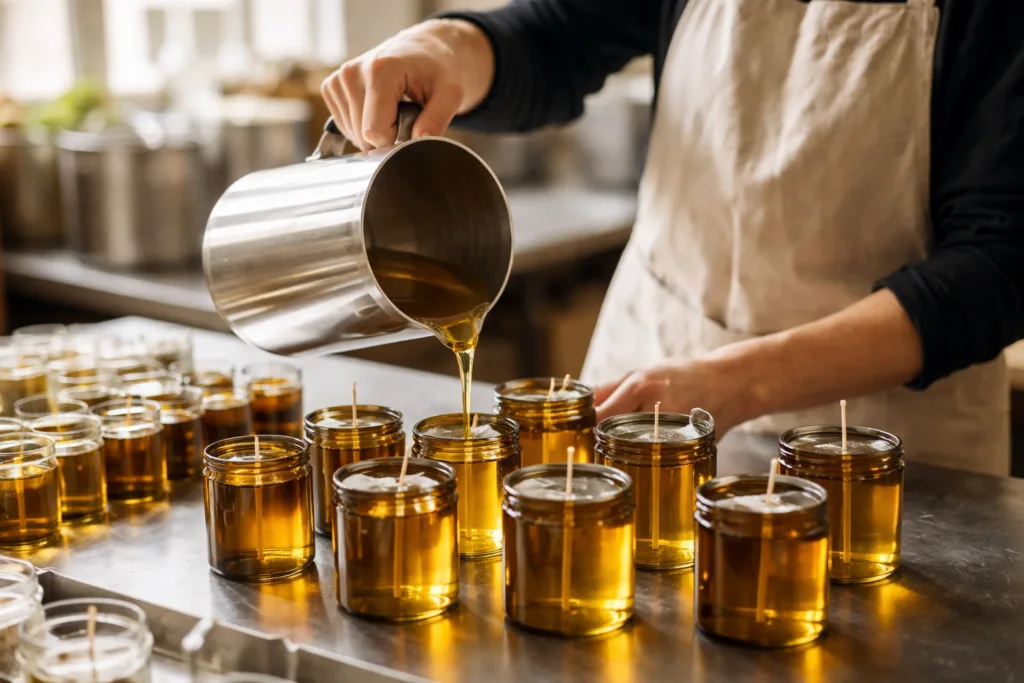
For artisanal or boutique requests, many candle makers turn to hand-poured production. This allows for flexible MOQ—sometimes as low as 50–100 candles per fragrance. However, even hand-pouring faces realities: glass jars, boxes, and labels are only economical above certain thresholds. For genuine ‘low MOQ’ projects, expect some compromise in vessel customization or packaging embellishments.
How Hand-Poured Batches Work
- Small-batch melting and blending (5–20kg per fragrance)
- Manual vessel preparation and wick-setting
- Hand-pouring under controlled conditions
- Allowing for proper cooling and curing (5–14 days)
- Labeling and inspection individually
Budget vs. MOQ: Starting From $2,000
It’s possible to launch a custom-branded candle line with a start-up budget as low as $2,000, but clear planning is essential. Here’s what such a budget gets you:
- Standard vessels from factory inventory rather than deep customization
- Generic boxes with sticker labeling instead of offset print or foil
- Private-label fragrances selected from house stock (custom scent development often needs larger batch)
- Hand assembly rather than fully automated filling and boxing
Circe Home and similar manufacturers consult on efficient launch bundles, balancing MOQs against signature scent, wax blend, and packaging aspirations. Getting transparent cost-per-unit quotes helps avoid surprises and set realistic retail pricing.
Budget Options Snapshot
| Budget Tier | No. of Candles | Customization | Unit Cost Estimate |
|---|---|---|---|
| $2,000–$4,000 | 200–400 | Choose vessel/wax from stock | $5.50–$10 |
| $5,000+ | 800–1,200 | Custom glass + print box | $4–$7 |
How to Start a Custom Candle Brand on a Tight Budget
For entrepreneurs with limited funds, strategic choices can sidestep the steepest MOQ pitfalls:
Steps to Minimize Upfront MOQ Spend
- Pick ready-to-order vessels and wax blends from manufacturer stock
- Start with standard colorways and glass jar sizes (8oz, 6oz)
- Select one or two house fragrances to avoid custom fragrance MOQ
- Use simple boxes with branded stickers for packaging
- Collaborate with the factory on batch scheduling to align with larger production runs
- Focus marketing on limited-edition or pre-sale model to ensure sell-through
Essential Quality Control Checks for Small Batches
- Verify fragrance dispersion and burn profile with test burns
- Inspect for vessel uniformity, label adhesion, and wick centering
- Confirm compliance: IFRA certificates, CLP labeling, and safety info
Custom Candle MOQ Explained: What You Really Need to Order
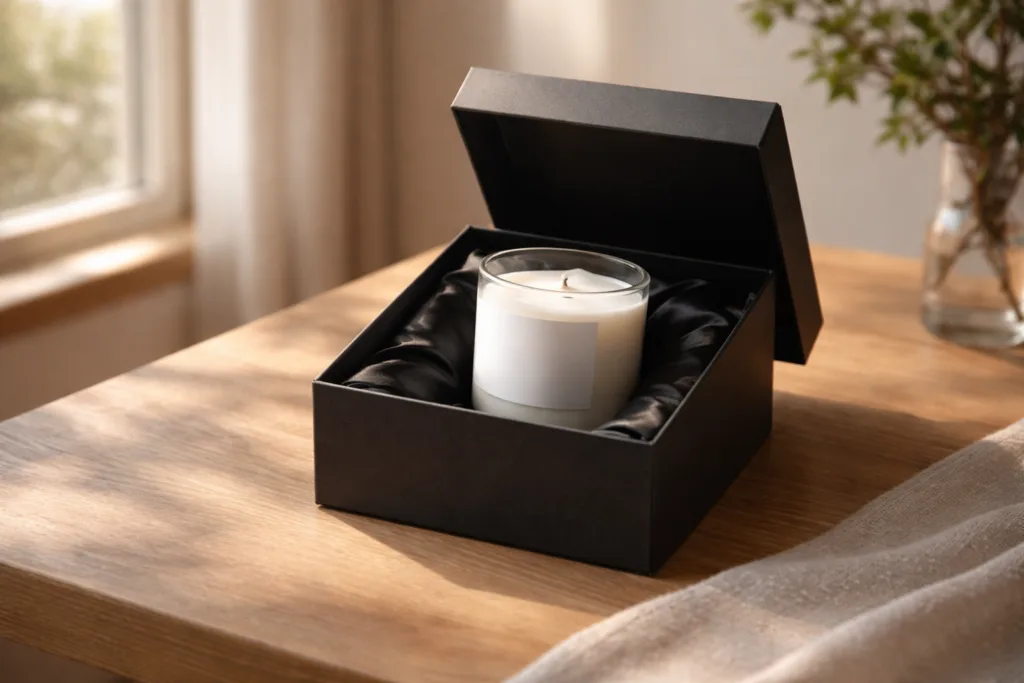
To summarize, a custom candle project’s MOQ rests on the interplay of material purchasing conventions, manufacturing workflow, and your creative ambitions. Larger MOQs (1,000pcs+) unlock full branding, packaging, and scent customization, while low MOQ hand-poured batches require prioritizing simple vessels and house scents. Circe Home, backed by wax and fragrance expertise, helps brands decipher the optimal entry point—balancing budget, scale, and long-term vision.
Frequently Asked Questions
What is the typical MOQ for custom candles with branded packaging?
Most manufacturers require a minimum of 1,000pcs per vessel and printed box design due to supply chain efficiency and printing setup costs.
Can I order custom candles with a low MOQ?
Yes, but low MOQ options mean limited customization—standard vessels, simpler packaging, and house fragrances. Hand-poured batches may allow for 50–200 units.
Why do vessels and boxes have higher MOQs than wax or fragrance?
Because glass, ceramics, and boxes are shipped or printed in bulk, with pallet and setup costs that make small quantities uneconomical.
What are the risks of producing below recommended MOQs?
You’ll face higher per-unit costs, increased risk of quality defects, and compliance testing challenges; some suppliers may refuse small orders entirely.
How can I launch a candle brand with a $2,000 budget?
Opt for standard vessels, basic packaging, and ready-made scents. Focus on limited runs and creative pre-sale or sampling campaigns to build traction.
What does Circe Home offer for low MOQ custom candle projects?
Circe Home consults on best-fit vessels, fragrance selection, and packaging, guiding small-scale launches with clear pricing and compliance support.