
Understanding OEM Candle Manufacturing
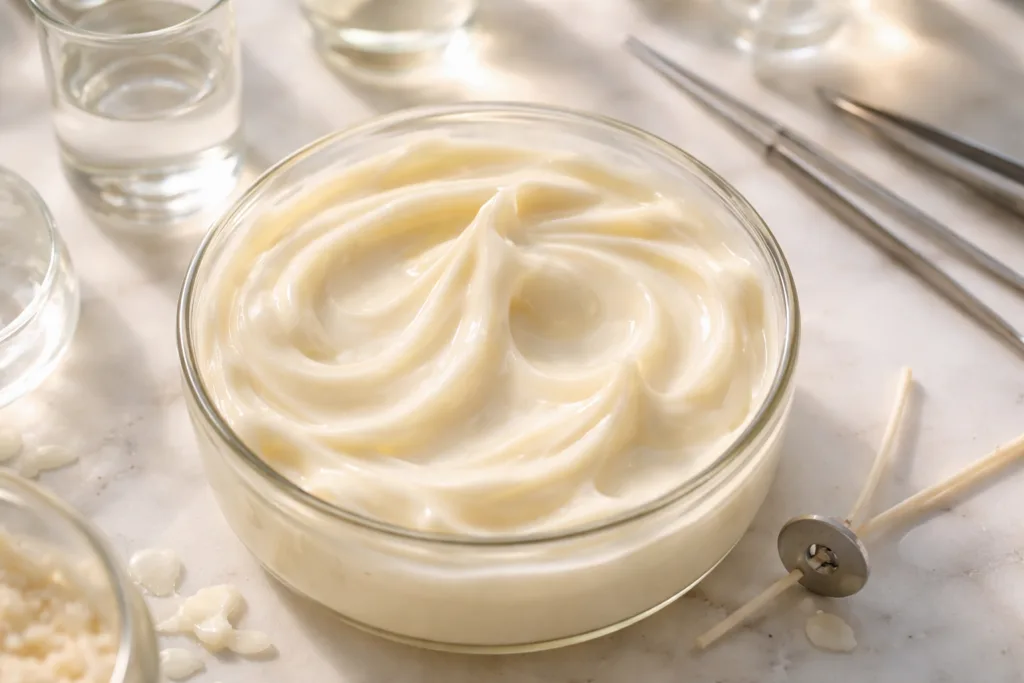
OEM (Original Equipment Manufacturer) candle production refers to outsourcing the physical manufacturing and often formulation of candles—allowing founders to focus on branding, fragrance curation, and customer experience. With the right OEM partnership, entrepreneurs tap into high-tech blending, quality control labs, and regulatory experts, unlocking premium results without investing millions in infrastructure.
OEM vs. ODM: What’s the Difference?
OEM manufacturing precisely follows your custom specifications for wax, fragrance, vessel, and design. ODM (Original Design Manufacturer) offers turnkey solutions based on the supplier’s template, suitable for rapid launches. Both serve private-label brands, but OEM empowers full customization—from signature fragrance profiles to proprietary packaging.
Why OEM for Candle Brands?
From low MOQs to fragrance compliance expertise, OEM manufacturing streamlines the journey from sketchbook to retail shelves. It’s ideal for founders prioritizing fragrance integrity, consistent burn profiles, and luxury presentation across batches.
Choosing the Right Candle Wax Blend
Candle wax defines burn quality, scent throw, and brand image. OEMs offer zone-refined waxes in soy, coconut, rapeseed, beeswax, paraffin, and custom blends tailored to aroma dispersion and clean burn.
Wax Types and Performance
| Wax Type | Scent Throw | Burn Time (200g) | Visual Finish | Eco Rating |
|---|---|---|---|---|
| Soy | Strong (high fragrance load) | 35–40 hrs | Creamy; may frost | Excellent |
| Coconut | Subtle, gentle diffusion | 37–45 hrs | Glossy, smooth | Outstanding |
| Rapeseed | Medium; good cold throw | 38–42 hrs | Opaque; minimal frosting | Excellent |
| Beeswax | Natural, delicate scent | 45–50 hrs | Yellow/golden | Excellent |
| Paraffin | Exceptional; sharp details | 42–47 hrs | No frosting | Low |
Factors to Consider
- Melt point: Affects fragrance release and container compatibility.
- Clean burn: Premium blends minimize soot and residue.
- Fragrance retention: Select waxes for maximum absorption and sustained throw.
- Visual appearance: Frosting, clarity, and color impact perceived quality.
Developing Signature Fragrance Profiles
Creating your own candle brand is inseparable from fragrance innovation. OEMs like Circe Home provide custom fragrance development—combining advanced perfumery, IFRA compliance, and precise blending for high-impact candles.
Fragrance Oil vs. Essential Oil
Synthetic fragrance oils offer complex, durable scents and higher compatibility with wax. Essential oils are all-natural, preferred for wellness lines but capped on fragrance load due to volatility and safety.
Optimizing Scent Throw
- Assess intended use: spa, home, retail, gifting.
- Select wax for desired cold and hot throw dynamics.
- Test max fragrance load—most premium blends allow 8-10% by weight.
- Factor in curing time (typically 14–21 days for peak performance).
- Ensure allergen declaration and IFRA compliance.
Circe Home Lab Insight
“We blend custom fragrances with up to 10% payload in specialty waxes, optimizing curing time for robust cold and hot throw without compromising clean burn.”
Selecting Candle Wicks for Clean Burn
Wick design is crucial for scent diffusion, burn profile, and visual cleanliness. OEM suppliers provide rigorous wick selection tools, engineering performance for each vessel diameter and wax blend.
Types of Wicks
- Cotton: Classic clean burn, available in flat, braided, and core styles.
- Wood: Modern crackle, horizontal flame, enhanced aesthetic.
- Paper-core: Stability for heavier waxes and wider containers.
Wick Sizing Principles
Correct wick sizing prevents mushrooming, tunneling, and excessive soot. OEMs reference vessel diameter, wax viscosity, and fragrance load to calculate ideal wick diameter.
Designing Containers and Labels
Form meets function in candle vessel design. Your OEM partner offers glass, tin, ceramic, concrete, and custom formats, optimizing for safety, luxury appeal, and fragrance protection.
Container Options
- Glass jars—translucent, colored, or frosted, often with foil caps or wooden lids.
- Metal tins—portable, durable, suitable for wellness or travel lines.
- Ceramic/concrete—high-end, tactile, supports refill programs.
Label & Packaging Choices
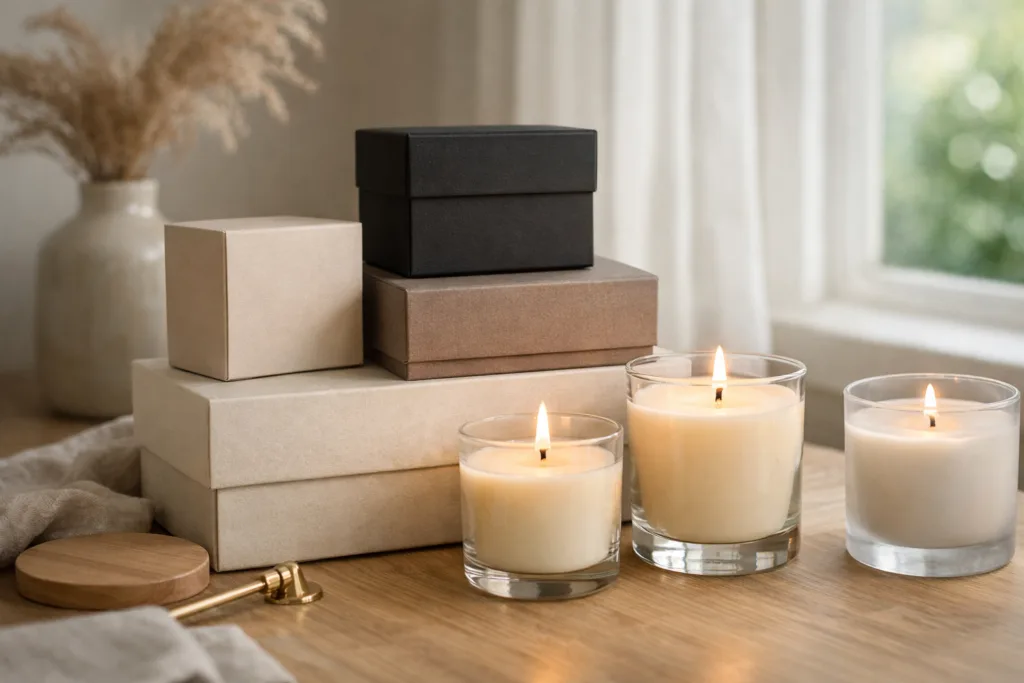
Luxury candle brands rely on premium label stocks, embossing, soy ink, and FSC-certified outers for a refined, eco-friendly unboxing experience. Circe Home engineers containers and packaging to elevate branding across scent collections.
Quality Control and Safety Testing
Quality assurance is non-negotiable. Leading candle OEMs apply robust burn tests, fragrance dispersion checks, and compliance protocols aligned with IFRA, CLP, and global safety standards.
QC Checkpoints
- Wick centering tolerance: critical for symmetrical burn.
- Soot index: measured burn for visible residue.
- Fragrance dispersion: cold vs. hot throw evaluations.
- Burn time minimum: typically >35 hrs for 200g candles.
- CLP & IFRA documentation: allergen, hazard, and safety labeling.
Ensuring Batch Consistency
OEMs rely on digital dosing, real-time mixing, and post-cure audits to guarantee repeatable results for each production lot.
Production Process: From Lab to Luxury Candle
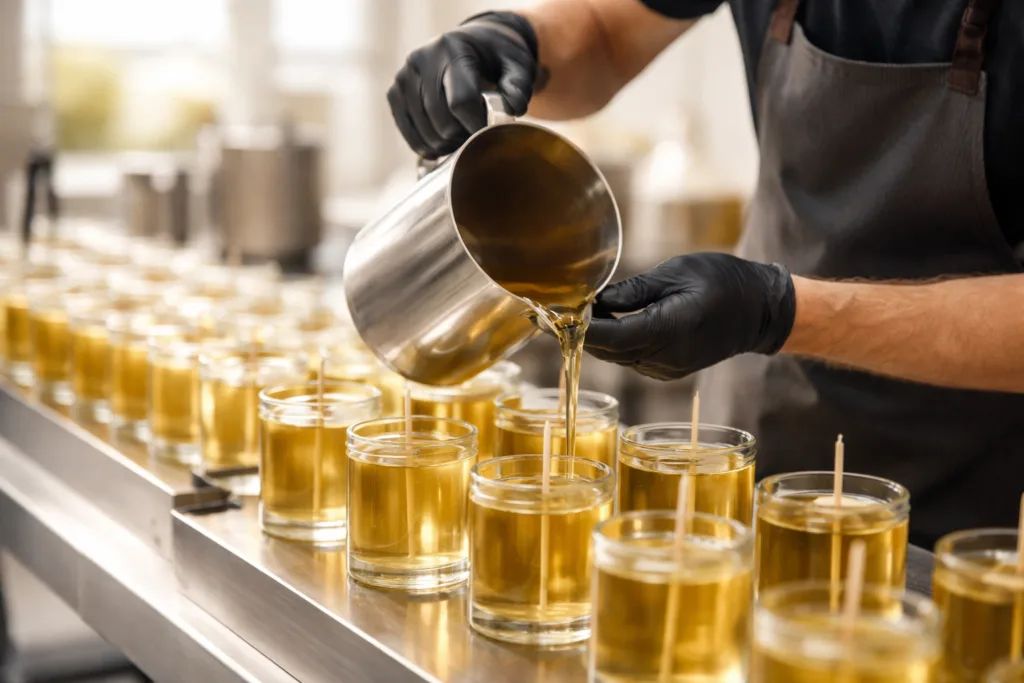
The journey from raw ingredient to finished candle is orchestrated for precision and scalability. Here’s how premium candle brands work with OEMs:
- Pre-pour prep: vessel cleaning, wick assembly, and station calibration.
- Wax melting and blending: stagewise mixing for uniform payload and color.
- Pouring: controlled fill rates, minimizing bubbles and separation.
- Cooling and curing: gradual temperature reduction for scent lock-in.
- Topping and boxing: surface smoothing, final inspection, secure packing.
MOQ & Customization
Minimum Order Quantities (MOQs) vary by wax and vessel—expect 500–2,000 units for exclusive blends and fully custom designs. OEMs balance flexibility (unique fragrances, bespoke packaging) with production efficiency.
Applications and Use Scenarios
OEM candle manufacturing paves the way for diverse brand identities. From luxury gifting to minimalist home décor, wellness blends, spa/hotel programs, and private-label retail collections—an OEM-supported brand adapts to multiple verticals with consistent quality and customization.
Brand Positioning Examples
- Spa/Hotel lines: Subtle, allergen-free scents in refined, refillable vessels.
- Luxury gifting: High fragrance load, FSC packaging, hand-numbered editions.
- Wellness: Essential oil compatibility, eco containers, compostable packaging.
- Private-label retail: Standout vessel shapes, exclusive scent blends, robust compliance labeling.
Ensuring Compliance & Sustainability
Top OEMs guide brands across IFRA 51st amendment, CLP (EU), eco-packaging, and sustainability protocols. Candle production increasingly emphasizes responsible sourcing—soy inks, FSC cartons, recycled glass, and optional refill/compostable formats are standard for luxury lines.
Circe Home Manufacturing Values
“Refined scent experience, premium wax formulas, clean burn, elegant packaging, and responsible production are the pillars of our OEM process.”
Key Sustainability Strategies
- Use eco-certified materials: wax, ink, cartons.
- Offer refill programs or minimal packaging.
- Provide full allergen & regulatory documents for global distribution.
Frequently Asked Questions
What is OEM candle manufacturing?
OEM candle manufacturing means outsourcing production to a specialized supplier who follows your custom specifications for wax, fragrance, vessel, and branding, ensuring premium quality and compliance.
What wax blend should I choose for my candle brand?
Wax blend selection depends on fragrance load, burn profile, eco goals, and visual finish. Soy, coconut, rapeseed, and beeswax are popular for luxury brands; paraffin for sharp scent throw.
How do I create a custom fragrance for my candles?
Work with your OEM’s fragrance lab to develop a signature blend, balancing essential and fragrance oils, optimizing load percentages for cold and hot throw, and ensuring safety compliance.
Why does wick sizing matter in candle manufacturing?
Correct wick sizing prevents tunneling, soot, and poor fragrance diffusion. It’s calculated based on vessel diameter, wax viscosity, and fragrance load for each candle style.
What compliance steps are needed for a luxury candle brand?
Candle brands require IFRA-compliant fragrance formulas, CLP labeling for EU, allergen declaration, safety warnings, burn tests, and eco-material documentation for responsible sourcing.
Can OEM suppliers help with packaging and branding?
Yes, premium OEMs offer full-service packaging design, label options, scent naming, and custom outer box formats to create a cohesive luxury brand with global market appeal.