
Understanding How Machine Startup Costs Affect Candle MOQ (Factory Insider Guide)
Candle MOQ—minimum order quantity—can feel mysterious to buyers. In reality, this figure is firmly anchored in the economics of machine startup costs. Especially in luxury candle production, every pour, blend, and box reflects choices made on the factory floor. This guide reveals how machine setup, batch processing, and automation expenses directly set MOQ thresholds, shaping both the possibilities and limitations candle brands encounter when customizing or scaling their offerings.
The Foundations: What Are Machine Startup Costs in Candle Production?
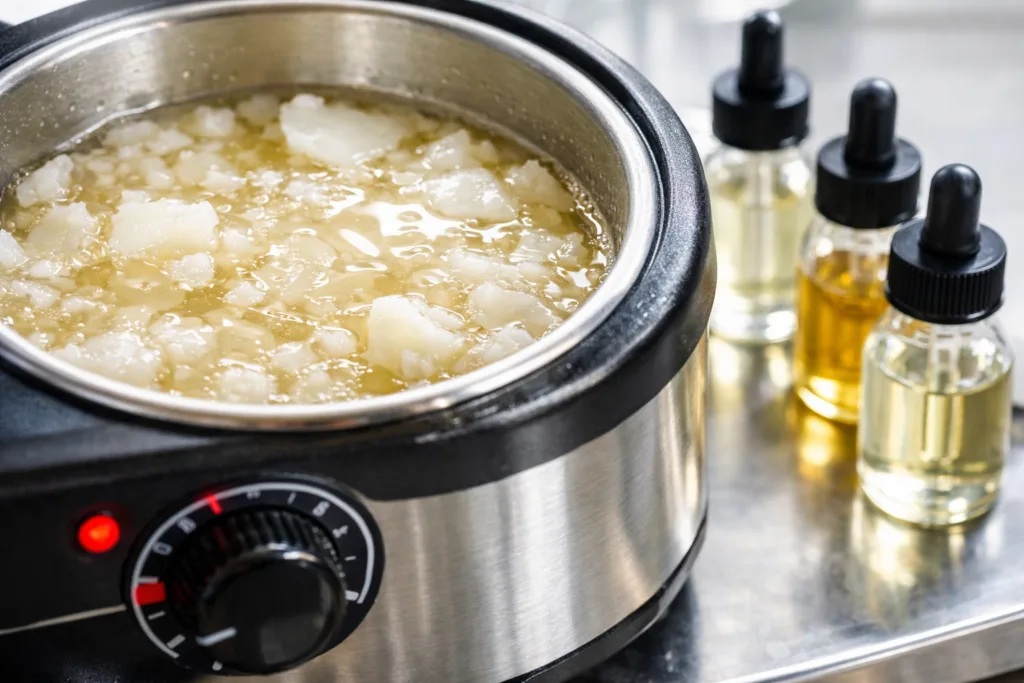
Machine startup costs encompass all expenditures required to transition equipment and labor from idle to full operation. In a factory like Circe Home, this spans the preparatory steps before candle pouring begins, from wax melter heating to fragrance system calibration and container alignment. These costs are distinct: they’re incurred equally whether making 100 or 10,000 units, and thus, larger batches dilute per-candle setup expense. The scale and complexity of candle lines—such as automated pouring machines, robotic wicking, or custom labeling—are major influences on this calculation.
Key Machine Startup Cost Elements
- Wax Melter Preheating: Time and energy to reach optimal melt point for soy, coconut, rapeseed, or beeswax blends.
- Fragrance System Flushing: Ensures no cross-contamination between scent batches (critical for signature blends).
- Wick Machine Adjustment: Sizing for each vessel diameter and wax type; impacts burn profile quality.
- QC & Safety Protocols: Machine sampling, test burns, IFRA/CLP documentation setup.
- Labor Prep: Line operators, chemists, and packers prepping materials and calibrating automation.
Why Does Candle MOQ Depend on Machine Startup Costs?
MOQ isn’t just a manufacturing hurdle—it’s a signpost reflecting the real costs of precision production. When a scented candle order is placed, factories like Circe Home must calculate if the order size justifies the operational overhead. Pouring a half-filled wax tank or interrupting automation workflows increases wastage and cost per unit. Thus, candle MOQ is determined to balance efficient resource use with economic feasibility. Highly customized candles—uncommon containers, specialty fragrances, or multi-step packaging—often require even higher MOQs due to additional configuration work per batch.
Areas Where Startup Costs Directly Set MOQ
- Custom Fragrance Development: Small runs still require full fragrance system cleaning and test batch formulation.
- Specialized Packaging: Unique embossing, foil stamping, or color-matching involve custom die setup and line retooling.
- Wax Blending Complexity: Each new formulation (soy/coconut/beeswax blends) needs separate melt and QA cycles.
Inside the Candle Production Line: Step-by-Step Breakdown
Understanding how each phase impacts MOQ yields actionable insight for buyers and designers. Here’s a closer look at each critical production stage and its relation to setup costs:
- Raw Material Prep: Sourcing premium soy/coconut/rapeseed waxes, fragrance oils, and custom wicks. Low-volume custom sourcing increases per-unit price.
- Wax Melting & Blending: Achieve precise melt temps (soy: ~170°F, coconut: ~120°F) and load precise fragrance percentages (typical load: 6–12%). Dedicated cleaning required between blends to prevent unwanted scent overlap.
- Wicking & Container Setup: Align wicks per vessel specification (cotton, wood, etc.), accounting for shape and wax blend for even, soot-free burn. Setup takes time, regardless of order size.
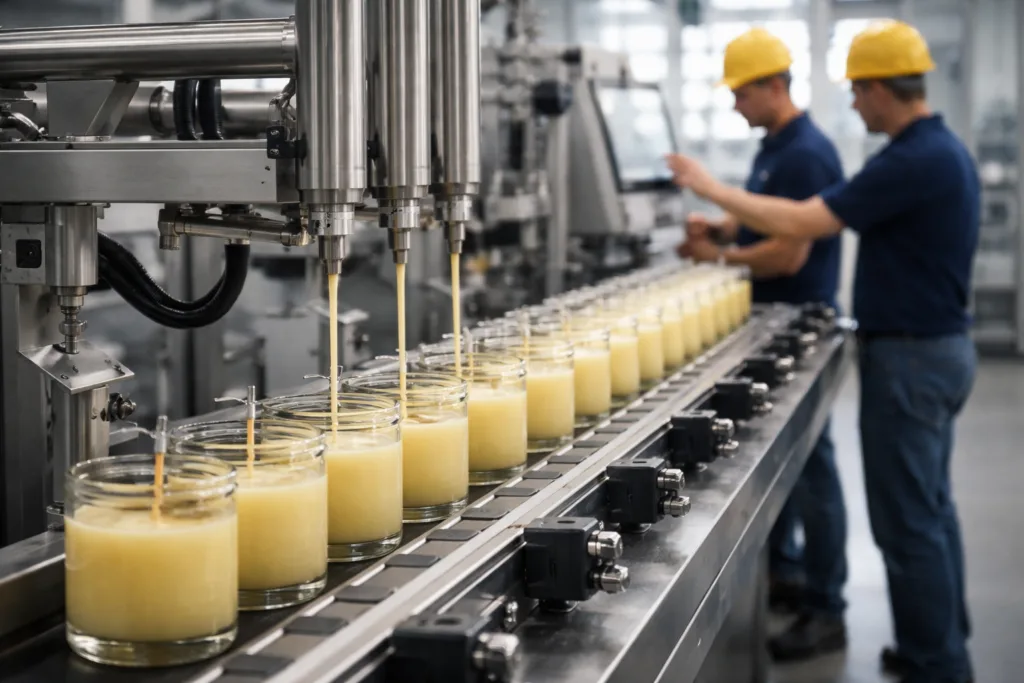
- Pouring & Cooling: Automated or semi-automated methods dispense wax into prepped vessels. Initial tuning takes batches to stabilize temperature and flow.
- Curing & Quality Checks: Candles cured for 3–7 days (longer for essential oil formulas) to lock in scent and ensure optimal burn. Test burns, visual inspection, and centering checks are carried out on every batch.
- Labeling & Boxing: Custom sleeve/box lines may require machine recalibration for different dimensions or substrate thickness.
Table: How Wax Blends and Scent Impact Startup & MOQ
| Wax Blend | Scent Load Cap (%) | Primary Startup Cost Factor | Impact on MOQ |
|---|---|---|---|
| Soy Wax | 8–10 | Melter preheat, blend flushing | Medium |
| Coconut Soy | 10–12 | Low flash point demands slower prep | Higher |
| Beeswax | 7–8 | High temp melt, fragrance incompatibility checks | High |
| Paraffin | 9–12 | Quick setup, consistent flow | Low |
Case Study: Circe Home’s Startup Cost Allocation for Candle MOQ
Take Circe Home’s recent private-label launch for a premium hotel chain. The designer specified custom ceramic vessels, a proprietary floral-musk perfume, and bespoke silk-screened packaging. Before pouring a single candle, the following non-negotiable startup costs were incurred:
- Preheating dual-jacketed melters for soy-coconut blend (energy + time)
- Full fragrance system purge and scent oil QA (prevents cross-batch contamination)
- Dedicated wick core sizing for irregular vessel diameter
- Initial batch curing to test cold/hot throw, ensure no scent fade or tunneling
- New packaging line calibration (ink adhesion, foil embossing check)
Circe Home Lab Insight: “Each custom run requires process stability and repeatable quality. Even for micro-MOQ batches, testing for soot index and scent integrity means startup costs are substantial.”
Strategies to Optimize MOQ for Your Candle Brand
While machine startup costs set MOQ boundaries, smart choices help brands secure reasonable minimums—and maximize budget. Consider these approaches when briefing your manufacturer:
- Standardize Vessels: Select from factory-stocked containers to avoid new machine calibration.
- Modest Fragrance Customization: Use established base notes, tweak accent oils, or choose from in-house palettes.
- Batch Multiple Scents Together: If possible, combine similar scent runs to share fragrance system prep.
- Leverage Off-the-Shelf Packaging: Get custom branding using existing die cuts and material stocks.
- Negotiate Seasonal MOQ Specials: Some factories offer lower MOQ in off-peak months to keep lines running.
Quality Assurance: Why Low MOQs Still Require Full Testing
Regardless of batch size, authoritative manufacturers execute complete QA protocols. Each candle line’s burn profile is validated against benchmark standards. Parameters like wick straightness (≤2 mm deviation), burn time (≥35 hours for most 200g jars), and scent dispersion are meticulously recorded. Fragrance load, curing time, and compliance to IFRA/CLP rulebooks (now in its 51st amendment for IFRA) aren’t skipped for small runs; safety, performance, and regulatory requirements demand that each batch meet the same QC routines, further necessitating a higher MOQ to distribute those fixed testing costs.
Compliance and Sustainability: Their Role in Setting Candle MOQ
Modern luxury candle buyers increasingly require sustainability, eco-friendly ink, and FSC-certified cartons—even for small batches. However, each compliance process (e.g., CLP labeling for EU, allergen declarations, child safety labeling, and IFRA 51st review for scent safety) introduces unique setup and admin overhead. For bespoke or low-quantity orders, these fixed costs can outpace the actual product price per unit. Some manufacturers, like Circe Home, offer innovative solutions such as refill programs or modular vessel designs to partially reduce these one-time expenses and lower MOQ over time.
Choosing the Right Manufacturer for Your MOQ Needs
Finding a factory attuned to both machine efficiency and creativity is essential. Seek partners that:
- Maintain a broad library of tested wax blends and stock containers
- Have on-site fragrance development studios (shorter setup timelines)
- Prioritize clean burn R&D and packaging sustainability
- Support detailed QC documentation and traceability
When requesting quotations, clarify your flexibility on vessels, scents, and packaging. Greater standardization typically reduces startup costs—and therefore MOQ—while highly bespoke projects command higher minimums due to deeper customization and compliance validation. For boutique brands, building a relationship with the factory often unlocks creative solutions to achieve ambitious design goals at manageable volumes.
How Machine Startup Costs Affect Candle MOQ (Factory Insider Guide)
As seen from the inside, candle MOQ is never an arbitrary figure. It’s the visible tip of a complex cost structure guided by machine startup protocols—including labor, energy, safety, compliance, and scent science. Understanding this linkage not only empowers buyers to design smarter, more feasible products but also builds real partnership with their chosen manufacturer. Whether you’re scaling a lifestyle candle line or fine-tuning fragrances for minimalist wellness blends, harnessing factory insights on startup costs transforms MOQ from a barrier into a building block for candle brand success.
Frequently Asked Questions
Why do luxury candle manufacturers set higher MOQ for custom scents?
Custom fragrance runs require full cleaning and calibration of scent systems, as well as micro-batch test burning. These startup costs are fixed, so smaller orders must absorb a much greater per-candle setup expense, raising the MOQ threshold.
Can I lower my candle MOQ by choosing stock packaging and container designs?
Yes, selecting existing vessels and standard packaging significantly reduces setup requirements. This allows manufacturers to consolidate production runs, decreasing startup costs and making lower MOQ more feasible for buyers.
How do quality checks and compliance testing add to candle MOQ?
Every batch, regardless of size, undergoes the same stringent quality and compliance checks—including burn tests, fragrance load analysis, and allergen documentation. Larger batches distribute these fixed costs across more units, supporting a lower per-candle price. Small orders amplify these fixed costs, increasing MOQ.
Are startup costs for machine operation different between soy, coconut, and beeswax candles?
Yes, each wax blend brings unique setup demands. Beeswax, for instance, needs higher melt temperatures and longer prep to prevent fragrance incompatibility, while coconut blends require careful handling due to low flash points—all impacting machine configuration time and minimum batch size.
What’s the typical curing time for scented candles, and does it affect MOQ?
Most candles cure for 3–7 days to stabilize scent and wax structure. Custom or heavily fragranced blends may require longer. The need for dedicated curing space and extended QC in small runs adds indirect cost, sometimes influencing MOQ requirements.
How can new candle brands negotiate better MOQ without sacrificing quality?
Brands can align with manufacturers by choosing in-stock options, bundling similar scents, or accepting multi-label runs. Clear communication about flexibility in design and scheduling also enables factories to optimize machine usage, benefiting both sides.