
🧠 Introduction: Aromatherapy, Candles & the Sleep Market
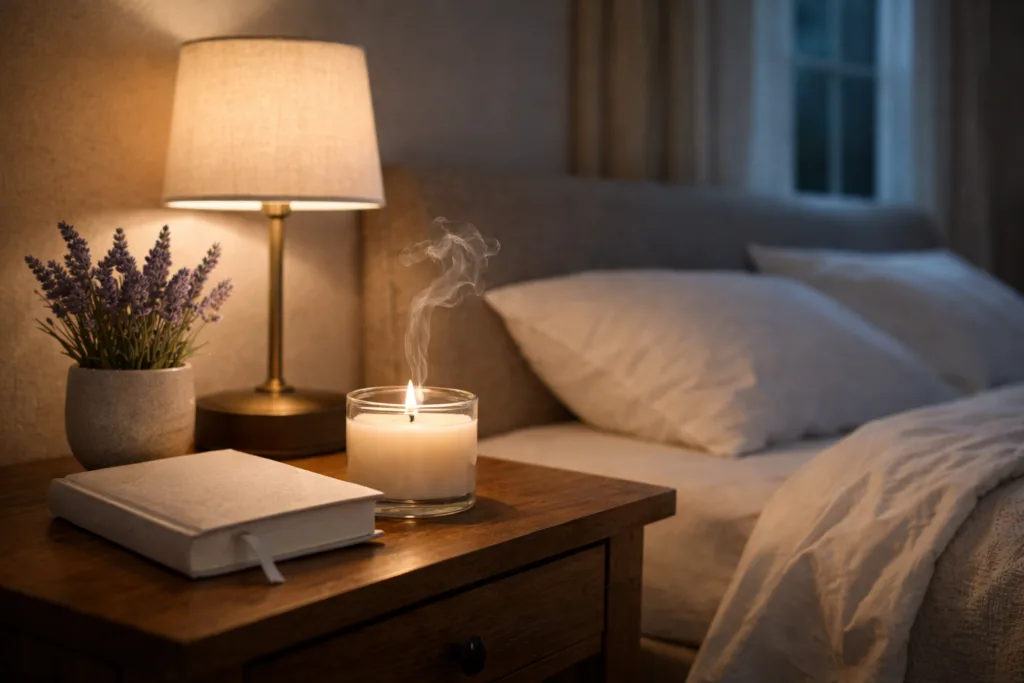 In recent years, aromatherapy candles have surged in popularity as a sleep aid. Shelf displays at major stores are filled with claims like “relaxing lavender,” “sleep-enhancing scents,” and “natural stress relief.” But how much of this is grounded in science, and how much is clever marketing?
This article digs into what scientific research actually says about aromatherapy candles and sleep, distinguishing evidence-based insights from marketing hype. We’ll explore how scent works in the brain, what specific aromas have been studied, and whether lighting a candle before bed genuinely improves sleep quality or simply creates a comforting bedtime ritual.
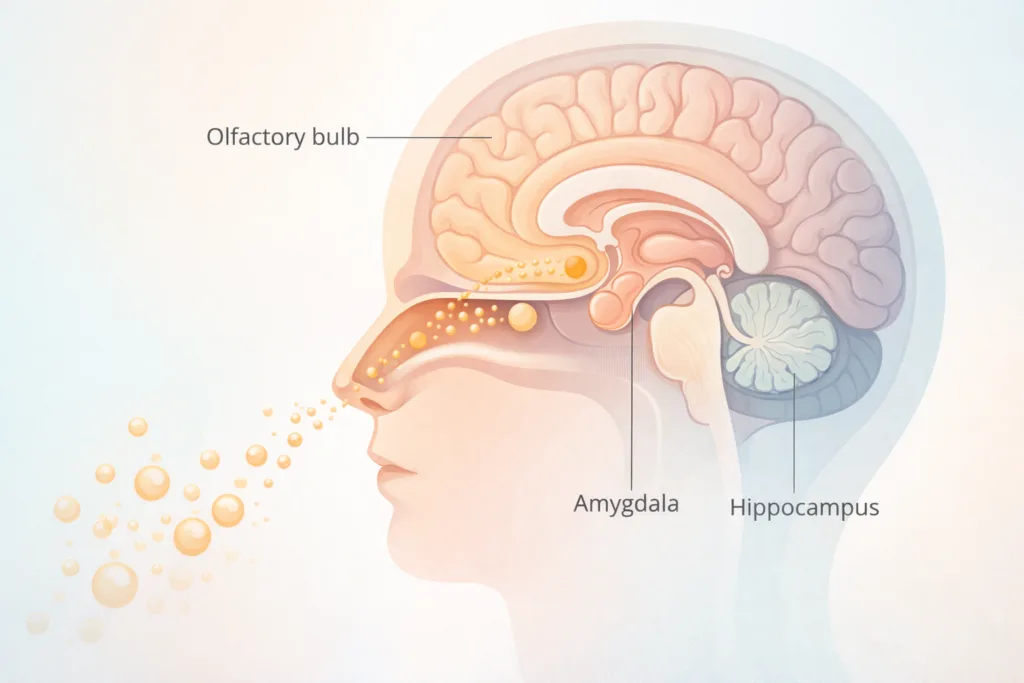
Sleep is a complex biological and psychological process involving circadian rhythms, hormones like melatonin, and brain networks responsible for arousal and relaxation. Aromatherapy interacts with the olfactory system—our sense of smell—which has direct connections to areas of the brain involved in emotion and memory. Because of this, scent can influence mood and relaxation, but its direct impact on sleep physiology is often overstated.
📜 History of Aromatic Sleep Aids
Ancient Practices
Humans have used aromatic plants for thousands of years to influence mood, health, and sleep. Ancient Chinese, Indian (Ayurvedic), Egyptian, and Greek civilizations burned herbs, resins, and flowers during evening rituals. These practices blended spirituality, medicine, and cultural belief systems rather than controlled science.
Lavender, for example, was valued by ancient Romans for bathing and calming effects. While historical use does not equal scientific proof, it shows a long-standing association between scent and relaxation.
From Herbs to Candles
The evolution from burning plants to scented candles followed advances in candle-making. Early candles were made from tallow and beeswax, while modern candles use refined waxes and concentrated fragrance oils. As essential oils became more commercially available, they were incorporated into candles and marketed as lifestyle and wellness products.
💤 How Sleep Works: A Scientific Overview
 Circadian Rhythms
 Circadian Rhythms
Sleep is governed by the circadian rhythm—an internal 24-hour clock influenced primarily by light exposure. Darkness triggers melatonin release, signaling the body to prepare for rest, while morning light suppresses melatonin and increases alertness.
Environmental factors like light, noise, and routine strongly influence this rhythm. Scent plays a more indirect role, affecting emotional state rather than circadian timing.
Neurochemicals Involved in Sleep
Several brain chemicals regulate sleep:
- GABA: reduces neural activity and promotes relaxation
- Adenosine: builds sleep pressure during waking hours
- Serotonin: supports mood regulation and melatonin production
Aromatherapy does not directly alter these chemicals, but may help create conditions that support relaxation.
🌿 What Aromatherapy Really Is
Essential Oils vs. Synthetic Fragrances
True aromatherapy relies on essential oils—volatile compounds extracted from plants. These oils contain complex chemical profiles. Synthetic fragrances may smell similar but are chemically simpler and often created for scent strength rather than therapeutic intent.
How Scents Interact with the Brain
Inhaled scent molecules stimulate olfactory receptors that send signals directly to emotional and memory centers in the brain. This pathway explains why scents can trigger calmness, nostalgia, or alertness almost instantly. However, emotional response does not automatically translate to measurable improvements in sleep architecture.
🕯️ How Candles Diffuse Aromas
The Chemistry of Fragrance Release
When a candle burns, heat melts the wax pool and releases fragrance molecules into the air. Wick size, wax type, room size, and airflow all influence how scent is distributed.
Candle Materials That Matter
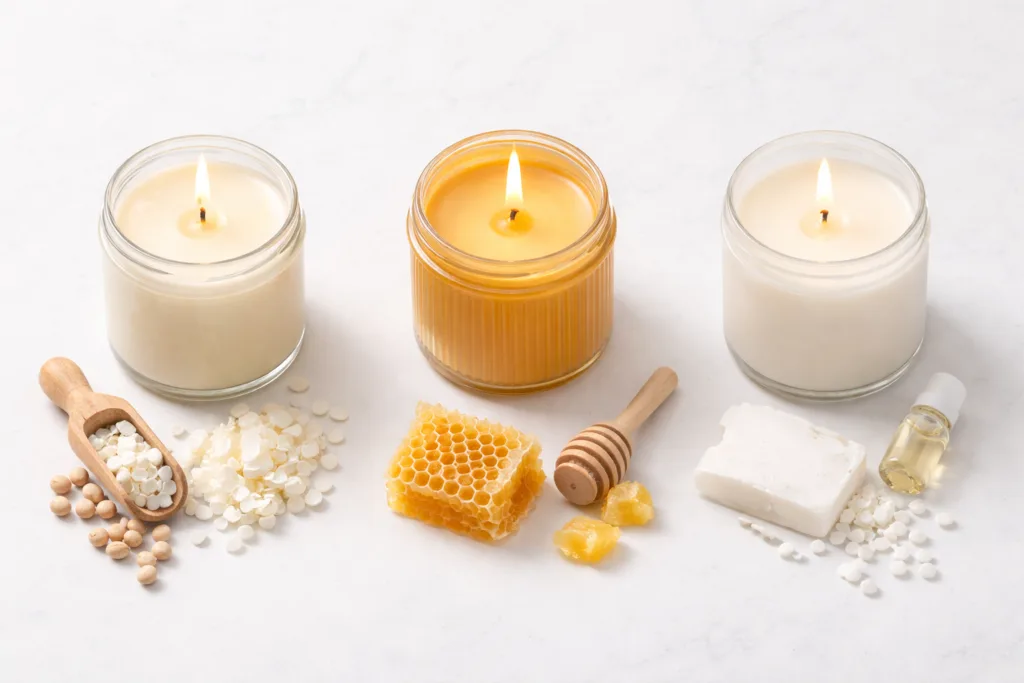
- Paraffin wax: strong scent throw but may release soot
- Soy wax: cleaner burn and popular in eco-friendly candles
- Beeswax: natural and long-lasting with subtle aroma
The quality of materials affects both safety and scent experience.
🔬 Evidence on Aromatherapy for Sleep
Lavender & Relaxation: What Studies Show
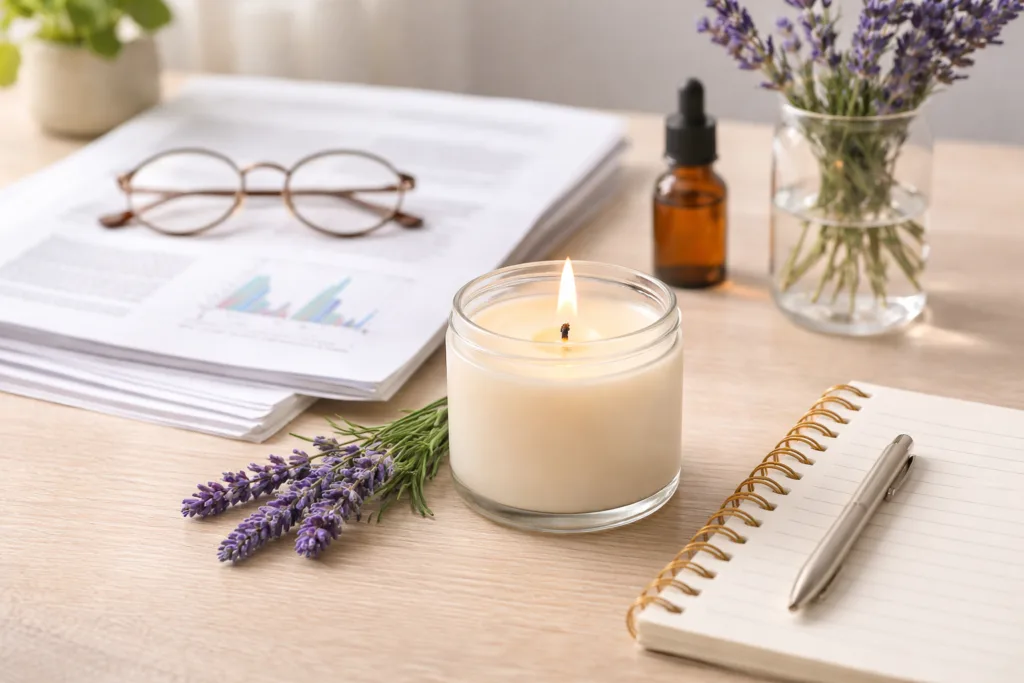 Lavender is the most studied scent in sleep research. Some small studies suggest lavender aroma may improve perceived sleep quality and reduce anxiety. Effects are usually mild and vary between individuals.
Other Scents Explained
Chamomile, bergamot, and sandalwood are traditionally associated with calmness. Scientific evidence is limited, and results often depend on personal preference and expectation.
🧠 The Role of Expectation and the Placebo Effect
Marketing vs. Reality
Belief plays a powerful role. If a person expects a candle to help them sleep, relaxation may follow regardless of the scent’s chemical properties.
Sleep Ritual Psychology
Consistent bedtime rituals—dimming lights, calming scents, quiet activities—condition the brain to prepare for sleep. The ritual itself may be more influential than the candle.
⚠️ Safety Considerations
Indoor Air Quality
Burning candles can release particulate matter and volatile compounds. Poor-quality candles used frequently may affect indoor air quality.
Choosing Safer Candles
Look for:
- Natural waxes (soy, beeswax)
- Cotton or wooden wicks
- Transparent ingredient lists
🌿 Alternatives to Candles
Diffusers
Ultrasonic diffusers release essential oils without combustion, avoiding soot and flame risks.
Non-Burn Options
Pillow sprays, aroma stones, and inhalation patches provide scent without burning wax.
🛌 Aromatherapy vs. Sleep Hygiene
Evidence-Based Sleep Habits
Strong sleep science supports:
- Consistent sleep schedules
- Reduced blue-light exposure
- Cool, dark bedrooms
When Aromatherapy Helps
Aromatherapy may support relaxation when combined with good sleep hygiene—not as a replacement.
🕯️ Using Aromatherapy Candles Safely
- Burn candles earlier in the evening
- Never leave unattended
- Ventilate rooms after use
🛠️ DIY Aromatherapy Candle Tips
Use low essential-oil concentrations, trim wicks, and store candles away from heat and light.
❌ Myths vs. Facts
Myth: Aromatherapy cures insomnia
Fact: No strong evidence supports this claim
Myth: Stronger scent works better
Fact: Overpowering scent can disrupt relaxation
🧠 Final Thoughts
Aromatherapy candles can enhance relaxation for some individuals, mainly through mood and ritual. Scientific evidence supports modest effects, not dramatic sleep improvements. Good sleep habits remain the foundation of healthy rest.
❓ Frequently Asked Questions
Do aromatherapy candles help sleep?
They may support relaxation but effects are usually mild.
Is lavender best for sleep?
Lavender has the strongest research support, though results vary.
Are natural candles safer?
Generally yes, especially soy or beeswax with clean wicks.
Can candles replace sleep medication?
No. They are not a medical treatment.
How often should I use them?
Occasionally, as part of a routine—not all night.
Are diffusers better than candles?
They avoid combustion and are often safer for frequent use.
📝 Conclusion
Aromatherapy candles can be comforting, but science suggests their biggest benefit is relaxation—not direct sleep improvement. Used thoughtfully, they can complement healthy sleep habits.