
How to Price Your Custom Candle Line for Retail
Launching a custom candle line requires mastery of not only scent and aesthetics, but also precise pricing strategy. Whether you’re introducing meticulously designed soy blends or elegant beeswax candles, the right retail pricing model directly determines your brand’s margin, positioning, and long-term success. This guide delivers in-depth insight into candle pricing strategy: retail candle pricing, the cost-plus margin approach, and how to set a competitive MSRP. We’ll also illustrate technical details regarding waxes, fragrance systems, and production cost structure—critical for luxury home fragrance brands and emerging private-label lines.
Understanding Candle Pricing Strategy
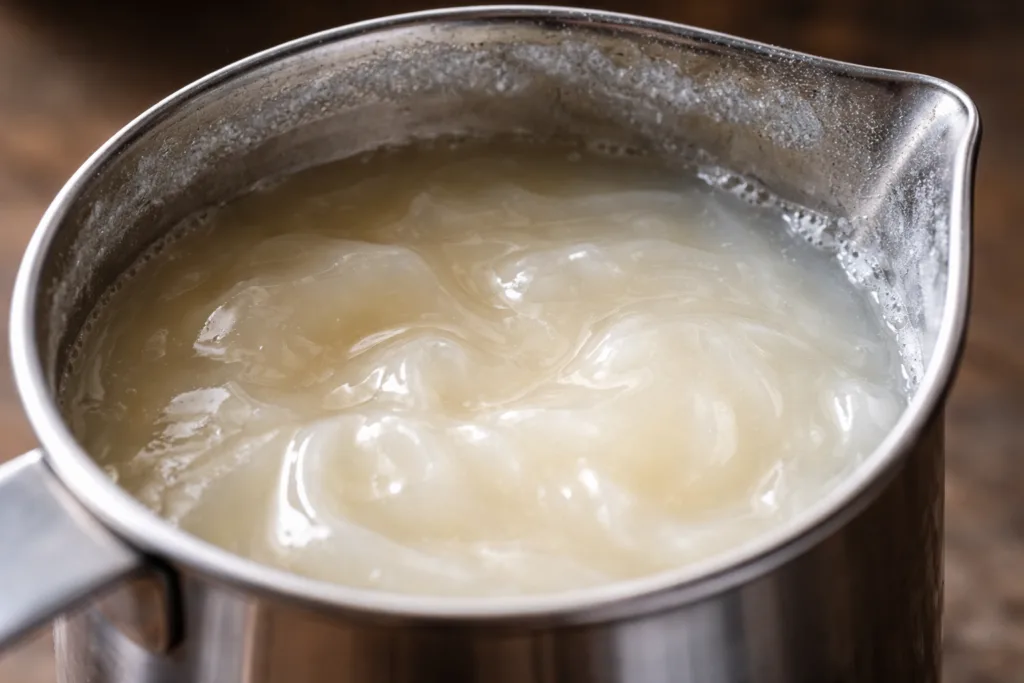
Effective candle pricing is a blend of art and analytics, reflecting true production costs and the emotional value perceived by customers. Cost+ margin models allow brands to set sustainable prices that ensure consistent profit while supporting responsible production and premium quality.
- Analyze direct manufacturing costs (wax, fragrance, wick, vessel)
- Factor indirect costs (packaging, QC, compliance, labor)
- Determine target margin based on market positioning
- Benchmark against competitors and retailer requirements
Circe Home, an OEM luxury manufacturer, exemplifies this approach, producing custom blends that satisfy both retail and wholesale cost structures without sacrificing the refined scent experience.
Breaking Down Candle Cost Structure
Transparent cost breakdown ensures your retail candle pricing is both realistic and competitive. Let’s detail the core elements influencing unit cost for each candle batch.
- Wax & Blend: Soy, coconut, rapeseed, and beeswax each offer distinctive burn profiles and scent compatibility. Premium blends often command higher costs due to fragrance load capacities and curing time requirements.
- Fragrance System: Essential and fragrance oils, IFRA compliance, allergen declarations, and cold/hot throw considerations impact both material expense and testing.
- Wick & Burn Profile: Selection (wood, cotton, paper-core) must match vessel diameter and wax blend, affecting both manufacturing cost and burn performance.
- Container & Packaging: Luxury glass, ceramics, coated tins, and sustainable boxes (e.g., FSC cartons) set the visual tone and retail shelf appeal.
- Quality & Compliance: Testing for burn time, soot index, wick centering, and regulatory labeling (IFRA, CLP) is non-negotiable, contributing to indirect costs.
| Wax Type | Material Cost (per kg) | Max Fragrance Load (%) | Average Burn Time (200g) | Visual Appearance |
|---|---|---|---|---|
| Soy wax | $3.50 | 8–10% | 40 hrs | Opaque, smooth, prone to frosting |
| Coconut wax | $4.80 | 10–12% | 38 hrs | Creamy, glossy, subtle oil bloom |
| Rapeseed wax | $3.90 | 7–9% | 39 hrs | Pale, smooth, eco-friendly |
| Beeswax | $8.50 | 3–5% | 41 hrs | Rich yellow, natural honey scent |
Retail vs. Wholesale Candle Pricing
Your custom candle pricing model should distinguish clearly between retail (direct to consumer, MSRP) and wholesale (bulk to retailers/distributors). Each tier operates with unique margin targets and minimum order quantities.
- Retail pricing (MSRP): Maximizes perceived value and supports branding (luxury packaging, custom blends, personalized service)
- Wholesale pricing: Prioritizes volume, streamlined packaging, MOQ incentives, and competitive unit rates for B2B partners
Circe Home’s experience shows that transparent cost disclosure helps retailers choose custom lines confidently, balancing upfront investment with long-term brand equity.
How to Decide on MSRP for Candles
MSRP (Manufacturer’s Suggested Retail Price) anchors your retail candle line in the market. To set MSRP successfully, blend product cost data with competitive benchmarking and sensory value positioning.
- Calculate total candle production cost (all materials + labor + overhead)
- Apply desired margin (typically 50–70% for luxury scented candles)
- Analyze similar brands’ MSRP for size/scent/packaging
- Align with target customer: luxury gifting, minimalist decor, spa/wellness
- Factor in retailer margin (keystone markup, usually 2x cost)
Circe Home Lab Insight: Premium wax blends and custom scent development often justify a higher MSRP, especially if paired with elegant packaging and clean burn claims.
For example, a 200g soy/coconut blend candle with custom glass vessel and fragrance might total $8–12 cost basis. Retail MSRP could justifiably range $32–40, depending on regional competition and perceived luxury.
Applying the Cost + Margin Model
The cost-plus margin model provides a reliable framework for candle pricing. By calculating precise production costs and then applying a target margin, brands can ensure all expenses are covered and profit expectations met.
- Sum direct costs: wax, oil, wick, container, label, box
- Include indirects: compliance, QC, labor, freight
- Add desired margin (e.g., 60%)
- Set MSRP, then recheck against competitor pricing for validation
Luxury OEM partners like Circe Home often work with brands to refine the cost+margin model based on batch size, customization level, fragrance exclusivity, and eco-packaging options.
Technical Factors Influencing Candle Pricing
Material choices and manufacturing complexity can significantly sway retail pricing. Let’s explore the cost impacts of key technical features:
Wax Blend Selection
Soy, coconut, and rapeseed blend easily with fragrance oils for strong throw and smooth appearance, but each presents unique melt points, frosting tendencies, and flash point requirements. Beeswax, in contrast, is costlier and limits max fragrance load due to its natural scent.
Fragrance Oil Compatibility
Not all fragrance oils pair well with every wax system. Essential oil blends sometimes require additional testing for burn stability and allergen declarations. IFRA compliance and proper curing timelines ensure safety and consistent cold/hot throw.
Wick Sizing and Material
Cotton wicks create stable, soot-free burns for most waxes, while wood wicks lend a premium crackling effect to luxury lines. Sizing is critical: too large risks mushrooming and soot, too small stalls wax pool formation and scent dispersion.
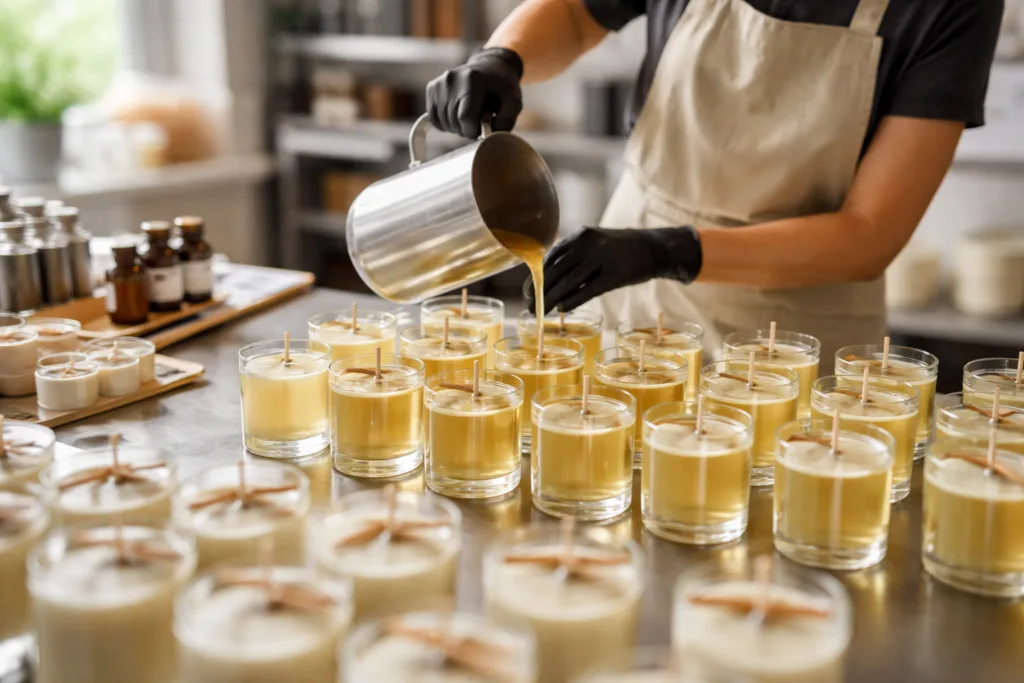
Container Finishes and Labeling
Glass, ceramic, or metal vessels each affect candle cost and brand perception. Embossed lids, foil caps, and textured coatings enhance luxury appeal but increase unit cost. Outer box choices—FSC-certified, soy ink, compostable—add value for eco-conscious buyers.
Retail Applications and Pricing Scenarios
Tailor your candle pricing to fit each retail scenario. Luxury gifting supports higher markups and extended packaging spend, while minimalist decor lines may focus on bulk rate stability and sustainable appeal.
- Luxury gifting: higher MSRP, custom scent, premium vessel
- Hotel/Spa: mid- to high-volume, private-label, refined burn profile
- Wellness blends: allergen-free, essential oil focus, compliance labeling
- Minimalist home decor: eco-wax, FSC carton, simple glass
Strategic pricing communicates brand values, whether you’re positioning for elegant indulgence or responsible luxury.
Compliance, Safety, and Sustainable Pricing Factors
Regulatory compliance and sustainable practices increasingly affect pricing structure for retail candle lines.
Quality Assurance and Burn Testing
Comprehensive QC, including burn time measurement (>35 hrs for 200g), soot index testing, and fragrance dispersion, ensures candles meet expectations and justifies premium retail pricing.
Regulatory Labeling and Packaging
IFRA guidelines (51st amendment), CLP labeling, and allergen declaration add legitimacy—each step requires cost investment. Eco-packaging and refill programs (where relevant) enhance sustainable positioning and appeal to target customers.
Optimizing Your Candle Pricing Strategy

Building a successful candle line for retail means continuously refining your pricing strategy as production scales and market trends evolve.
- Review and adjust cost structure regularly
- Track competitor moves and MSRP updates
- Engage feedback on perceived value versus shelf price
- Coordinate with manufacturing partners for efficiency (batch size, material sourcing)
- Align pricing with sustainability goals and brand storytelling
By meticulously calculating costs and tuning margins, you pave the way for a resilient, profitable, and admired retail candle line.
Frequently Asked Questions
How do I calculate the cost of producing a custom candle?
Start by listing all direct costs: wax, fragrance, wick, vessel, labels, and packaging. Add indirect costs such as quality control, compliance testing, labor, and shipping to see the complete picture.
What margin should I use for retail pricing of candles?
Luxury candle brands often aim for 50–70% markup above total production cost. Adjust based on your market positioning and perceived brand value.
How is MSRP determined for candles?
MSRP typically combines total production cost with desired margin, adjusted according to competitive benchmarking and retailer requirements in your segment.
What’s the difference between wholesale and retail candle pricing?
Retail pricing (MSRP) reflects direct-to-consumer value including packaging and service, while wholesale pricing prioritizes bulk rates and minimum order incentives for B2B partners.
Do wax type and fragrance system affect pricing?
Yes, premium wax blends and custom fragrance systems increase unit costs, but they also justify higher MSRP due to enhanced burn quality and unique scent profiles.
What compliance standards should be included in pricing?
Include costs for IFRA fragrance safety, CLP labeling (EU), allergen declarations, burn profile testing, and eco-packaging in your pricing structure for full compliance.