
Why Lead Time Matters for Custom Candle Production
In the fiercely competitive world of luxury candle manufacturing, understanding candle production lead time is crucial for both brands and procurement teams. From OEM schedule complexities to seasonal logistics risks, lead time impacts everything—from fragrance fidelity to on-shelf launch dates. Circe Home, renowned for its refined scent experience and premium wax blends, exemplifies the careful choreography behind every custom order. Let’s illuminate the pivotal role lead time plays in candle manufacturing, ensuring your next project not only shines but arrives on schedule.
Candle Production Lead Time: Definition & Key Stages
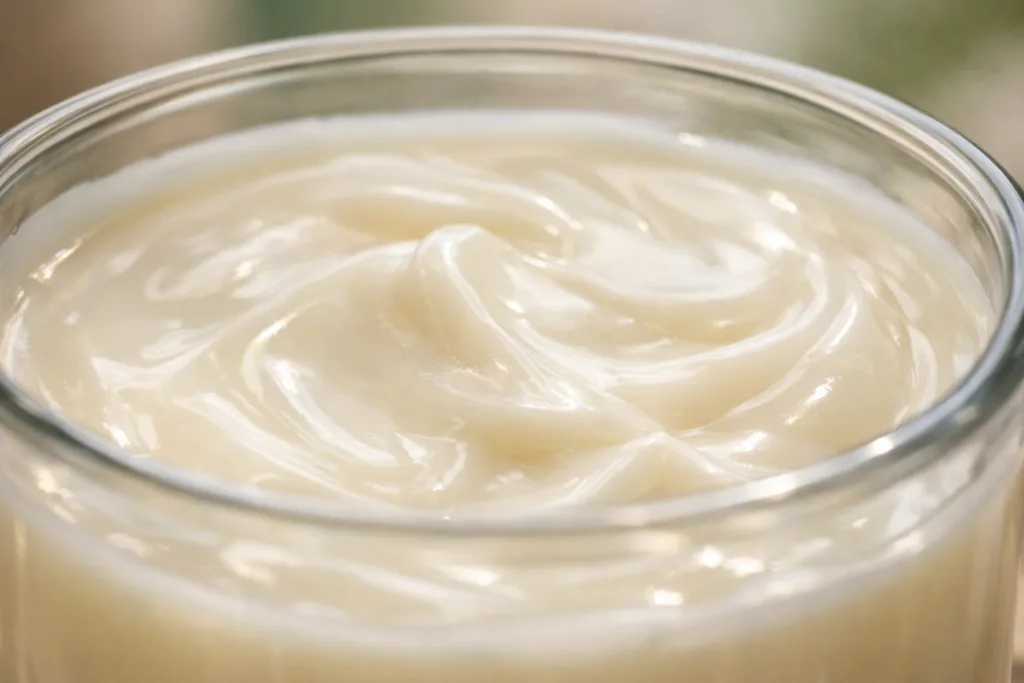
Lead time in custom candle manufacturing comprises the period from initial project intake through to final delivery. It’s shaped by intricate processes—from material sourcing to the curing of scented wax. Whether placing an OEM or private-label order, lead time determines launch readiness and product performance. Let’s break down the main phases:
- Sample Development: Custom fragrance creation, vessel selection, wax blend tests, burn profile review.
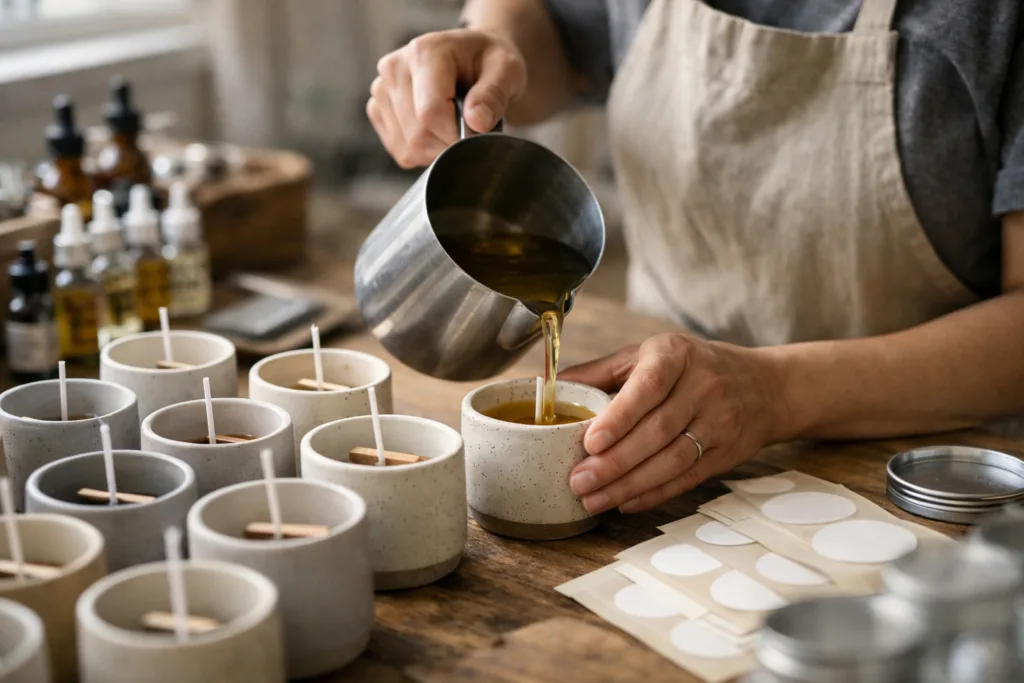
- Main Production: Material acquisition, pre-pour preparation, pouring, cooling, curing, labeling, boxing.
- Pre-Holiday Scheduling: Adjustments for major holiday windows, production bottlenecks, seasonal labor and logistics.
- Logistics & Shipping: Packing, customs documentation, and shipment factoring in weather and peak calendar deadlines.
OEM Schedule: Coordinating Material, Customization, and Scale
For OEM/ODM orders, every customization—from bespoke containers to exclusive fragrance systems—can stretch candle manufacturing timeline. Circe Home’s project managers synchronize procurement, wax blending, and container decoration with precision. Common influences include:
- Rare or custom wax blends: Soy, coconut, rapeseed, and beeswax each have distinct sourcing and blending times.
- Fragrance compliance testing: IFRA and allergen declaration processes ensure safety, sometimes adding days or weeks.
- Container finishing: Techniques like embossing, foil stamping, and glazing require specialist scheduling and QC.
- Approval loops: Label design, scent naming, sample sign-off can elongate the OEM schedule.
Sample Delivery Timeline: Setting Realistic Expectations
Sample preparation is the launchpad for any luxury candle project. Brands expect custom scent development, vessel evaluations, and wax compatibility proofing—typically demanding 7–20 days for first samples. This phase is often underestimated or rushed, yet determines success by:
- Confirming fragrance load, cold/hot throw and curing time suitability
- Matching wax blend to vessel type for optimal burn profile
- Iterating label and box design for brand significance
- Running initial safety and performance testing
Circe Home Lab Insight: “Full wax and fragrance cure is non-negotiable—samples rushed to market before proper curing can distort scent, visual, and burn characteristics.”
Main Production Timeline: Production Planning in Practice
Once samples are approved, production proceeds under strict timelines. Main production is typically 30–45 days, depending on volume and customization. Wax melting, precise blending, container prepping, pouring, cooling and curing must be orchestrated—then labels, wraps, and secondary boxing follow. Key pacing factors include:
- Batch size and order complexity
- Specialty wax or vessel procurement (handmade ceramics, FSC cartons)
- Required fragrance load and aging/curing windows for optimal performance
- Quality control checks at every stage—wick centering, burn test, fragrance dispersion
Seasonal Risks: Pre-Holiday Scheduling and Logistics
Seasonality profoundly affects candle manufacturing timeline. Holiday surges—such as Lunar New Year or Christmas—can double OEM schedule lead time. Production slots fill early, and freight bottlenecks or port congestion can require creative contingency planning. Wise procurement teams:
- Book production slots 2–3 months in advance of holidays
- Monitor labor availability during peak periods
- Adjust project specs to simplify fulfillment (e.g., more standard vessels, ready-to-go scents)
Freight delays are common when weather and port volumes spike—affecting finished candle delivery and retail launch dates.
| Wax Type | Melt Point | Max Fragrance Load | Typical Curing Time | Burn Profile | Scent Throw |
|---|---|---|---|---|---|
| Soy | 48°C | 8-10% | 5–10 days | Clean, slow | Moderate-strong |
| Coconut | 40°C | 10-12% | 7–14 days | Soft, creamy | Strong |
| Rapeseed | 45°C | 9-10% | 5–12 days | Soot-free | Medium |
| Beeswax | 62°C | 5-7% | 7–21 days | Long, slow, bright | Mild-medium |
How Wax Formula, Fragrance, and Vessel Choices Impact Lead Time
The complexity of custom wax and fragrance systems directly affects production pace. High fragrance load, essential oil compatibility, and specialty blends require extended curing and QC. Vessel selection also matters—glass, ceramics, tins each demand different prepping, pouring, and cooling rhythms. Custom colors, foiling, and labeling can add days. The interplay between wax type, scent load, and vessel design is where luxury candles gain their edge—and greater lead time flexibility ensures performance stays premium.
- High fragrance load can prolong curing (critical for scent throw and stability)
- Natural waxes (soy, coconut, rapeseed) may frost or require temperature-controlled cooling
- Embossed, glazed, or custom-painted vessels require specialist handling
- Private-label packaging specs (FSC cartons, soy ink, compostable wraps) may extend timeline
Quality Control and Regulatory Testing: Timeline Implications
Candle manufacturing isn’t just about aesthetics—it’s about safety and compliance. Key quality checkpoints include:
- Wick centering tolerance
- Burn time verification (e.g., >35 hrs for 200g candle)
- Soot index test
- Fragrance load dispersion consistency
- IFRA compliance and CLP labeling for EU
These steps guarantee soot-free performance and allergen safety but can add 3–10 days to the manufacturing schedule, especially for new blends or innovative containers.
Circe Home: Best Practices for Optimizing Candle Manufacturing Timeline
As a luxury candle OEM/ODM manufacturer, Circe Home exemplifies streamlined yet rigorous production. For buyers seeking to balance speed, quality, and brand customization, consider these best practices:
- Start sample development early; allow time for multiple iterations
- Lock in vessel and label specs before main production
- Order standard scents or proven blends for faster schedules
- Align pre-holiday orders well ahead of OEM peak windows
- Choose partners with transparent compliance and QC reporting
By building time buffers for fragrance aging and packaging design, brands ensure a clean, consistent burn—and memorable first impression with every launch.
How to Plan for Candle Production Lead Time: Actionable Tips

Savvy sourcing, realistic scheduling, and understanding material nuances are central. Here’s an actionable workflow for brands and buyers launching new luxury candles:
- Define artwork, scent brief, wax type, vessel, and labeling upfront
- Book samples at least 4–6 weeks before targeted launch
- Budget for compliance and burn profile testing in project timeline
- Confirm main production and delivery slots—factor in seasonal peaks
- Monitor logistical risks, choose forwarders with candle experience
This ensures that every aspect—from fragrance development to delivery tracking—is tightly coordinated, minimizing revision cycles and avoiding costly delays.
Frequently Asked Questions
What is a typical lead time for custom candle production?
Most luxury OEM candle orders require 7–20 days for sample development and 30–45 days for main production, with additional time for packaging and compliance checks.
How does wax type affect production timeline?
Soy, coconut, rapeseed, and beeswax blends each have different melt points and curing times, which impacts overall scheduling and required quality control.
Why is curing time important in scented candles?
Curing time ensures fragrance stability and optimal scent throw, allowing wax and fragrance components to fully integrate for a clean, consistent burn profile.
How should brands plan for holiday production peaks?
Brands should reserve production slots two to three months early, simplify product specs when possible, and build in contingency days for logistics and delivery.
What role does regulatory testing play in timeline?
Compliance checks—including IFRA and CLP labeling, burn testing, and allergen screening—add days to lead time but are crucial for safety and international market access.
Can choosing standard vessels and scents speed up lead time?
Yes, using proven shapes and ready-to-go fragrance blends shortens both sample development and production, reducing sourcing and QC complexity.