
What Is Private Label Candle Branding?
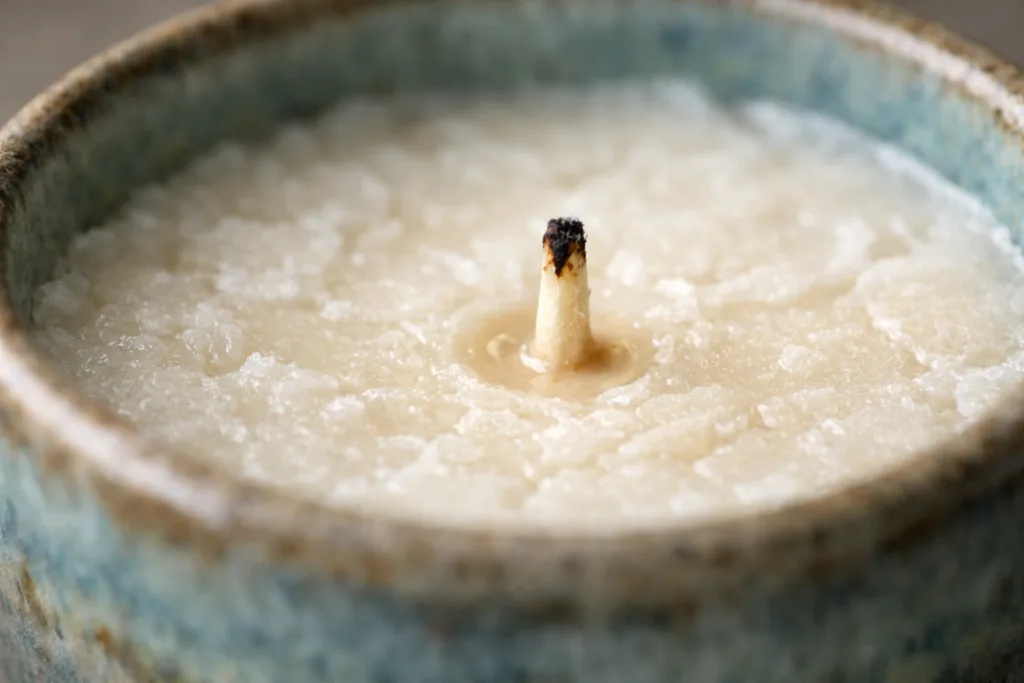
Private label candle branding is the process where a business partners with a manufacturer to create candles under its own brand name. You control the creative direction—logo, packaging, fragrance profiles—without handling the complexities of in-house production. The result: Luxurious, on-brand products that capture your audience’s lifestyle aspirations and preferences.
- Full creative ownership over label, vessel, scent, and packaging
- Speed to market compared to custom candles
- Ideal for concept stores, home décor brands, wellness boutiques, and hospitality projects
Brand Personality and Vessel Choice
The vessel is the silent ambassador of your brand. Beyond holding wax, its silhouette, finish, and weight communicate your ethos—minimalist, bohemian, or ultra-luxe. Choosing the right candle container aligns your private label brand with your target market’s values and aesthetics.
| Wax Blend | Scent Throw | Vessel Compatibility | Burn Time |
|---|---|---|---|
| Soy | Clean, Moderate | Clear/Amber Jars | ~35–45 hrs (200g) |
| Coconut | Rich, Strong | Ceramic, Metal | ~40–50 hrs |
| Beeswax | Subtle, Natural | Tin, Concrete | ~38–48 hrs |
| Paraffin Blends | Very Strong | Heat-resistant Glass | ~40–55 hrs |
- Glass jars highlight color and clarity, perfect for soy or rapeseed blends
- Ceramic, tin, or concrete give heft, great for high-end or earthy aesthetics
Circe Home Lab Insight: “We match vessel coatings and thickness to specific wax blends, ensuring clean burn, optimal scent throw, and stability during shipment.”
Logo, Label, and Packaging Style Design
Your candle’s design is your first chance to tell its story—before anyone even initiates a burn. Thoughtful label and packaging decisions create recall and reinforce brand consistency across lines.
- Logo Placement: Subtle etching on a vessel, bold on outer carton, or with foil-stamping for tactile appeal.
- Label Finish: Uncoated matte for a modern vibe, high-gloss or textured paper for luxury impact. Ensure ink compatibility (soy vs. petroleum-based) for sustainability claims.
- Box Formats: Drawer-style, rigid boxes, or sleeves, with options for FSC-certified boards, foil interiors, and custom inserts for protection.
Fragrance and Label Harmonization
A memorable private label candle thrives on consistency. Design elements must echo the scent narrative—be it coastal sage, sensual amber, or fig leaf. Incorporate the fragrance name into label typography or a distinct icon system for visual cues. Test color palettes for consistency across digital and print mediums.
Compliance Notes
Every packaging element must allow space for mandatory safety icons, IFRA/CLP statements, and batch codes. Well-designed compliance ensures customer trust and legal shipping privileges overseas.
How to Build a Unified Candle Brand Line
Developing a cohesive candle range means more than matching fonts—it’s about synergy from unboxing to burn. A unified brand line amplifies presence in retail and online, and fosters instant recognition.
- Choose 2–3 vessel shapes that scale across fragrances
- Align color and finish (matte, frosted, metallic) by mood tier: e.g., wellness, celebration, gifting
- Standardize label sizes and information layout, using consistent paper types
- Apply a core scent-naming system, such as location, emotion, or botanical family
- Coordinate outer packaging and seasonal accents
Example:
A brand launches with three core scents: Blush Peony, Mediterranean Sage, and Velvet Amber. Glass vessels have a sandblasted finish; all labels are cream with serif type. Boxes feature a soft blush interior. Limited editions use gold foil overlays. This consistency strengthens presence, both on shelf and in social feeds.
Selecting the Right Candle Manufacturer
Your private label partner shapes everything from fragrance authenticity to wax performance. Top-tier manufacturers, such as Circe Home, specialize in luxury blends—soy, coconut, rapeseed, beeswax—and support nuanced customizations, from fragrance compliance to vessel embossing.
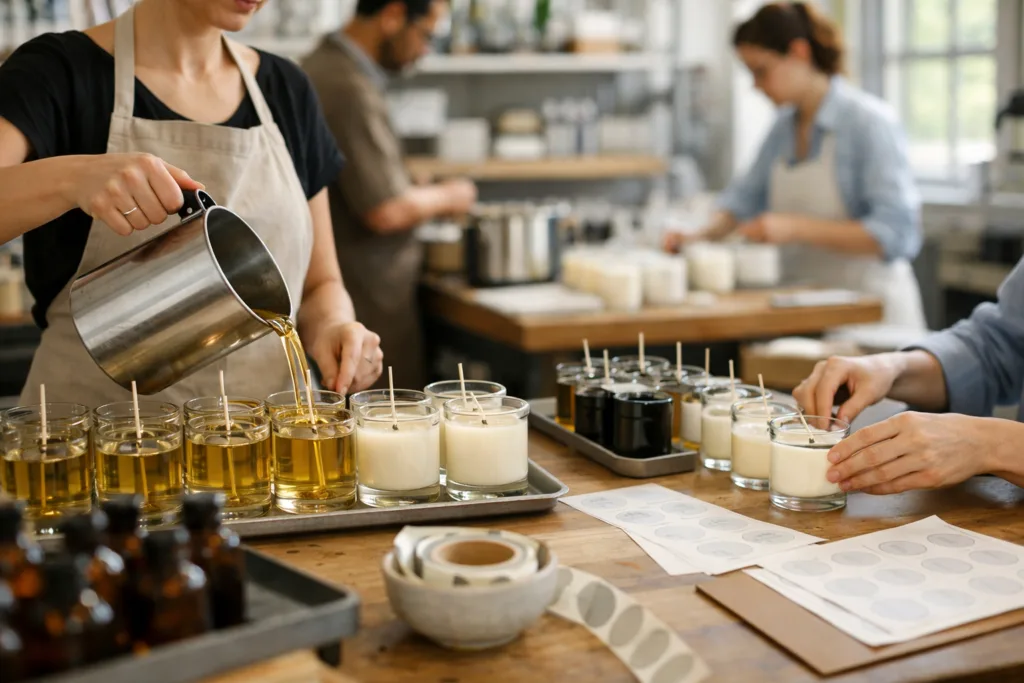
Checklist for Vetting Manufacturers
- Ask for sample burns, analyzing scent throw, burn profile, and cracking risk
- Review IFRA certificates, allergen disclosures, and detailed blend %s
- Confirm support for custom fragrance development and package prototyping
- Discuss minimum order quantity (MOQ) and lead time flexibility
- Request information on quality control: wick centering, surface finish standards, color uniformity
Formulation and Testing: Ensuring Brand Consistency
The backbone of repeatable, premium-quality candles is rigorous formulation and testing. Each wax blend requires fine-tuned processes to maintain olfactive and aesthetic consistency.
Technical Deep-Dive
- Wax-to-fragrance ratio: Typically 7–12% for strong scent throw (varies by blend; coconut-based formulas support higher loads)
- Curing time: Minimum 5–7 days for soy and coconut blends; fast-cooling paraffin may require less
- Burn profile: Analyze for even melt pool, minimal tunneling, and clean wall adhesion
Quality Assurance Steps
- Weigh and inspect all incoming wax and fragrance materials
- Visually inspect wick centering (tolerance <2mm)
- Document cold throw, then test hot throw and burn time for every batch
- Label for regulatory compliance before boxing
White Label Candles vs. Custom Private Label: Strategic Considerations
White label candles offer off-the-shelf speed and low MOQs—solid for testing markets or seasonal lines. However, true private label candle branding allows for deeper brand DNA: custom blends, unique vessels, proprietary fragrance signatures. For long-term growth and price-point flexibility, building private label assets pays dividends.
| Feature | White Label | Private Label |
|---|---|---|
| Customization | Pre-set | Full—fragrance, vessel, branding |
| Time to Market | 2–4 weeks | 6–14 weeks |
| MOQ | Low (100–500) | Medium–High (500+) |
| Brand Distinctiveness | Low–Medium | High |
Candle Compliance and Responsible Production
Beyond beautiful branding, successful private label lines adhere strictly to safety and environmental standards. Leading manufacturers ensure all candles are IFRA-compliant (51st amendment), display CLP labeling for EU markets, and use eco-friendly packaging options—think FSC-certified cartons, biodegradable foams, and soy-based inks.
- Document SDS and allergen reports for all fragrances
- Check for batch-specific IFRA statements
- Adopt refill or recycling programs where possible
- Communicate clean burn claims with resolved test data
Circe Home Lab Insight: “Consistency in wick sizing and placement keeps soot index low, protecting your brand’s reputation for clean, safe burns.”
Applications and Use Cases for Private Label Candle Branding
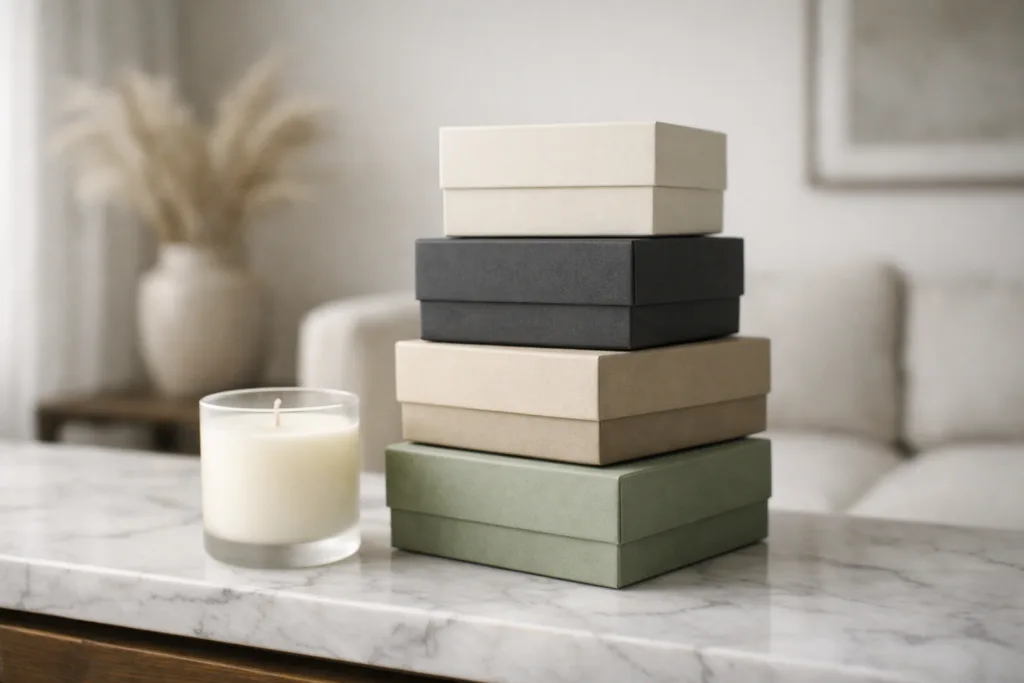
The versatility of private label candle branding enables targeted launches—from luxury gifting to minimalist retail lines. Consider spa and wellness sets (oatmilk or fig blends in pastel ceramics), hotel-amenity candles (signature scents, travel tins), or home décor collabs (bold vessels, statement packaging).
Market Examples
- Direct-to-consumer gifting: Custom monogramming or scent blending kits
- Concept retail: Thematic capsule collections around seasons or destinations
- Brand collaborations: Limited-edition packaging, bespoke fragrances
- Hospitality: Multi-size sets for bathrooms, lobbies, suites
Frequently Asked Questions
How do I ensure fragrance consistency across my private label candle line?
Partner with a manufacturer who uses precision formulation, documents every fragrance batch, and controls curing and burn profiling in a controlled environment. This guarantees reliable scent performance for every production run.
What packaging options help reinforce a premium candle brand?
Opt for glass or ceramic vessels, embossing or foil on labels, rigid gift boxes, and FSC-certified boards with custom inserts for protection and luxury unboxing experiences.
How are container finish and color selected to match brand style?
Audition finishes and colors with your target audience, consult with your manufacturer for durability, and unify the choices with your visual identity for lasting shelf appeal and cohesive branding.
What is the difference between white label and private label candles?
White label uses preset fragrances and vessels, offering speed and low MOQs. Private label means full customization—your own scent, design, and packaging, ideal for distinctive brand lines.
Which wax blends are best for luxury branding?
Soy, coconut, and beeswax blends are preferred for clean burns, strong fragrance retention, and eco-claims. They suit minimalist, premium, or wellness-focused brand concepts.
What regulatory standards must private label candles meet?
Follow IFRA 51st amendment for fragrances, include CLP labeling for EU, and ensure packaging has required safety warnings, allergen declarations, and batch coding for traceability.