
Why Start With Glass Jar Candles?
Choosing the right vessel is the cornerstone of exceptional candle design and production. Among jar candle options, glass containers consistently set the standard for quality, function, and aesthetics. In this article, we illuminate the unique advantages of glass jar candles, diving deep into the technical, sensory, and commercial reasons behind their popularity.
Glass Jar Candles: The Industry’s Signature
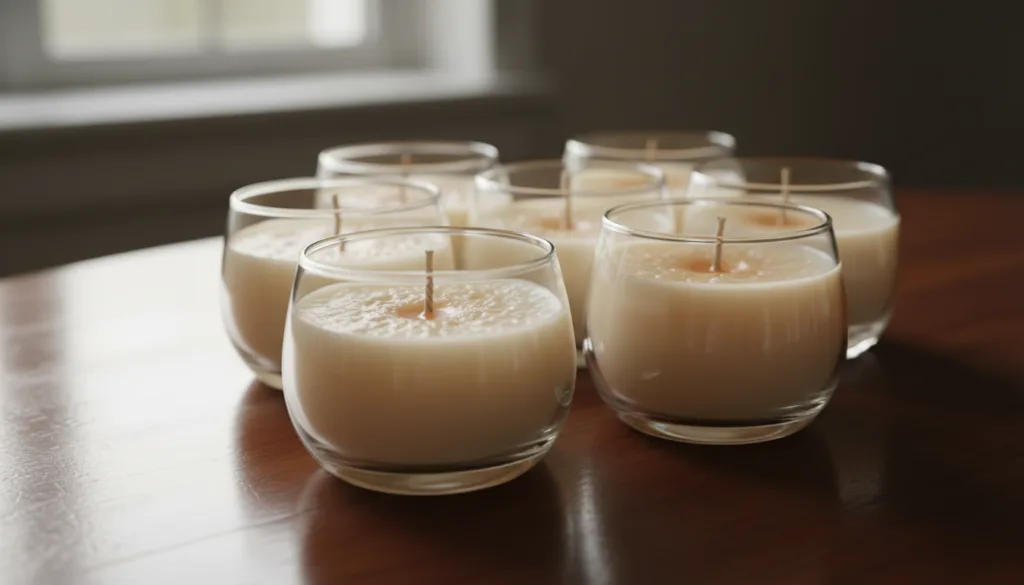
Glass jar candles have carved out a defining niche across luxury, wellness, and home décor markets. Their clean burn profile, superior fragrance throw, and customizable look make them the preferred choice for brands and manufacturers. Compared with tins, ceramics, and natural-shell alternatives, glass delivers unmatched clarity and performance—making it the vessel of choice for those launching or scaling a candle line.
Comparing Candle Vessels: Glass, Tin, Ceramic, Coconut Shell
Every candle container type signals something different in terms of aesthetics, safety, and scent experience. Below is a comparative table outlining core distinctions.
| Vessel Type | Fragrance Throw | Safety & Burn Profile | Aesthetic Options | Durability |
|---|---|---|---|---|
| Glass Jar | Strong (excellent clarity) | Soot-free, clean edge | Translucent, color, emboss | High |
| Tin | Moderate | Potential for hot spots | Matte, metallic, compact | Very High |
| Ceramic | Mild to strong (depends on glaze) | Thick, insulated; longer cool-down | Artistic, glazed, custom shapes | Fragile (prone to chipping) |
| Coconut Shell | Mild | Porous, cool touch | Rustic, organic | Low (breakable, irregular) |
Benefits of Glass Jar Candles
Glass jar candles deliver multifaceted benefits for both makers and users. Their transparent construction visually highlights wax color, wick trimming, and the curing process—creating trust from the first impression. Advantages include:
- Clean Burn: Glass resists soot buildup and discolors less, supporting longer burn cycles and minimal residue.
- Fragrance Amplification: Glass supports optimal cold throw and hot throw, ensuring scents diffuse richly both when lit and unlit.
- Safety: Nonporous glass remains cool to the touch and resists warping and leaking, safeguarding users.
- Design Versatility: Options like frosted, colored, or embossed glass reinforce luxury branding and shelf impact.
- Recyclability: Glass is fully recyclable, appealing to eco-conscious consumers and sustainability-minded brands.
Why Not Tin, Ceramic, or Coconut Shell?
While alternative vessels offer aesthetic variety, each comes with distinct drawbacks for high-end, fragrance-forward candles.
- Tin: Prone to heat spots, limited scent throw due to metal conduction, and lacks visual impact for premium products.
- Ceramic: Heavier and more costly; risk of glaze cracking after repeated burns. Can obscure wax color and flame.
- Coconut Shell: Appealing for rustic, novelty lines but inconsistent in shape and size—challenging for standardized scent performance and compliance.
“Circe Home Lab Insight: Our R&D confirms glass jars consistently outperform other vessels in controlled burn tests, fragrance retention, and safety benchmarks.”
The Anatomy of a Quality Glass Jar Candle
Superior glass jar candles require precision at every step—from vessel selection to custom wax and fragrance systems. Key anatomy features:
Wax & Blend Compatibility
Premium soy, coconut, rapeseed, and beeswax blends bond reliably in glass jars thanks to stable thermal properties. Optimal melt points and flash points (typically 45–65°C) ensure even burn and prolonged scent release. Frosting tendencies and visual clarity are less apparent compared to other vessels.
Wick Selection & Sizing
Cotton and wood wicks, sized for vessel diameter and wax blend, promote controlled burn and minimal soot production. Wick centering is critical for safe, even burn.
Fragrance Systems
Glass enables high fragrance load percentages (up to 10% for soy or coconut waxes). It’s fully compatible with essential and fragrance oils, supporting full IFRA and CLP conformity for allergen declaration. Cold throw (unlit scent projection) is distinctly better, while hot throw (when burning) diffuses evenly due to the vessel’s shape.
Manufacturing Process for Glass Jar Candles
The journey from wax to finished glass jar candle involves careful technical and compliance steps. Below is an outline:
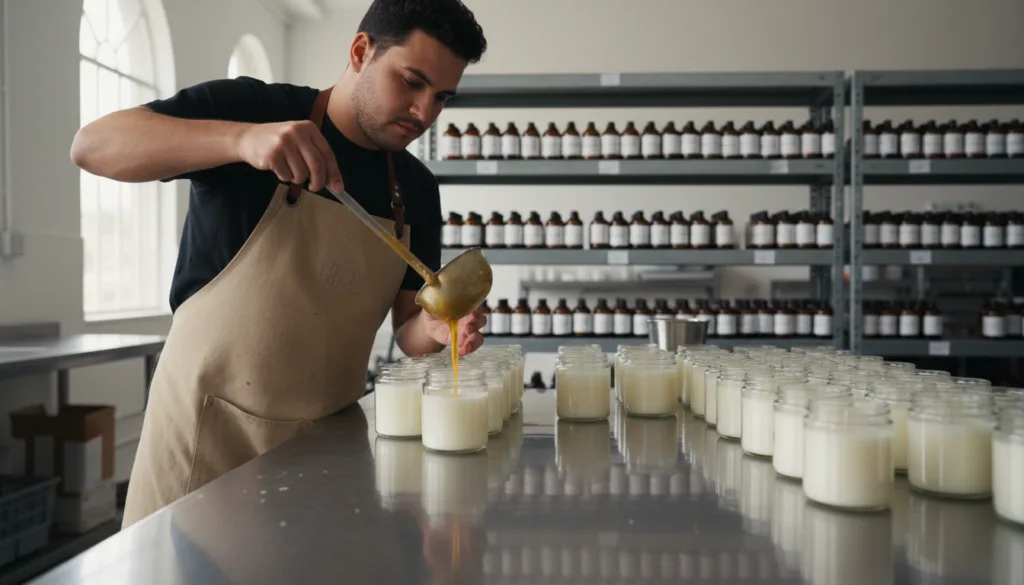
- Pre-pour jar cleaning and wick attachment
- Careful melting and blending of chosen wax formula
- Precise fragrance addition at optimal temperature
- Controlled pouring, vessel cooling in curing room
- Quality control: wax fill weight, wick centering, visual check
- Curing timeline (up to 14 days for maximum scent retention)
- Decorative topping (dust covers, foil caps) and labeling
- Final safety and fragrance dispersion testing
- Boxing in premium, eco-compliant packaging
Quality Control Checks for Glass Jar Candles
Quality assurance ensures every glass jar candle delivers a safe, reliable, and premium experience. Common QC checkpoints include:
- Burn time verification (>35 hours for 200g)
- Soot index measurement (visual and air-quality sensors)
- Fragrance dispersion consistency (cold/hot throw tests)
- Wick centering and trim tracking
- CLP/IFRA/Allergen labeling review
- Jar integrity inspection (chips, cracks, wall thickness)
Glass Jar Candles in Market Applications
From luxury gifting to minimalist home décor, glass jar candles embody refinement and experience. They are favored for:
- Private label brands: Custom embossing, scent naming, and packaging raise shelf-appeal.
- Spa and wellness lines: Enhanced scent throw supports aromatherapy benefits.
- Gifting and events: Glass jars create upscale presentation and lasting keepsake value.
- Hotel amenities: Elegant vessels align with premium hospitality branding.
Compliance, Sustainability, and Production Responsibility
Current glass jar candle production integrates strict regulatory and green standards. Leading manufacturers, such as Circe Home, observe the IFRA 51st amendment for fragrance safety and CLP labeling for EU compliance. Glass jars offer easier recyclability than ceramics or coconut shells, and can be paired with FSC-certified cartons and soy ink for eco-credentials. Emerging trends include refill programs, compostable wax formulas, and low-carbon glass production methods.
Choosing Your Perfect Glass Jar Candle: A Step-by-Step Guide
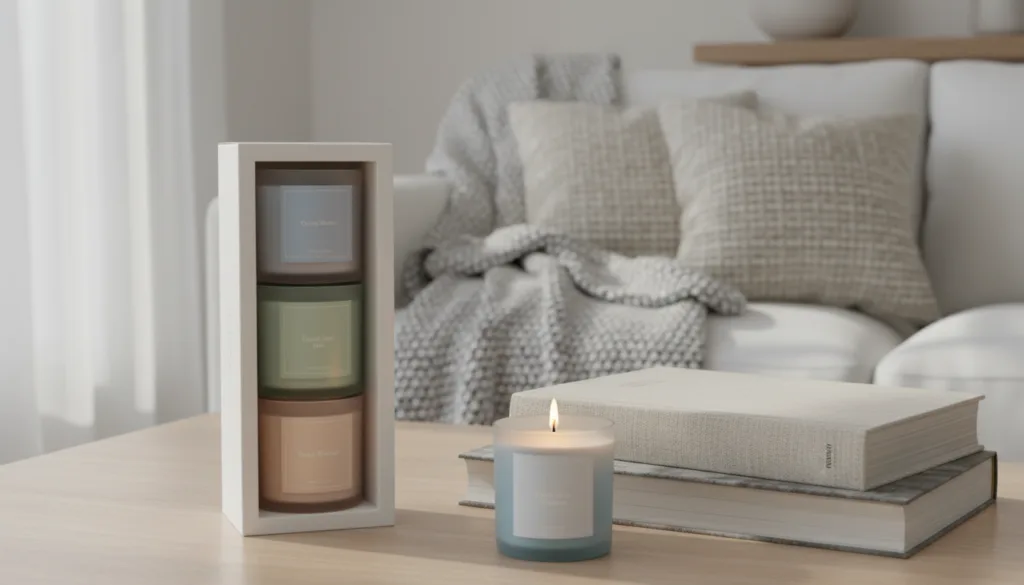
For brands and buyers, selecting the ideal glass jar candle combines technical review with aesthetic judgment. Here’s how you can choose confidently:
- Define desired scent load and wax formula
- Select vessel size, shape, color, and embellishment (e.g., embossing, frosted finishes)
- Match wick size to blend and jar diameter
- Insist on full IFRA and CLP compliance for fragrance oils
- Evaluate packaging for eco-responsibility and brand fit
Frequently Asked Questions
What makes glass jar candles superior for scent throw?
Glass jars provide airtight containment, which amplifies cold and hot fragrance throw. The nonporous material doesn’t interfere with scent diffusion, optimizing both essential and fragrance oil performance with every burn.
Are glass jar candles safer than other types?
Yes. Glass is heat-resistant, nonporous, and less prone to warping or overheating compared to tins or coconut shells. Quality control ensures vessel integrity and safe, clean burning.
Which wax blends work best in glass jar candles?
Soy, coconut, rapeseed, and beeswax blends each excel in glass jars due to thermal stability. These blends yield excellent burning and fragrance retention, especially when custom-formulated for the vessel.
How does manufacturing differ for glass jar candles?
Manufacturing glass jar candles involves precise temperature control, careful pour techniques, and extended curing times to assure scent strength and wax clarity. Compliance and safety are integrated at every stage.
Can glass jar candles be recycled or refilled?
Absolutely. Most glass jars are fully recyclable and can be repurposed or refilled as part of eco-friendly initiatives. Some brands, including Circe Home, offer refill-compatible designs.
What labeling regulations apply to glass jar candles?
Glass jar candles sold in Europe require CLP labels for safety information and allergen disclosure; IFRA standards apply for fragrance safety. Proper labeling protects users and maintains brand compliance.