
For Judaica stores, kosher grocery retailers, synagogue gift shops, religious goods distributors, and online Judaica sellers, Sabbath candles are not simply another candle SKU. They belong to a weekly ritual, a family table, and a long-standing Jewish tradition. That makes them very different from decorative scented candles or seasonal home fragrance products.
A scented candle may be purchased for mood, interior styling, or gifting. A Sabbath candle is purchased because it has a clear function: it is lit before Shabbat begins, traditionally on Friday before sunset, to bring light, peace, and sanctity into the home. Many Jewish households light at least two candles, often understood as connected to the ideas of remembering and keeping Shabbat. Some families light more, depending on family custom. For retailers and wholesalers, this creates a category with stable, repeat demand.
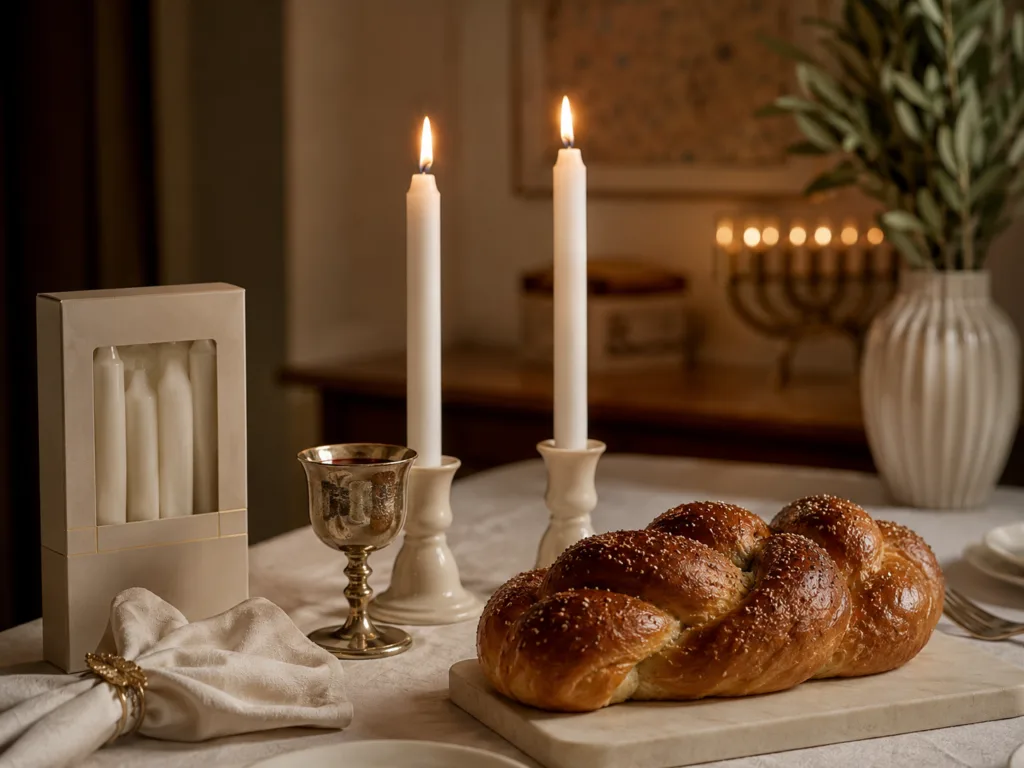
That repeat demand is exactly why private label Sabbath candles can be a strong product line. A Judaica store can sell them as a weekly household essential. A kosher supermarket can place them near challah, grape juice, wine, matches, and holiday items. A synagogue gift shop can offer them as practical ritual supplies. An online Judaica brand can build both everyday packs and premium gift sets around the same core product.
But private label buyers should not treat Sabbath candles like ordinary fragrance products. The winning formula is not stronger scent or overly decorative styling. The right formula is tradition-friendly design, stable burning, consistent sizing, practical packaging, careful cost control, and a product presentation that respects Jewish home ritual.
This guide explains how mature buyers should choose wax type, candle size, color, burn time, and packaging when developing private label Sabbath candles for retail or wholesale programs.
Why Sabbath Candles Are a Strong Private Label Category
Sabbath candles have one commercial advantage that many candle categories do not have: routine use. Many observant Jewish households light candles every Friday before Shabbat. This means the product is not only seasonal, decorative, or impulse-driven. It can be a weekly-use consumable.
For a retailer, that matters. Weekly-use products can create repeat traffic, especially in stores that already serve Jewish households. A customer visiting a kosher grocery store before Shabbat may also need challah, wine, grape juice, prepared food, disposable tableware, matches, and candles. Sabbath candles fit naturally into that basket.
For Judaica shops, the category can work across several price points:
- Everyday white unscented Sabbath candles for weekly home use
- Value packs for families that buy in quantity
- Premium ivory or natural wax candles for gift-oriented customers
- Decorative or seasonal candles for holidays and special occasions
- Gift sets paired with candle holders for weddings, housewarming, or Rosh Hashanah
This is why private label development is attractive. A store does not need to compete only on the lowest generic box. It can build a branded candle line that reflects its own customer base: traditional, modern, premium, family-oriented, eco-conscious, or gift-driven.
The best buyers begin with one question: who is the candle for?
A kosher supermarket may need reliable, affordable, fast-moving white candles. A boutique Judaica store may want elegant packaging and a higher perceived value. A synagogue gift shop may need clean, simple, respectable packaging with easy bulk replenishment. An online Judaica seller may need strong visuals, compact shipping dimensions, and giftable presentation.
The product should be designed around the channel.
Wax Options for Private Label Sabbath Candles
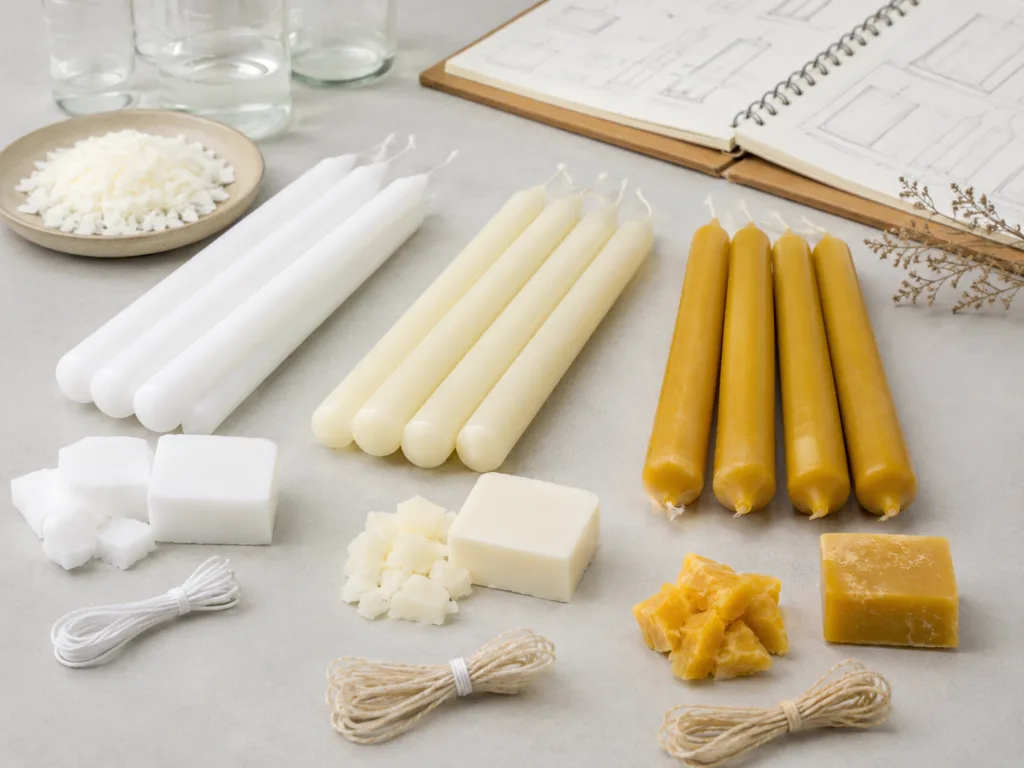
Wax choice affects cost, appearance, burn time, production stability, and brand positioning. For Sabbath candles, the wax should support clean handling, reliable burning, and consistent shape. Fragrance throw is usually not the main priority, because most Sabbath candles are unscented.
Paraffin Wax: Practical for High-Volume Weekly Use
Paraffin remains one of the most practical choices for large-volume Sabbath candle production. It forms well, holds shape consistently, burns predictably when paired with the correct wick, and supports competitive pricing. For bulk retail packs and kosher supermarket programs, this can be the most commercially realistic option.
A buyer developing a standard 12-count, 16-count, or 72-count Sabbath candle box will often care about cost per candle, breakage rate, carton efficiency, and repeatable supply. Paraffin is strong in these areas. It is also suitable for smooth white candles, which remain the safest mainstream choice for traditional weekly use.
The key is not simply choosing paraffin; it is controlling the formula, wick, candle diameter, and cooling process so the candles burn evenly and do not become too brittle during shipping.
Soy Wax: Better for Eco-Positioning, But Requires Testing
Soy wax is popular in the broader candle market because it is plant-based and can support an eco-friendly brand story. However, Sabbath candles are often slim tapers or short ritual candles rather than container candles. Pure soy wax may be too soft for some taper formats unless blended or modified.
For private label buyers, soy wax can work when the product direction is modern, natural, or environmentally conscious. It may be suitable for premium Judaica brands that want to move beyond basic white paraffin candles. But it should be tested carefully for hardness, surface finish, burning stability, storage temperature, and shipping durability.
If the candle bends, breaks, sweats, or burns too fast, the eco story will not save the product. For Sabbath candles, function comes first.
Beeswax: Premium, Traditional, and Giftable
Beeswax has a natural connection to ritual, warmth, and premium gifting. It gives a more elevated product impression than standard white wax and can appeal to buyers looking for natural materials. Its natural yellow or golden tone also creates a beautiful visual language for Judaica boutiques, wedding gifts, and holiday gift sets.
However, beeswax is more expensive. It is usually not the best choice for price-sensitive weekly-use packs unless the retailer has a premium customer base. It works better for:
- Premium Sabbath candle gift sets
- Jewish wedding gift candles
- Housewarming Judaica gifts
- Natural wax product lines
- Boutique online Judaica brands
- Candle holder and candle gift combinations
For buyers, the main decision is whether beeswax is being used as a true premium material or just as a marketing word. If the target customer is buying a weekly household consumable, the price may be too high. If the target customer is buying a meaningful gift, beeswax can make sense.
Plant-Based Wax Blends: A Flexible Middle Ground
Some buyers may choose plant-based wax blends to balance cost, sustainability, and performance. Blends can be adjusted for hardness, surface quality, burn time, and stability. This is often more realistic than insisting on a single wax type.
For private label Sabbath candles, a blended formula may help achieve a cleaner look, better strength, and more consistent burning. The best approach is to define the commercial goal first: low-cost weekly use, eco-friendly positioning, premium gift line, or decorative seasonal product. The wax should follow that goal.
Choosing the Right Sabbath Candle Size
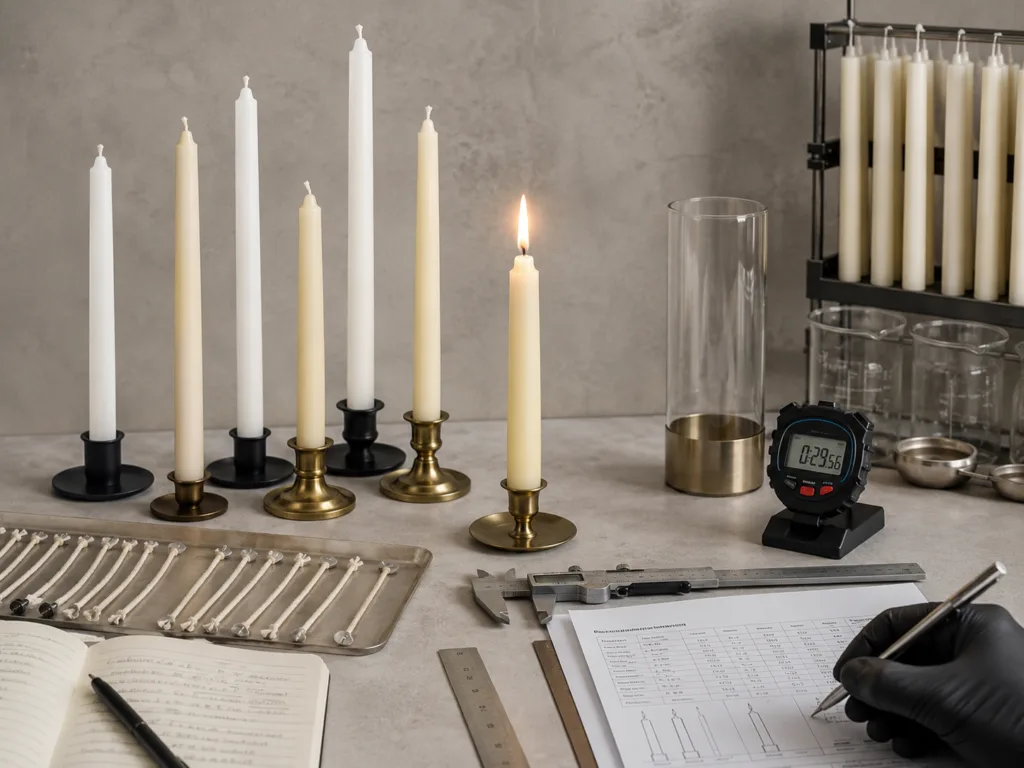
Size is one of the most important decisions in private label Sabbath candle development. It affects burn time, cost, packaging, shelf space, carton quantity, shipping weight, and compatibility with candle holders.
Standard Short Sabbath Candles
Many everyday Sabbath candles are compact, often around 4 inches to 4.5 inches tall. This format is practical because it fits many standard candlesticks, packs efficiently, and can provide enough burn time for a Friday evening meal or early Shabbat gathering.
For Judaica stores and kosher grocery channels, this is often the safest starting point. A buyer can develop a simple white or ivory candle in a 12-count, 16-count, 24-count, or larger family pack. The product is easy to understand and easy to replenish.
This format is especially suitable for:
- Weekly household use
- Kosher supermarket shelves
- Basic Judaica store inventory
- Value packs
- Family-size boxes
- Synagogue supply orders
The advantage is practicality. The disadvantage is that the product may look very similar to existing generic candles unless packaging, quality, or brand positioning is improved.
Taller Taper Candles
Taller taper candles create a more elegant table setting and can be positioned as premium Sabbath candles. They may be suitable for modern Judaica gift sets, wedding gifts, holiday tables, or higher-end home ritual products.
However, taller tapers come with more sourcing challenges. They are easier to break during shipping, require stronger inner packaging, and take more shelf and carton space. They may also cost more due to wax weight, production handling, and packaging protection.
For mature buyers, taller tapers should be treated as a premium line, not the default weekly-use candle. They are better when the retail strategy is based on visual impact, gifting, and higher margin.
Diameter and Candlestick Fit
For Sabbath candles, diameter is not just a visual detail. It determines whether the candle fits the customer’s candlestick holder. A beautiful candle that does not sit securely in a standard holder can create complaints and returns.
Private label buyers should confirm:
- Top diameter
- Bottom diameter
- Whether the base is tapered
- Whether the base can be slightly trimmed by the consumer
- Whether the candle stands straight in common holders
- Whether the candle becomes unstable as it burns
This is especially important for online retailers, because customers cannot test fit before purchase. Clear product dimensions and good holder compatibility reduce after-sales problems.
Burn Time: A Product Specification, Not a Guess
Burn time should be treated as a defined specification. Many everyday Sabbath candles are marketed around approximately 3 hours of burn time, while larger or taller candles may offer longer burning. For buyers, the exact target depends on usage.
A standard weekly-use candle should burn long enough to support the Shabbat meal atmosphere without being oversized or too costly. For many retail programs, 3 to 4 hours is a practical range. Premium tapers may go longer, especially if they are designed for formal dining, holidays, or gift sets.
Burn time depends on:
- Candle height
- Candle diameter
- Wax formula
- Wick size
- Wick material
- Room airflow
- Candle shape
- Manufacturing consistency
Buyers should not approve a product based only on appearance. Samples should be burn-tested before mass production. The test should check flame stability, dripping, smoke level, total burn time, wax consumption, and whether the candle remains safe in the holder.
For large orders, this is not a small detail. If a retailer imports thousands of boxes and customers complain that the candles burn too fast, smoke too much, drip heavily, or do not fit holders, the brand loses trust quickly.
Color Options: White, Ivory, Natural, and Decorative
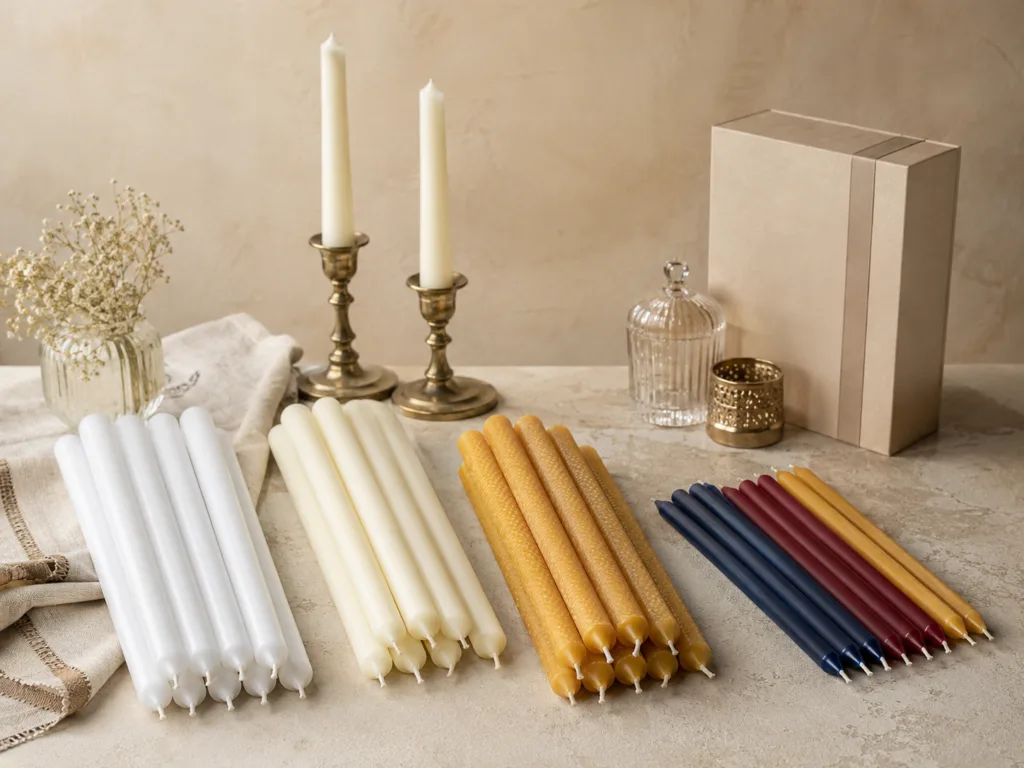
Color influences tradition, shelf appeal, and customer expectations. For Sabbath candles, the safest commercial direction is usually simple and respectful.
White Sabbath Candles
White is the most traditional and widely accepted color for everyday Sabbath candles. It communicates purity, simplicity, and ritual clarity. It is also easy for retailers to sell across different customer groups.
For kosher grocery stores and broad Judaica retailers, white unscented candles are usually the best entry product. They are practical, familiar, and low-risk.
Ivory Sabbath Candles
Ivory offers a softer, warmer look than pure white. It can feel more premium and home-friendly, especially in gift packaging or boutique Judaica displays. Ivory pairs beautifully with gold foil, navy blue, cream, burgundy, kraft paper, and minimalist packaging.
For private label buyers who want a slightly elevated line without moving into expensive waxes, ivory can be a smart option.
Natural Beeswax Color
Natural beeswax color is ideal for premium, natural, or gift-oriented Sabbath candles. It gives the product a warm golden tone and can support a more artisanal or traditional story.
This color direction works well for:
- Premium Judaica boutiques
- Eco-conscious Jewish gift brands
- Wedding or housewarming gifts
- Holiday gift sets
- Modern ritual products
Colored or Decorative Candles
Colored Sabbath candles can work, but they should be positioned carefully. Bright colors, hand-dipped effects, or decorative finishes may appeal to modern Judaica shops, Etsy-style sellers, or seasonal gift retailers. They are less likely to be the main daily-use product for a broad kosher grocery channel.
For a mature product line, colored candles are best used as a secondary collection: holiday editions, limited gift sets, wedding themes, or decorative table lines.
Scented or Unscented: What Should Buyers Choose?
For most Sabbath candle programs, unscented is the safest and most tradition-friendly choice. The candle is used around the Shabbat table, where food, wine, challah, blessings, and family gathering are central. A strong fragrance may interfere with the meal or feel unnecessary for the ritual purpose.
This does not mean scented Sabbath candles are impossible. A modern Judaica brand may develop a light honey, fig, olive, cedar, or floral note for a gift-oriented collection. But scented versions should usually be positioned separately from the core weekly-use line.
A good private label strategy could be:
- Core line: white unscented Sabbath candles for weekly use
- Premium line: ivory or beeswax unscented candles in better packaging
- Gift line: light fragrance or decorative candles for holiday gifting
This keeps the product respectful and commercially flexible.
Packaging Options for Private Label Sabbath Candles
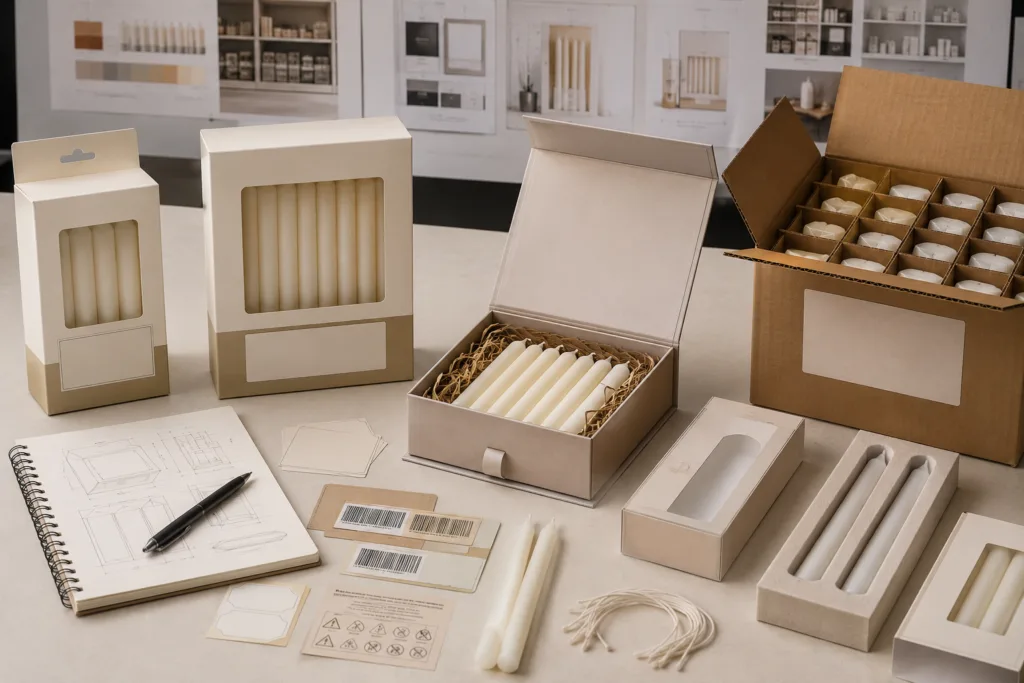
Packaging is where private label buyers can create real differentiation. It affects retail appearance, shipping protection, MOQ, customer trust, and brand value.
Everyday Retail Box
The everyday retail box is the most important format for Judaica stores and kosher grocery channels. It should be clean, clear, and easy to recognize on shelf.
Important packaging information may include:
- Candle count
- Candle size
- Approximate burn time
- Color
- Unscented claim
- Wax type
- Safety warnings
- Barcode
- Country of origin
- Brand name
- Retail display direction
For weekly-use products, customers do not want confusion. They want to know how many candles are inside, whether they fit their holders, how long they burn, and whether they are appropriate for regular use.
Family-Size and Value Packs
Large packs can perform well in communities where customers buy household essentials in quantity. A 72-count or similar family-size box can reduce the need for frequent repurchase and appeal to larger families or regular Shabbat hosts.
For wholesalers, value packs can also improve carton efficiency and simplify inventory planning. The packaging should be strong enough to prevent breakage and clear enough for warehouse and retail handling.
Bulk Cartons for Wholesale and Institutional Buyers
Large Jewish institutions, synagogues, schools, camps, community centers, or event organizers may need candles in bulk. For these buyers, retail beauty is less important than reliable supply, clean packing, and low damage rate.
Bulk packaging should focus on:
- Strong outer cartons
- Inner dividers or sleeves
- Clear carton labels
- Count accuracy
- Easy storage
- Shipping durability
For large buyers, consistency is often more important than decoration.
Premium Gift Box
Premium gift boxes create a different business model. Instead of selling only low-cost weekly candles, retailers can offer meaningful Jewish gifts for weddings, housewarming, hostess gifts, holidays, and lifecycle events.
Possible premium packaging formats include:
- Rigid gift box
- Drawer box
- Kraft gift box
- Gold foil logo box
- Candle holder and candle set
- Insert card with candle lighting meaning
- Holiday-themed sleeve
- Minimalist modern Judaica packaging
For premium gift lines, packaging may drive more perceived value than the candle itself. However, buyers should remember that rigid boxes, foil stamping, inserts, and custom structures usually increase MOQ and setup cost.
MOQ and Customization: What Mature Buyers Should Expect
Private label buyers often ask for low MOQ, custom wax, custom color, custom size, custom packaging, and low unit price all at once. In real production, these requirements conflict with each other.
The most practical market-entry path is usually:
- Start with a standard white or ivory Sabbath candle size.
- Add private label retail packaging.
- Test the market through Judaica stores, kosher grocery shelves, or online sales.
- Upgrade to custom colors, premium wax, or gift boxes after demand is proven.
Customization affects MOQ in different ways:
- Custom size may require mold or production adjustment.
- Custom color requires separate material preparation and color control.
- Custom wax formula requires testing.
- Custom packaging may require printing plates, die-cutting, inserts, and higher setup quantity.
- Multi-SKU assortments can split volume and increase cost.
For buyers targeting large retail orders, this is not a problem. It is simply part of product development. The key is to plan the SKU structure properly.
A mature buyer does not ask only, “What is the cheapest price?” A mature buyer asks:
- What is the best entry SKU?
- What pack count will move fastest?
- What candle size fits the most holders?
- What packaging level matches my channel?
- What is the realistic MOQ for each customization level?
- What is the landed cost after shipping?
- How can I reduce breakage and customer complaints?
These are the questions that lead to successful private label programs.
Quality Checklist Before Mass Production
Before confirming a bulk order, buyers should test more than appearance. A Sabbath candle must perform reliably in a real home ritual setting.
Important checks include:
- Candle surface quality
- White or ivory color consistency
- Straightness
- Bottom fit in holders
- Wick centering
- Flame stability
- Dripping level
- Smoke level
- Actual burn time
- Breakage resistance
- Packaging protection
- Retail label accuracy
- Carton strength
For international orders, packaging protection is especially important. Taper candles can break if packed loosely or shipped without enough inner support. A supplier should understand both product manufacturing and export packaging.
Building a Complete Private Label Sabbath Candle Line
The best retail strategy is not always one product. Judaica retailers and kosher grocery buyers can build a layered Sabbath candle assortment.
Entry-Level Line
White unscented Sabbath candles in 12-count, 16-count, or family-size boxes. This is the core weekly-use product.
Mid-Range Line
Ivory candles, smoother finish, better box design, and longer burn time. This line can offer higher margin while staying practical.
Premium Gift Line
Beeswax or plant-based candles in a gift box, possibly paired with candle holders or a printed insert card. This is suitable for Judaica boutiques, online gifting, weddings, and holidays.
Seasonal or Decorative Line
Colored, hand-finished, or holiday-themed candles for special retail moments. These should not replace the core line, but they can increase seasonal sales and visual appeal.
Work With Circe Home for Private Label Sabbath Candles
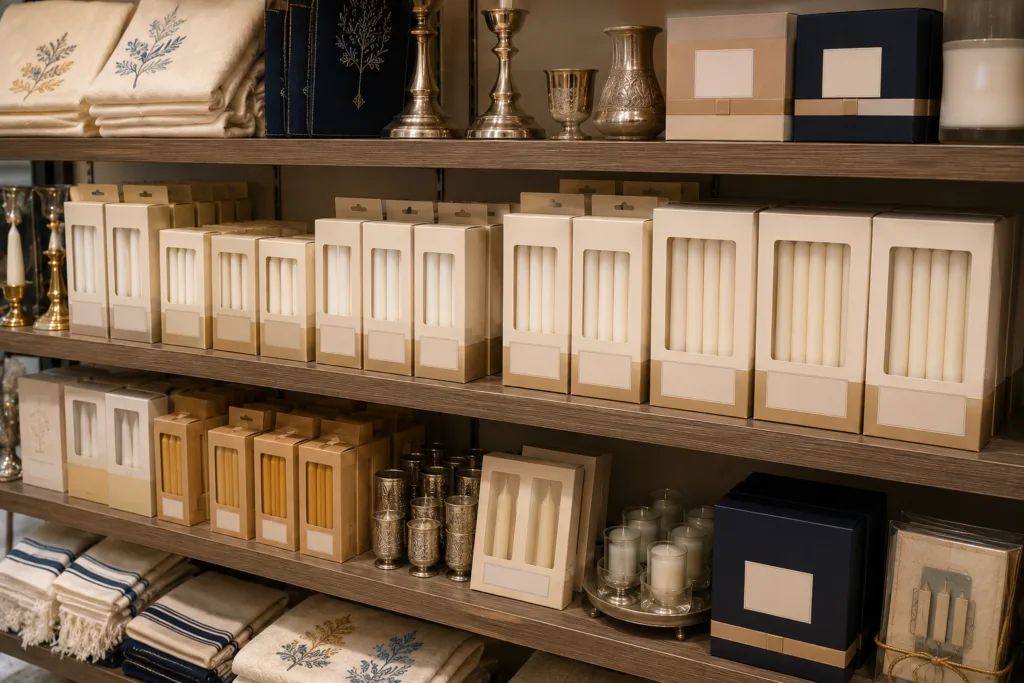
Circe Home supports private label candle development for buyers who need more than a generic candle box. We help Judaica retailers, kosher grocery suppliers, religious goods wholesalers, and online Judaica brands develop Sabbath candle programs based on wax choice, size, color, burn time, packaging, MOQ, and shipping requirements.
We can support:
- White and ivory unscented Sabbath candles
- Standard and custom candle sizes
- Paraffin, soy blend, beeswax, and plant-based wax options
- Private label retail packaging
- Bulk cartons and value packs
- Premium gift box development
- Candle holder and candle gift set concepts
- Sample development and burn testing
- Export packaging for safer international shipping
- DDP logistics support for overseas buyers
If you are planning a private label Sabbath candle line for Judaica stores, kosher supermarkets, synagogue gift shops, religious distributors, or online retail, the best starting point is a clear product brief: target market, candle size, pack count, wax preference, packaging level, order quantity, and destination country.
A well-designed Sabbath candle program should respect tradition, perform reliably, and make commercial sense for repeat retail sales. With the right supply partner, Sabbath candles can become more than a basic SKU. They can become a stable, branded, repeat-purchase category for your store or distribution business.
FAQ
1. What are the best wax options for private label Sabbath candles?
Paraffin is practical for high-volume weekly-use Sabbath candles because it offers stable forming and competitive pricing. Beeswax is better for premium Judaica gifts, while soy or plant-based blends can support eco-friendly positioning if the formula is properly tested for hardness, burn time, and shipping stability.
2. Should Sabbath candles be scented or unscented?
Unscented Sabbath candles are usually the safest choice for Judaica stores and kosher grocery retailers. Since they are used around the Shabbat table, strong fragrance may interfere with food and ritual atmosphere. Lightly scented versions can be developed as a separate modern gift line.
3. What size is best for wholesale Sabbath candles?
For everyday retail, short white or ivory Sabbath candles around 4 to 4.5 inches are commonly used because they fit many standard candlesticks and pack efficiently. Taller tapers are better for premium gift sets, formal table settings, and higher-end Judaica retail.
4. Can Circe Home develop private label packaging for Sabbath candles?
Yes. Circe Home can support private label retail boxes, family-size packs, bulk cartons, premium gift boxes, inserts, barcode labels, warning labels, and export-ready packaging for Judaica stores, kosher grocery suppliers, religious wholesalers, and online candle retailers.