
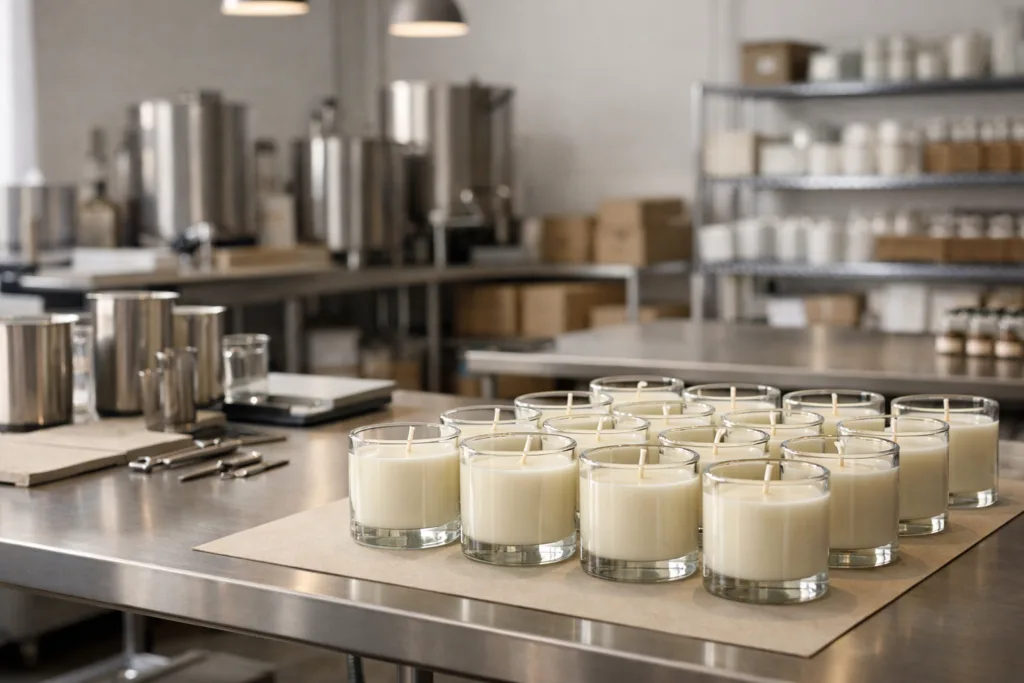
Introduction: Why Choosing the Right Manufacturer Defines Your Luxury Candle Brand
In the luxury candle market, branding alone is never enough. While visuals, storytelling, and positioning matter, the true backbone of any premium candle brand is its manufacturing partner.
Luxury candles are judged by details most consumers cannot easily articulate—but can immediately feel. The smoothness of the wax surface, the steadiness of the flame, the way fragrance unfolds over hours rather than minutes, and the quiet confidence of the vessel all signal quality. These elements are determined long before marketing begins, inside the factory where your candles are made.
Choosing the wrong manufacturer can lead to inconsistent burn performance, unstable fragrance throw, delayed timelines, compliance risks, and a slow erosion of brand trust. Choosing the right one, however, allows your brand to grow with consistency, credibility, and creative freedom.
This article is written for founders, brand owners, buyers, and sourcing managers who aim to build a long-term luxury candle brand—not a disposable product line.
1. Define What “Luxury” Means for Your Candle Brand
Before contacting any manufacturer, the most important step is defining your own version of luxury. Luxury is not a single aesthetic or price point. It is a positioning strategy.
Some luxury candle brands focus on quiet minimalism, using neutral colors, subtle scents, and restrained packaging. Others emphasize artisanal storytelling, emotional fragrance narratives, or sculptural design. There are also eco-conscious luxury brands that prioritize sustainability, transparency, and clean formulations, as well as heritage-inspired brands rooted in classical perfumery traditions.
Each positioning requires different manufacturing capabilities. A factory optimized for mass-produced glass jars may struggle with handcrafted ceramic vessels. A workshop specializing in botanical wax may not support complex fragrance layering. Without a clear definition of your luxury identity, it becomes impossible to evaluate manufacturers accurately.
Before requesting quotes, clarify your target retail price, customer expectations, visual language, and long-term brand direction. This clarity prevents misalignment and costly revisions later.
2. Fragrance Capability: The Soul of a Luxury Candle
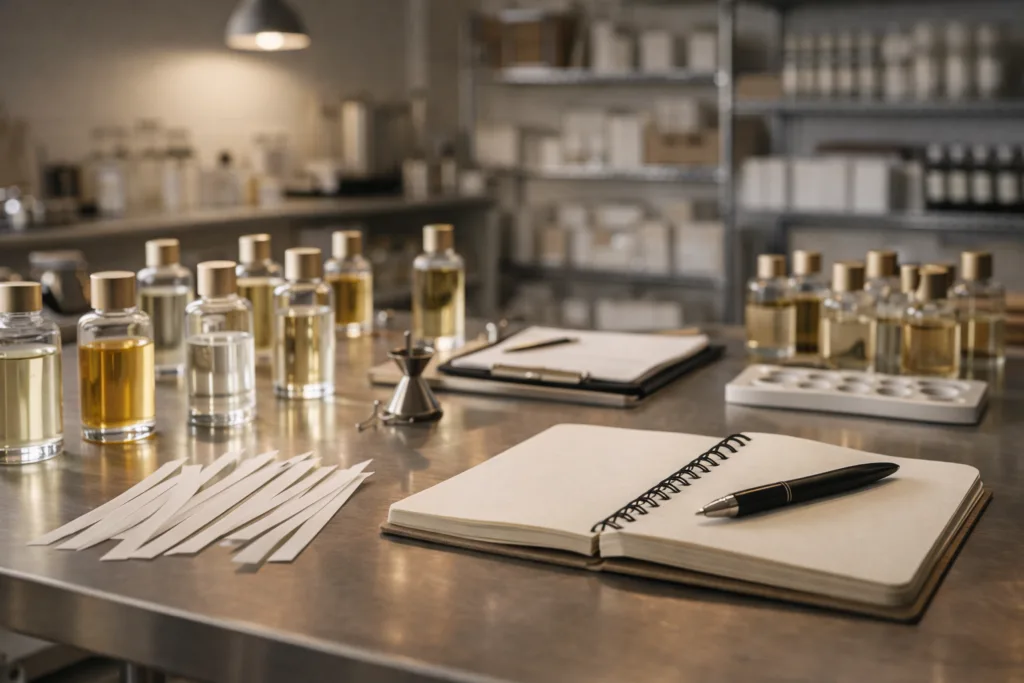 Fragrance is the most emotionally powerful element of a luxury candle. It defines how customers remember your brand long after the candle is finished.
A qualified luxury candle manufacturer should offer more than a list of fragrance names. They should demonstrate a deep understanding of fragrance structure, wax interaction, and sensory balance.
Strong manufacturers typically provide a curated library of pre-developed scents that are market-tested and compliant. These are ideal for small-batch launches and faster go-to-market strategies. More advanced partners also support semi-customization or full custom fragrance development for brands seeking exclusivity.
Equally important is technical knowledge. A professional manufacturer understands cold throw versus hot throw, fragrance load optimization, and how vessel shape and wax composition affect scent diffusion. If a supplier describes fragrance only in terms of “strong” or “light,” it often signals limited expertise.
Compliance is non-negotiable. Luxury manufacturers must understand IFRA standards and regional regulations for Europe, North America, and other target markets. Proper documentation protects both consumers and your brand reputation.
3. Wax Selection and Burn Performance
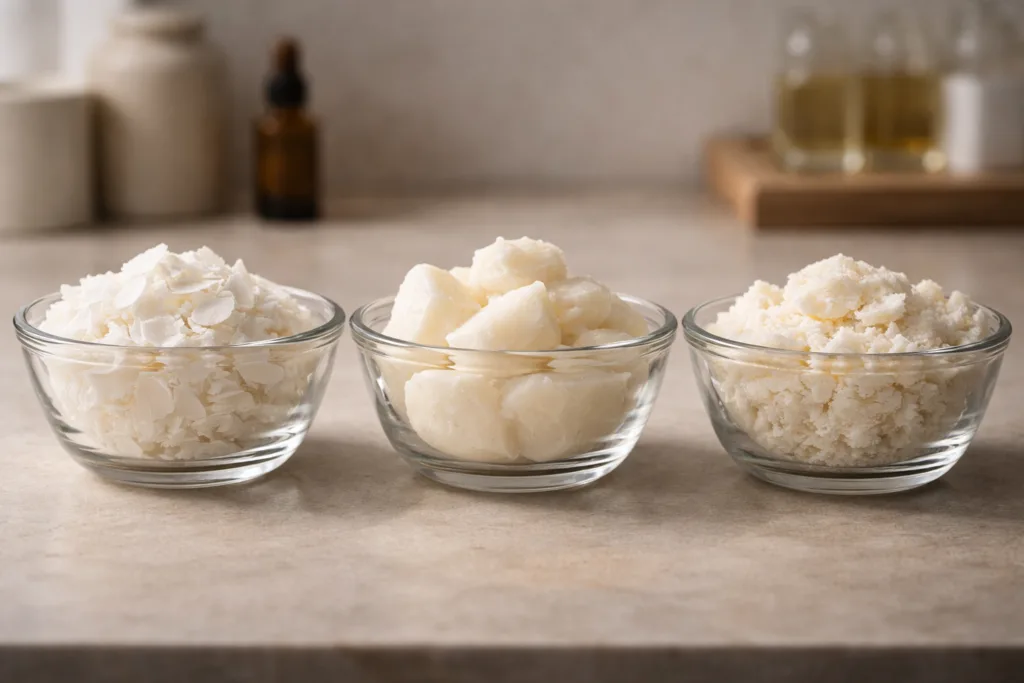 Consumers may not know the science behind wax formulations, but they immediately notice poor burn performance. Tunneling, smoking, uneven melt pools, and unstable flames quickly undermine a luxury perception.
Common premium waxes include soy wax, coconut wax, and blended formulations designed for stability and performance. However, the wax type alone does not define quality. What matters is how it is formulated, tested, and adjusted for each vessel size.
A qualified manufacturer should be able to explain how they prevent tunneling, manage fragrance load, and conduct burn testing. Luxury manufacturers proactively discuss performance and adjustments rather than offering one-size-fits-all solutions.
4. Vessels and Packaging: Luxury Is a Physical Experience
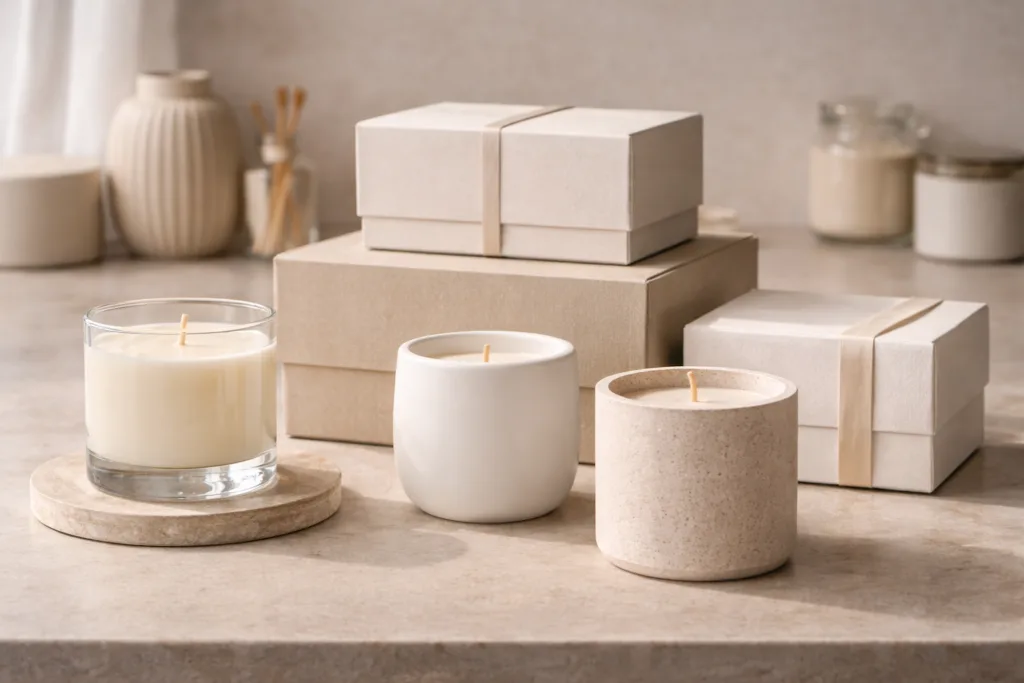 Luxury candles are not just consumables; they are objects that occupy space in a customer’s home. The vessel and packaging are part of the product experience.
Materials commonly used in luxury candles include thick glass, ceramic, stone, metal, and wood. Each material requires different handling, heat resistance considerations, and production timelines. A reliable manufacturer will guide you through material selection, explain limitations clearly, and propose alternatives when designs are impractical.
Packaging should enhance the candle, not overshadow it. High-end packaging prioritizes structure, texture, proportion, and sustainability. Over-decoration often signals insecurity rather than luxury. Experienced manufacturers help brands strike a balance between aesthetics, cost, and durability.
5. MOQ and Small-Batch Flexibility
Luxury does not always mean large volume. Many premium brands launch with small batches to test market response, manage cash flow, and refine their offering.
A suitable luxury candle manufacturer understands the importance of low-risk testing and controlled scaling. While minimum order quantity matters, attitude and process matter more. Manufacturers who support small runs with professional standards are often the best long-term partners.
6. Certifications, Export Experience, and Market Knowledge
Luxury brands frequently sell internationally. Manufacturers must understand export requirements, labeling regulations, and compliance standards across different markets.
Experienced manufacturers reduce friction by guiding brands through documentation, packaging compliance, and shipping processes. Lack of export knowledge can lead to costly delays and regulatory issues.
7. Communication Quality: The Invisible Luxury
Communication quality often determines whether a partnership succeeds or fails. Sampling stages reveal how a manufacturer handles feedback, revisions, and problem-solving.
Professional manufacturers communicate clearly, respond with structure, and explain technical decisions transparently. If communication feels frustrating early on, it rarely improves during production.
8. Long-Term Partnership Potential
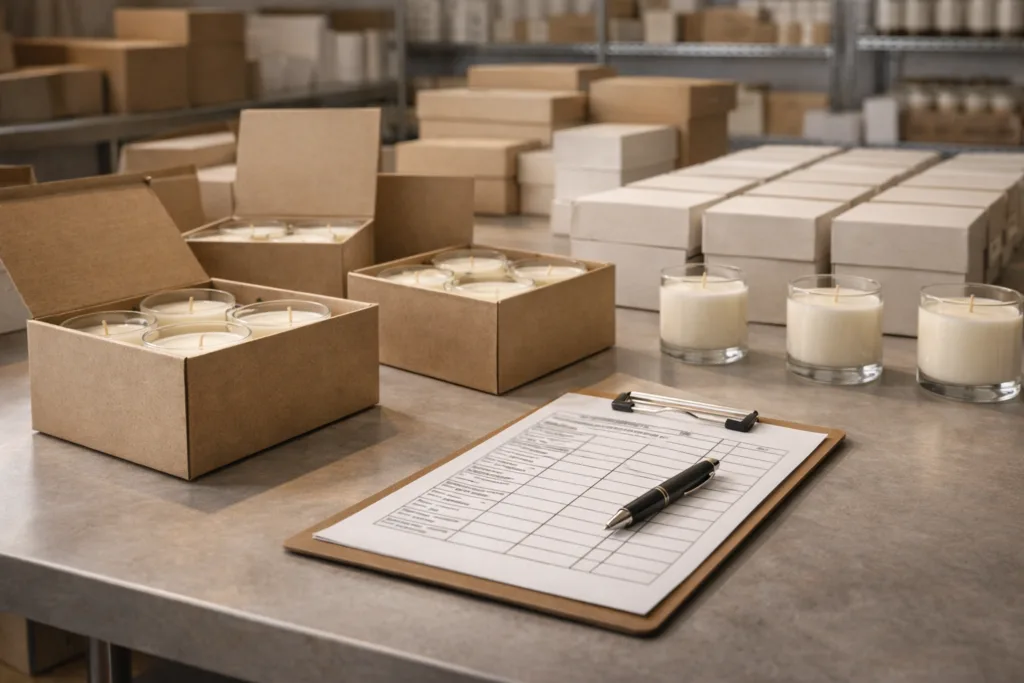 The best luxury candle manufacturers think beyond the first order. They support fragrance evolution, seasonal launches, new collections, and continuous quality improvement.
Luxury brands are built on consistency. A manufacturer who grows with your brand becomes a strategic partner rather than a transactional supplier.
Conclusion: Choose a Partner, Not Just a Supplier
Choosing a candle manufacturer for a luxury candle brand is a strategic decision that shapes product quality, brand perception, and long-term success.
The right partner protects your identity, enhances consistency, and supports creative growth. The wrong one quietly erodes trust.
Luxury is not loud. It is precise, intentional, and deeply felt.
FAQ: Choosing a Luxury Candle Manufacturer
What makes a candle manufacturer suitable for luxury brands?
A luxury-focused manufacturer offers strong fragrance expertise, consistent burn performance, refined packaging options, regulatory compliance, and clear communication. They understand brand positioning rather than focusing only on volume and price.
Should luxury candle brands start with custom fragrances?
Not necessarily. Many successful luxury brands begin with high-quality pre-blended fragrances and move toward custom development as the brand grows. Quality and balance matter more than exclusivity at launch.
What is a reasonable MOQ for a luxury candle manufacturer?
For premium brands, an MOQ of 100–300 units per scent is common for initial testing. Flexibility, process quality, and consistency are more important than the absolute number.
How important is wax type in luxury candles?
Wax type matters, but formulation and testing matter more. A well-formulated blend with excellent burn performance is more important than marketing a single wax category.
Can a luxury candle manufacturer help with packaging design?
Yes. Experienced manufacturers often provide packaging guidance, material recommendations, and production-ready solutions that align with luxury positioning.
How do I evaluate a manufacturer before committing?
Start with sampling. Evaluate burn quality, fragrance performance, communication clarity, responsiveness, and willingness to explain technical details.
Is it better to work with a factory or a studio-style workshop?
Both can work. The key is alignment with your brand’s scale, quality expectations, and growth plan. Luxury is about fit, not size.
When should I change manufacturers?
If quality is inconsistent, communication is poor, or the manufacturer cannot support your brand’s growth, it may be time to reassess. Long-term luxury brands require stable partnerships.