
High-End Scented Candles vs Luxury Candle Brands: What’s the Difference?
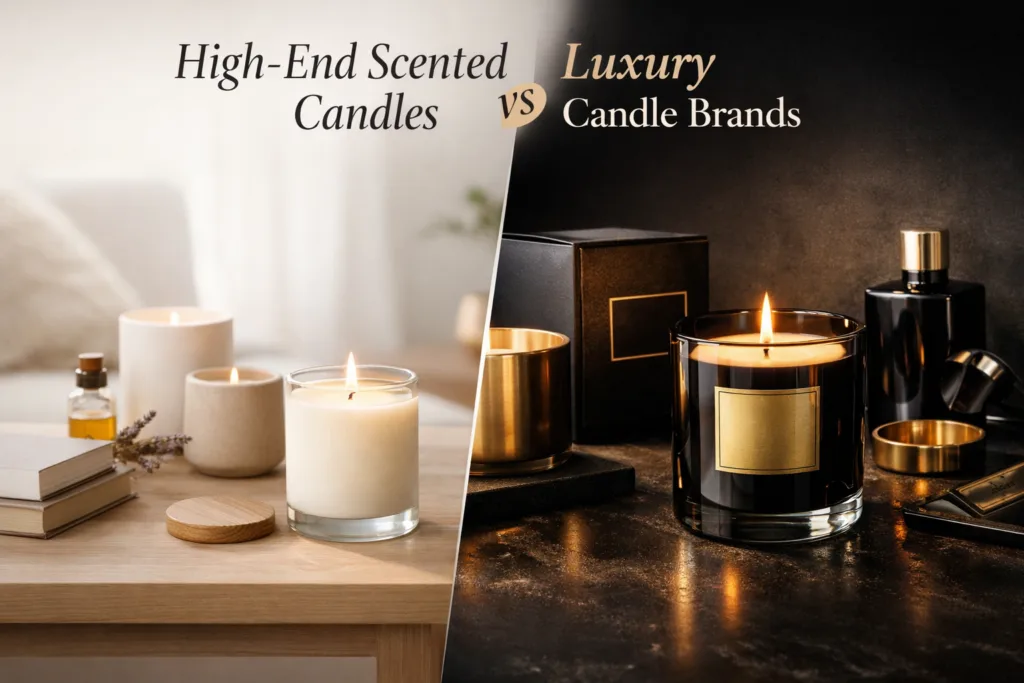 In today’s home fragrance market, the terms high-end scented candles and luxury candle brands are often used interchangeably. However, they are not the same. Understanding the difference can help you make more intentional purchasing decisions—whether you value craftsmanship, sustainability, brand prestige, or emotional experience.
This guide explores 17 essential dimensions that separate these two categories, helping you choose the candle that truly fits your lifestyle and values.
1. Understanding the Definitions
High-end scented candles focus primarily on product excellence. They emphasize premium waxes, refined fragrance oils, clean burning performance, and artisanal craftsmanship. These candles often come from niche or boutique makers who prioritize quality over scale.
Luxury candle brands, on the other hand, are defined by brand identity and status. While quality is still important, luxury brands place equal—if not greater—emphasis on heritage, storytelling, visual identity, and market positioning.
In short:
- High-end = product-first
- Luxury brand = brand-first
2. Origins and Brand Philosophy
High-end scented candles often originate from artisan studios or small-batch manufacturers. Their philosophy centers on authenticity, transparency, and continuous improvement of materials and formulas.
Luxury candle brands usually stem from fashion houses, perfume empires, or lifestyle conglomerates. Their candle lines extend an existing luxury universe into the home, reinforcing brand image rather than reinventing fragrance craftsmanship.
This difference shapes everything from pricing to ingredient sourcing.
3. Craftsmanship and Production Scale
High-end candles are typically hand-poured, produced in small batches, and carefully quality-checked. Each candle reflects the maker’s attention to detail.
Luxury candle brands rely more on scaled production, often using automated or semi-automated processes to maintain global consistency.
Neither approach is inherently wrong, but high-end candles often show more individual character, while luxury brands deliver uniformity and predictability.
4. Wax Materials and Sustainability
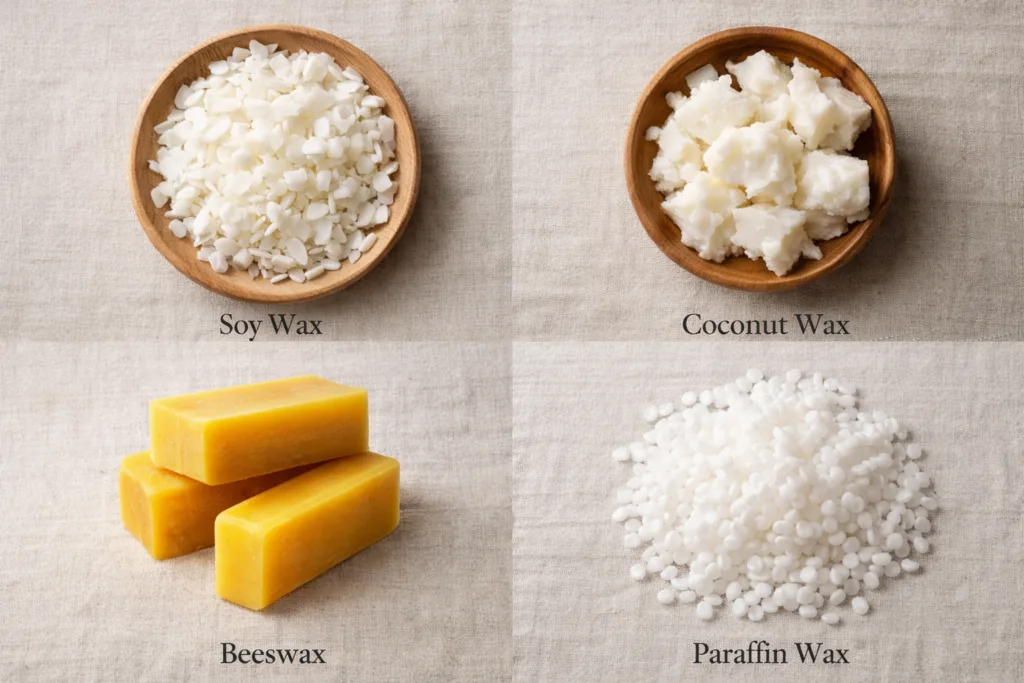 High-end scented candles usually highlight soy wax, coconut wax, beeswax blends, and paraffin-free formulas.
Luxury candle brands may still use refined paraffin blends because they are cost-efficient, scent-stable, and compatible with large-scale production.
From an environmental and health perspective, high-end candles often lead the way in sustainability.
5. Fragrance Sources and Complexity
High-end scented candles tend to use essential oil blends, IFRA-compliant fine fragrance oils, and balanced top, middle, and base notes.
Luxury brands may rely on signature fragrances adapted from perfumes, often with heavier base notes and strong brand recognition.
High-end candles feel more nuanced and evolving, while luxury scents are bold and instantly recognizable.
6. Scent Performance and Throw
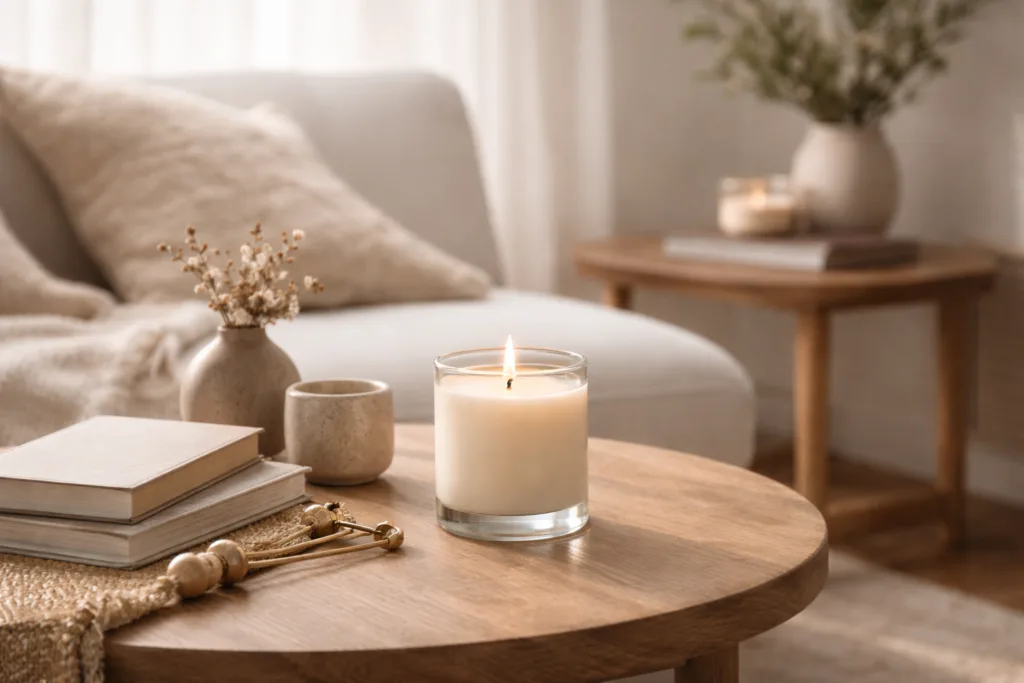 Scent throw refers to how well a candle disperses fragrance. High-end candles focus on balanced diffusion without overpowering the space.
Luxury brands often prioritize immediate impact, which can sometimes feel too strong in smaller rooms.
7. Design Aesthetics and Packaging
Luxury candle brands invest heavily in designer vessels, iconic logos, and visually striking packaging.
High-end scented candles favor minimalist elegance, material honesty, and timeless design.
One approach highlights status; the other highlights quiet refinement.
8. Branding vs Product-Centric Value
When buying a luxury candle brand, part of the price goes toward brand heritage, marketing, and retail presence.
With high-end scented candles, most of the cost is allocated to raw materials, skilled labor, and fragrance development.
9. Price Structure and What You’re Paying For
High-end scented candles prioritize ingredient quality and craftsmanship, while luxury candle brands allocate more cost to branding and packaging.
Luxury does not always mean better materials—it often means stronger brand perception.
10. Customization and Limited Editions
High-end brands often offer custom scents, private labeling, and seasonal or experimental releases.
Luxury candle brands focus on consistency and rarely offer customization.
11. Target Audience and Lifestyle Fit
High-end scented candles appeal to conscious consumers who value sustainability and subtle fragrance experiences.
Luxury candle brands attract buyers seeking recognition, design prestige, and familiar status symbols.
12. Retail Channels and Accessibility
Luxury candle brands dominate department stores, flagship boutiques, and duty-free channels.
High-end scented candles often thrive through direct-to-consumer models and curated concept stores.
13. Gift-Giving and Emotional Value
Luxury candles communicate prestige and social awareness.
High-end scented candles express thoughtfulness, personal taste, and emotional warmth.
14. Health, Safety, and Transparency
High-end candle makers often disclose wax composition, wick materials, and fragrance compliance.
Luxury brands may rely more on brand trust than detailed ingredient transparency.
15. Longevity and Burn Quality
High-end scented candles are designed for even burns, minimal tunneling, and longer burn times.
Luxury candles sometimes sacrifice burn performance for vessel design.
16. How Circe Home Bridges the Gap
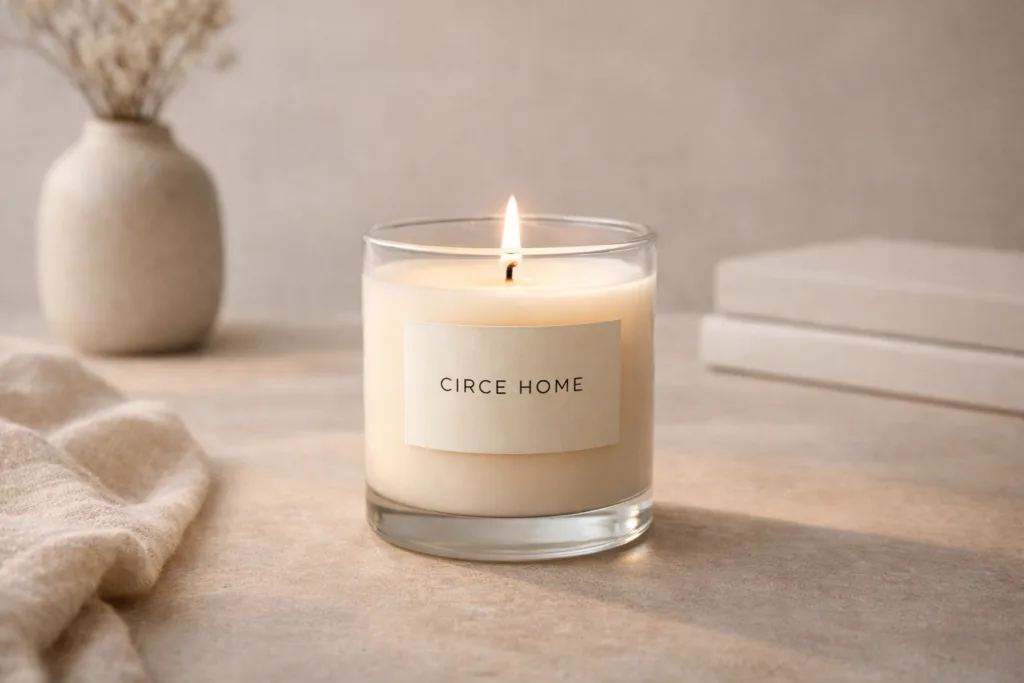 Circe Home combines high-end wax formulations, refined fragrance design, and luxury-level aesthetics—without inflated branding costs.
The result is a candle that feels indulgent yet intentional, designed for real homes and real moments.
17. Which One Is Right for You?
Choose high-end scented candles if you value ingredient integrity, subtle fragrance journeys, and sustainability.
Choose luxury candle brands if you value brand prestige, iconic design, and recognizable scents.
FAQ
Q1: Are high-end scented candles safer than luxury candle brands?
Often yes, due to cleaner waxes and greater ingredient transparency.
Q2: Why are luxury candle brands more expensive?
Because you are paying for branding, packaging, and market positioning.
Q3: Do high-end candles last longer?
In many cases, yes. Better wax and wick engineering improve burn efficiency.
Q4: Are essential oils better than fragrance oils?
Not always. A balanced blend often performs better and burns more consistently.
Q5: Which is better for gifting?
Luxury brands impress broadly; high-end candles feel more personal.
Q6: Can high-end candles feel luxurious?
Absolutely. Luxury is an experience, not just a logo.
Conclusion
High-end scented candles and luxury candle brands serve different emotional and practical needs. By understanding their differences, you can choose candles that truly enhance your space, mood, and values.