
A Complete Guide to Custom Candle Sample Orders
Developing a signature scented candle range requires more than creative vision—it demands precision, hands-on testing, and close collaboration with your manufacturing partner. A candle sample kit is an essential toolkit in this process, allowing you to evaluate waxes, scents, vessels, and finishes before launching full production. This comprehensive guide unpacks the entire candle sample order journey, from formulation to cost structure and policy nuances. Whether you’re a boutique brand or a buyer for a luxury hotel line, understanding the sample process ensures you receive candles that perfectly reflect your identity and meet your customers’ expectations.
Why Custom Candle Samples Matter
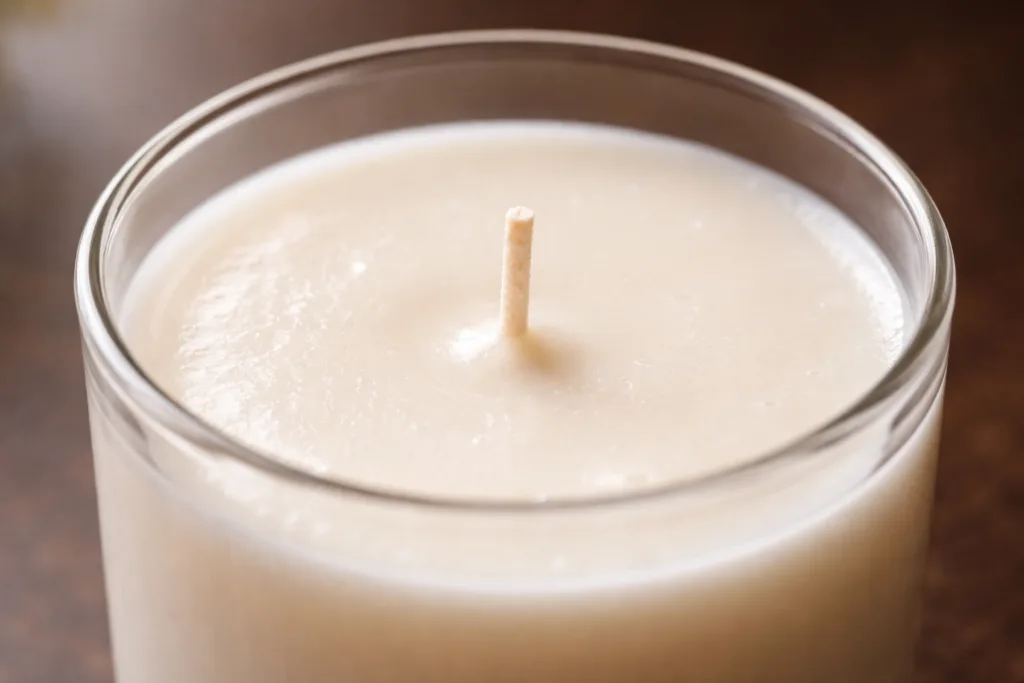
Ordering custom candle samples bridges the gap between creative concept and physical product. Through hands-on evaluation, you gain more than peace of mind—you secure control over scent throw, wax blend performance, packaging aesthetics, and regulatory viability. A well-orchestrated sample phase uncovers design tweaks, ensures safety compliance, and optimizes your offering for its final market application.
- Visual and tactile assessment (vessel color, label quality, finish)
- Cold throw, hot throw, burn profile tests
- Compliance with IFRA, CLP, and allergen declarations
- Packaging unboxing and shelf presence trial
The Custom Candle Sample Order Process
Understanding the step-by-step workflow of a candle sample order is vital for efficient communication and clear project management:
- Initial Brief: Share scent notes, vessel inspiration, wick type, and packaging style. Professional manufacturers, like Circe Home, can advise on technical suitability and finishing options tailored to your market.
- Formula Development: The R&D lab blends custom wax formulations—soy, coconut, rapeseed, beeswax, or custom blends—paired with your chosen fragrance oils or essential oils. Precise fragrance load (often 7–12% by weight, depending on blend and flash point) is determined through expertise and regulations.
- Sample Production: Small batch pouring commences. Vessels and lids receive the specified coatings, colors, and labeling. Each sample is hand-finished, and wicks are selected and sized for optimal burn in your selected vessel diameter.
- Quality Control & Compliance: Every sample undergoes micro burn tests, wick centering checks, and cold/hot throw evaluation. IFRA and CLP compliance checks are integrated as applicable for EU and global markets.
- Shipping & Evaluation: The completed candle sample kit ships for your physical review. This is your time to light-test, evaluate cold throw vs. hot throw, and scrutinize packaging ergonomics. Feedback informs adjustments before production approval.
Comparing Sample vs. Production Candles
The difference between a sample and a full production candle extends beyond scale. Samples are crafted for maximum control and flexibility, while production runs prioritize consistency and efficiency.
| Attribute | Sample Candle | Production Candle |
|---|---|---|
| Batches | Small batch (1-10 units) | Large batch (min. 200–1000+ units) |
| Wax Blends | Fully customizable per test | Standardized to approved formula |
| Fragrance Load | Tested at varying % (6–12%) | Consistent, based on tested maximum |
| Burn Testing | Individual real-time monitoring | Randomized QC sampling |
| Label & Packaging | Prototyping—digital proof or short-run print | Mass print/finishing, die-cut/emboss as standard |
| Lead Time | 5–15 days | 25–45 days |
Note: Slight differences in surface finish or scent throw can occur between small-batch and scaled production. This is why multiple sample rounds are advised for complex projects.
What’s Included in a Candle Sample Kit?
A professional candle sample kit serves as a sensory laboratory and a visual proof-of-concept. It typically includes:
- Finished candle units in chosen vessels (varied wax blends per spec)
- Fragrance blotters, micro samples in tins, or wax melt for cold throw evaluation
- Printed packaging samples (labels, boxes, inserts—digital or offset)
- Technical datasheet (wax type, fragrance loading %, compliance notes)
- Optional: “Fragrance library” with fragrance oil vials for further selection
Circe Home Lab Insight: “Sampling is more than R&D—it’s your chance to experience clean burn, cold and hot throw, and wax clarity before launch. Don’t skip wax compatibility or compliance reviews.”
Candle Sample Cost Breakdown
Sample costs reflect flexible production, custom ingredient sourcing, and manual finishing time. For most custom candle projects, expect these tiers:
- Base sample fee: Charged per configuration (e.g., $60–$300 depending on wax, vessel, fragrance complexity, and packaging finish).
- Shipping fee: Courier cost, variable by destination and sample kit weight (often $40–$120, billable upfront or prepaid by recipient).
- Setup fee for custom molds or special vessels: Applies only if tooling or exclusive glass is required, often deductible from final orders above a set MOQ.
Why Samples Cost More
Sample production isn’t simply miniaturized mass manufacturing. Waxes and fragrance oils may be procured in smaller, non-bulk quantities, containers sourced as short-run or digital prototypes, and each candle is hand-poured and finished. The premium also covers detailed lab reporting and direct feedback iteration.
Sample Offset & Deduction Policies
Leading manufacturers, including Circe Home, support buyers with offset policies. Sample cost can often be deducted—in full or part—against a future bulk order exceeding the factory’s MOQ. For example, the sample fee for three scent variants may be fully reimbursed once you confirm a 1,000-unit order and provide commercial production sign-off. Be sure to clarify timing and thresholds in your supplier agreement.
Common elements of sample offset policies include:
- Offset threshold: Total sample charges are offset if your first production order meets or exceeds the set MOQ (e.g., 500–1,000 units).
- Partial offsets: If your order is below MOQ, partial deduction (e.g., 50%) may apply.
- Time limit: Offset typically available if production order is placed within 3–6 months of sampling.
Quality Control During Sampling
Robust quality assurance during sampling is critical to avoid costly errors in main production:
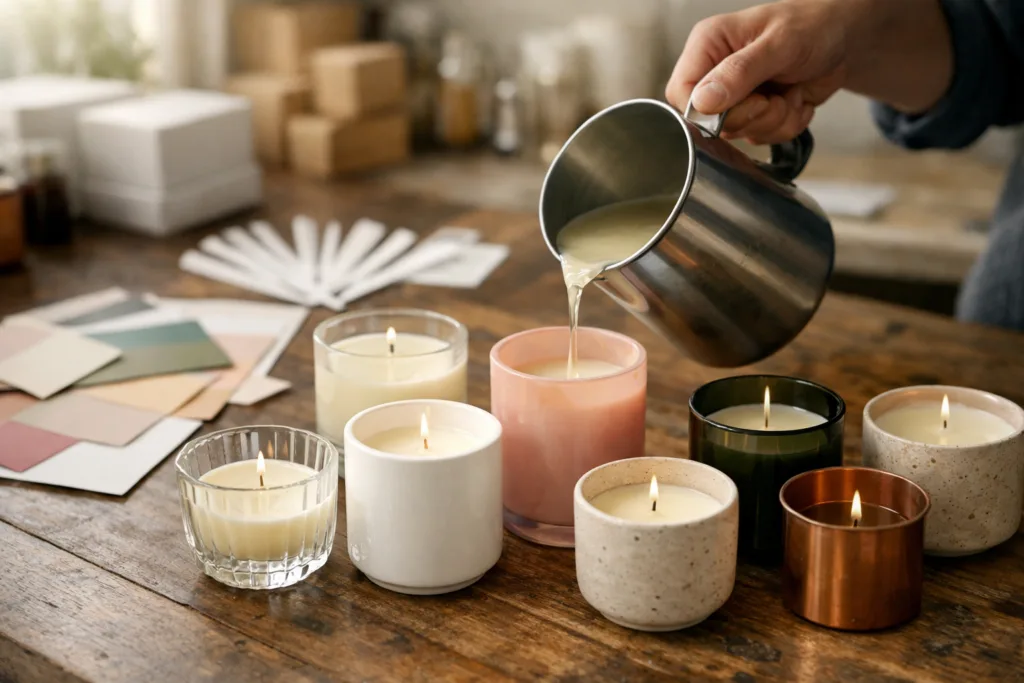
- Burn tests (35+ hour standard for 200g candle, wick centering within ±2mm)
- Fragrance consistency (cold and hot throw within 10% of target)
- Visual criteria (no frosting for soy wax, no sinkholes, smooth top)
- Regulatory compliance (IFRA certificate, GHS, CLP declarations as required)
- Packaging fit and finish inspection (label print fidelity, emboss, varnish test)
Share direct, structured feedback on each criterion—consider using a review form for burn performance, aesthetic details, and fragrance impression. This tightens sample-to-production alignment.
Regulatory & Sustainability Considerations
Both sample and production candles must adhere to international safety and environmental guidelines. Sample packs are the ideal moment to test labeling, allergen declarations, and documentation. For custom luxury or wellness brands, review:
- IFRA 51st Amendment compliance for all fragrance systems
- CLP labeling for EU-bound candles (hazard pictograms, phrase accuracy)
- Material traceability for eco packaging (FSC cartons, soy inks, biodegradable fillers)
- Refill format trial (if applicable, assess vessel fit for refill inserts)
- Soot index and burn emissions reporting
Premium Wax Blend Comparisons
| Wax Type | Scent Throw | Burn Time (200g) | Curing Time | Visual Finish |
|---|---|---|---|---|
| Soy Wax | Strong, creamy, soot-free | 38–40 hrs | 5–7 days | Satin, susceptible to frosting |
| Coconut Blend | Very strong, clean, complex | 36–41 hrs | 4–6 days | Creamy, glassy surface |
| Rapeseed Blend | Moderate, subtle, very clean | 35–39 hrs | 7–9 days | Smooth, natural |
| Beeswax Blend | Natural honey notes, gentle throw | 45–48 hrs | 3–5 days | Soft yellow, gloss |
Choosing the right wax blend during sampling optimizes scent development and burn profile for your target clientele.
Applications for Custom Candle Sample Kits
Candle sample kits are a critical investment for any business segment where scent, finish, or packaging drive premium positioning. Leading use cases include:
- Luxury private-label retail: Multi-variant scent testing for seasonal collections or brand launches
- Hospitality and spa: Ensuring scent intensity suits space size and burn time matches room turn cycles
- Wellness and aromatherapy: Essential oil compatibility, allergen transparency, batch testing for sensitive clients
- Home décor brands: Vetting container finishes, label brilliance, and overall shelf appeal
Maximize your sample phase by staging ambient burn tests in natural and controlled indoor environments, soliciting feedback from key buyers, and adjusting your commercial specs accordingly.
Tips for a Successful Custom Candle Sampling Experience
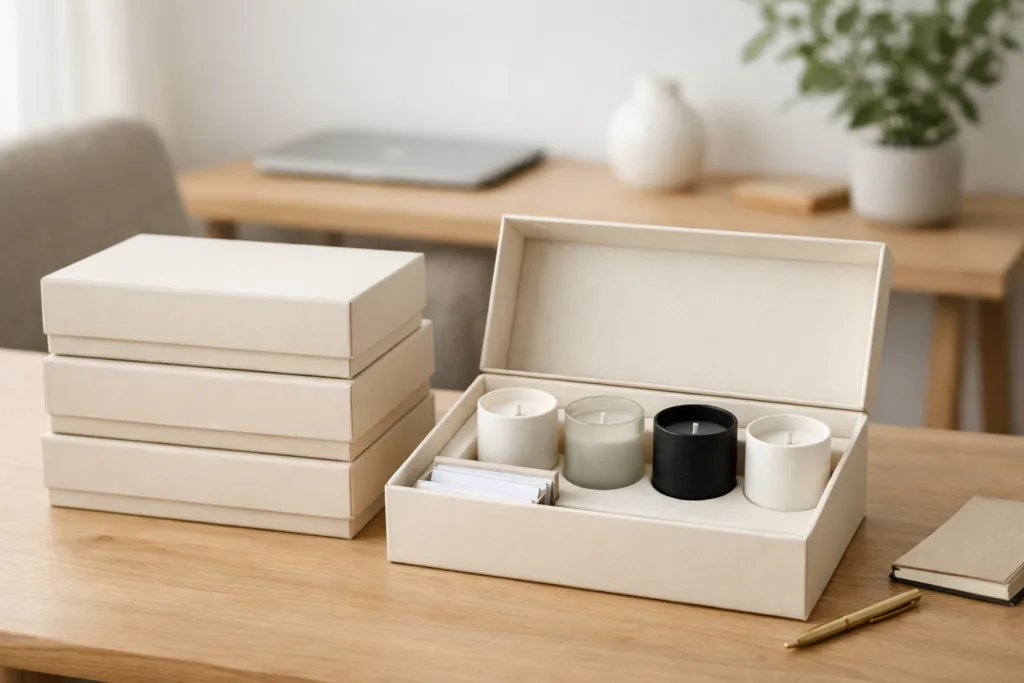
Ensure your custom candle sampling process leads to production success with these expert tips:
- Communicate clear market positioning, fragrance direction, and aesthetic inspiration at the outset.
- Test multiple wax-blend + fragrance combinations to optimize scent throw and burn time.
- Document all sample feedback in detail—scent notes, burn anomalies, packaging fit, label clarity.
- Verify regulatory documentation (IFRA, CLP, MSDS) before final sign-off.
- Clarify sample deduction policies to ensure cost efficiency in bulk order transition.
- Leverage expert partners like Circe Home for technical guidance and regulatory strategy.
Frequently Asked Questions
What is included in a custom candle sample kit?
A typical candle sample kit contains finished candles in selected vessels, fragrance and wax variants, packaging proofs, and technical datasheets for you to evaluate.
How much do custom candle samples cost?
Sample costs range from $60 to $300 per configuration plus shipping, depending on wax type, vessel, fragrance complexity, and custom packaging requirements.
Is the sample fee deductible from my production order?
Most manufacturers, including Circe Home, deduct the sample fee (fully or partially) if you place a minimum production order after approving your samples within a set timeframe.
How long does it take to receive custom samples?
The lead time for custom candle samples is typically 5 to 15 days plus shipping, depending on materials availability and R&D requirements.
Will the production candles match the approved samples exactly?
Production candles closely match approved samples but may show slight finish or scent variations due to scaling. Robust feedback and QC testing minimize discrepancies.
What is the difference between cold throw and hot throw?
Cold throw is the fragrance detectable when a candle is unlit, while hot throw is the aroma released as the candle burns, both tested during sample evaluation.