
The Core Components of Custom Candle Pricing
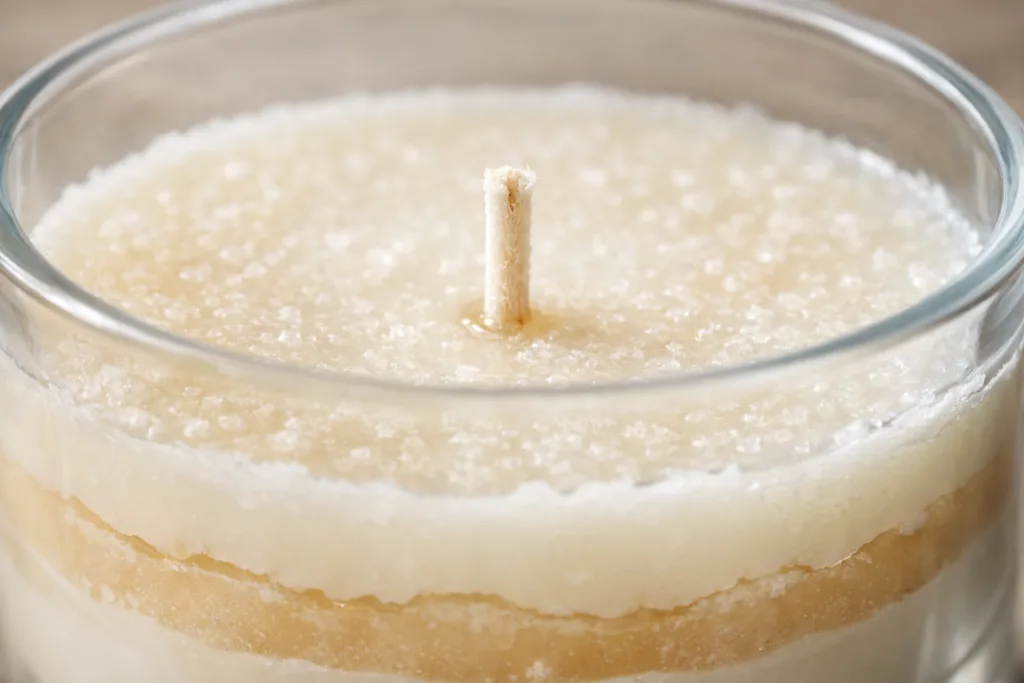
Every custom candle order is a unique equation. Manufacturers such as Circe Home use detailed cost models that blend careful material selection, precise labor allocation, and stringent quality controls. Whether you’re seeking minimalist chic or opulent, multi-layered designs, your end price is shaped by a sequence of tangible cost contributors. Let’s break down each tier:
- Material costs: vessel, wax, fragrance, and packaging
- Labor and equipment
- Sampling and prototyping fees
- Shipping and damage risk
- Packaging upgrades and finishing details
Material Cost Breakdown: From Glass to Fragrance
Material costs form the backbone of your custom candle price. Each decision impacts performance, aesthetics, and compliance:
Vessels & Containers
Choices include glass jars, ceramic tumblers, metal tins, and concrete forms. Factors affecting cost:
- Material: Glass is versatile and affordable, while ceramics and custom shapes demand higher tooling and minimum order quantities (MOQs).
- Decoration: Painted, frosted, embossed, or foil-topped vessels carry a premium, especially for intricate artwork or logo placement.
- Sourcing: Responsibly sourced and FSC-certified options are valued, but may bring additional lead time and surcharge.
Candle Waxes & Blends
Wax directly influences burn performance, scent throw, and visual appeal. Here’s a comparative look:
| Wax Type | Scent Throw | Burn Time | Cost |
|---|---|---|---|
| Soy | Strong & Clean | Long | Mid |
| Coconut | Delicate, Creamy | Long | High |
| Beeswax | Natural, Subtle | Longest | Highest |
| Paraffin | Very Strong | Short-Mid | Low |
| Custom Blends (e.g., soy-coconut) | Balanced | Varies | Mid-High |
Fragrances & Essential Oils
Scent is the signature of any luxury candle. Costs fluctuate based on the origin and concentration of oils, IFRA/CLP compliance, and the desired fragrance load (% by wax weight). Essential oils cost more and have limited max loads, while high-quality fragrance oils offer bolder cold and hot throw, with careful allergen disclosure for European and US markets.
Packaging Details
Outer boxes, inner fitments, and luxury finishes can signal a premium product. Options like magnetic closures, uncoated vellum papers, embossing, hot foil, UV spot varnish, and recycled content all contribute to per-unit cost. Even the selection of soy ink or FSC cartons reflects both story and spend.
Labor and Equipment Cost Factors
Artisanal candle making, especially at low to mid MOQs, is highly labor intensive. Costs depend on:
- Wax melting and blending cycles (single- or multi-phase blending)
- Hand pouring versus automated lines (impacting consistency and throughput)
- Wick centering, trimming, and QC checks to avoid off-center burns or soot formation
- Label and packaging application (manual vs. semi-auto)
- State-of-the-art equipment amortization (necessary for clean-room or allergen-free production lines)
Sampling and Prototyping: The Upfront Investment
Before production, most manufacturers charge sampling or prototyping fees. This upfront investment covers:
- Custom fragrance and wax blend testing, with multiple curing time evaluations for both cold and hot throw
- Trial pours in final vessels to assess wick sizing, burn profile, and visual finish
- Short-run packaging mockups, including die-line adjustment and material swatch approvals
Fees may be recouped if a full production order proceeds, but expect tiered pricing for more complex projects.
Freight, Shipping, and Breakage: Hidden Cost Multipliers
Candles are fragile and heavy. Shipping costs are shaped by:
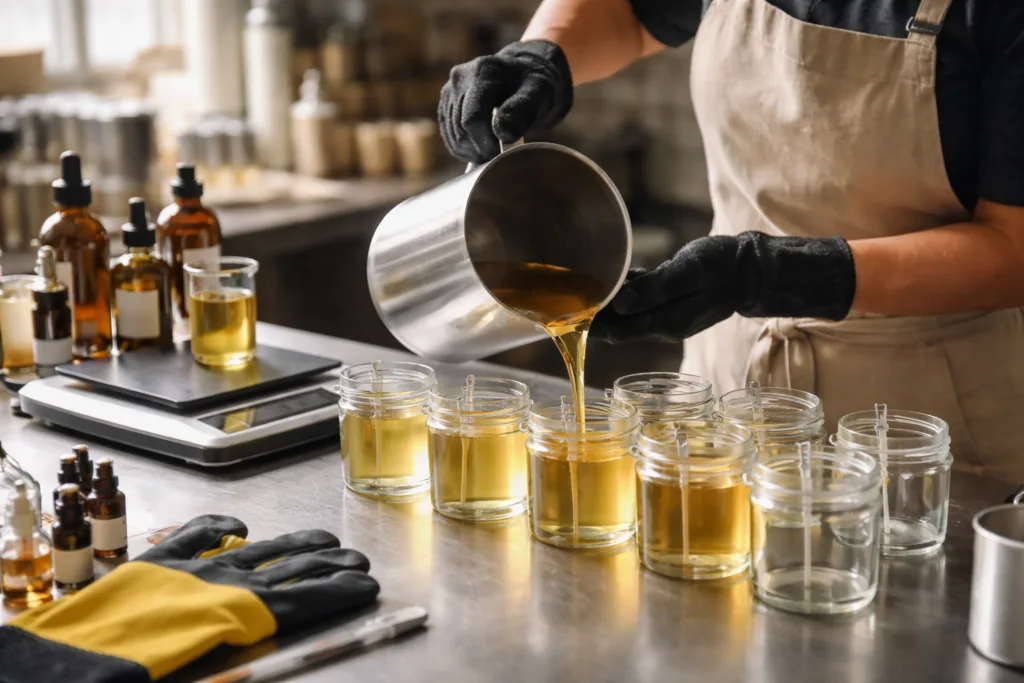
- Full-container vs. pallet vs. air shipment (bulk freight offers savings over small express)
- Protective packing: custom-fit inners, corners, or foam, essential to minimize transit losses
- Expected breakage rates, often factored as 1–3% in quotes
- Regional tariffs and destination-specific safety testing (especially for EU, UK, and North America)
Circe Home Lab Insight:
Complex, multi-layered packaging and larger-format glass jars see the highest breakage rates unless extra packaging is adopted—not just for protection, but to reinforce perceived value when opening.
How High-Spec Packaging Impacts Your Unit Price
Elegant, custom packaging is an immediate price amplifier. The reason? Luxury boxes and specialty finishes require costly materials, multiple production steps, and low-waste tolerances—especially in small runs. Key cost drivers include:
- Box type: rigid (set-up) boxes trump folded cartons for premium feel but double or triple per-unit expense
- Finishes: magnetic lids, foil seals, and custom inserts for secure fit and brand storytelling
- Multi-component printing: layered artwork, PMS color matching, and embossed logo treatments increase both setup and run cost
- Material selection: textured paper stocks, recycled content, and unique coatings are all valued by luxury buyers but require material sourcing and specific handling
OEM Candle Price Quotes: Demystifying the Process
OEM (original equipment manufacturer) candle pricing is transparent when you know what comprises your per-unit quote. Expect detailed line-item breakdowns covering:
- Wax blend, fragrance oil (by type, % load, and source), vessel unit cost
- Wick (material, size, and testing data)
- Primary and secondary packaging, inserts, and accessories
- Labor, equipment amortization, and QC testing
- Compliance documentation (IFRA, CLP, SDS, allergen statements)
- Freight on board (FOB) or delivered terms, including expected breakage
Manufacturers like Circe Home also offer compliance support—a crucial added value when launching in regulated markets.
Accurate Candle Production Costing: Steps and Assumptions
Manufacturers follow a systematic process to quote accurate candle production cost. The typical sequence:
- Define product specs: wax, fragrance, vessel, burn time
- Calculate all raw materials by batch, using actual yield and expected overfill
- Apply latest material purchase prices and labor rates
- Add packaging and finishing operations
- Factor in quality control, wastage (spillage, test burns), and compliance steps
- Include logistics, breakage margin, and destination-specific fees
Key factors like max fragrance load, curing time, wax compatibility with essential oils, and vessel approval are all cross-checked before committing to scale. For example, a 200g soy-coconut candle may require a unique wick and longer cool-down to ensure optimal scent throw and a soot-free finish.
Custom Candle Pricing: How Manufacturers Calculate Your Costs
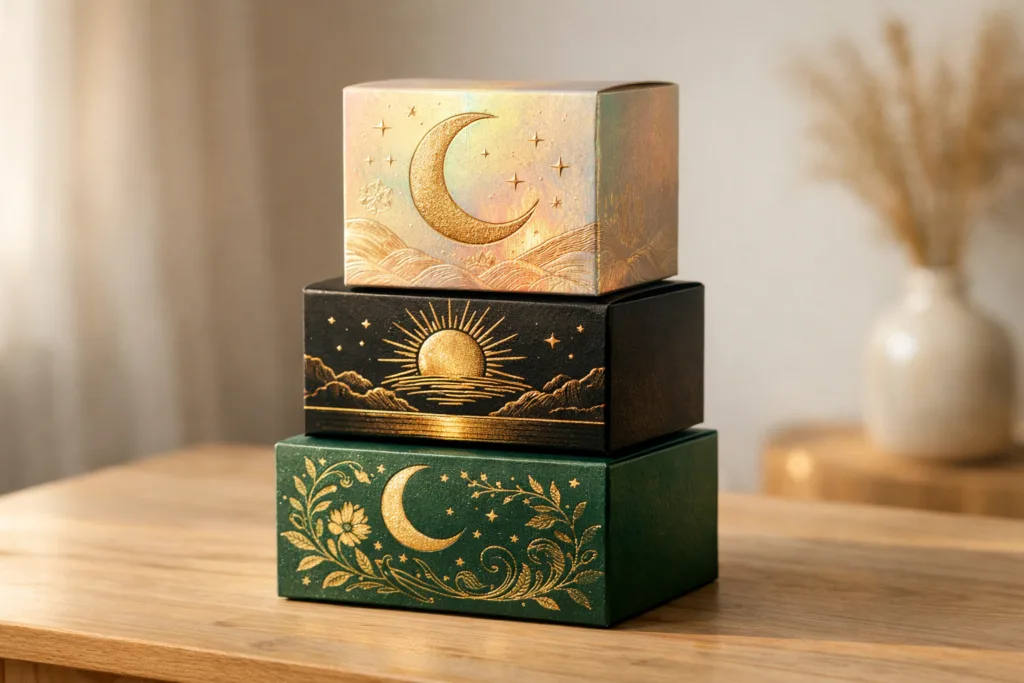
Understanding how your manufacturer builds your price unlocks better negotiation, cost management, and design choices for your private label line. By dissecting each cost component—vessel, wax blend, fragrance, packaging, and labor—you ensure that every dollar brings genuine, scalable value to your finished candle. For those seeking ultra-premium, responsibly produced options, collaborating with expert OEMs is key to balancing aesthetics, scent performance, and compliance in a challenging global market.
Frequently Asked Questions
What factors most affect custom candle pricing?
Material selection, vessel type, fragrance load, packaging complexity, labor intensity, and compliance all significantly impact per-unit pricing in custom candle manufacturing.
How do fragrance oils and essential oils differ in pricing?
Essential oils are typically more expensive with lower max load percentages, while fragrance oils allow for stronger scent throw and wider formulation flexibility at a lower cost.
Why does luxury packaging increase candle costs so much?
Premium boxes, specialty finishes, and complex prints require costly materials, manual processing, and strict quality control, all of which raise per-unit costs dramatically.
What is a typical MOQ for custom candles with unique décor?
Most manufacturers set MOQs between 500 and 1,000 pieces per SKU for decorated vessels or custom packaging due to setup, sourcing, and process economics.
How do manufacturers control candle quality and performance?
Quality is maintained through test burns, scent load validation, wick sizing, centering checks, and compliance-driven documentation for each production batch.
Can Circe Home support fragrance compliance for global markets?
Yes, Circe Home provides IFRA/CLP-compliant fragrance development, allergen declarations, and full regulatory support tailored for your market and packaging requirements.