
Understanding Glass Jar Candle Costs: A Comprehensive Breakdown
Analyzing the cost breakdown for glass jar candles is essential for aspiring entrepreneurs and established brands seeking entry into the premium candle market. From wax selection to final packaging, each component shapes both the startup cost and the long-term viability of your candle business. Whether you are evaluating your first production run or seeking margin optimization, this guide unpacks the real numbers behind high-quality glass jar candles and gives you actionable insights for launch and scaling.
Cost Breakdown for Glass Jar Candles
The true cost of manufacturing glass jar candles extends beyond wax and fragrance. It involves a complex interplay of raw materials, labor, compliance, and logistics. For brands focused on refined scent experiences and a clean burn profile—such as Circe Home—optimizing every detail is crucial for balancing quality with profitability.
- Raw Materials: wax, fragrance, wick, container, labels
- Production: blending, pouring, curing, testing
- Packaging: primary and secondary, labeling, inserts
- Compliance: IFRA, CLP, safety labeling
- Overhead: labor, equipment, warehousing
Evaluating Wax Blends: Performance vs. Price
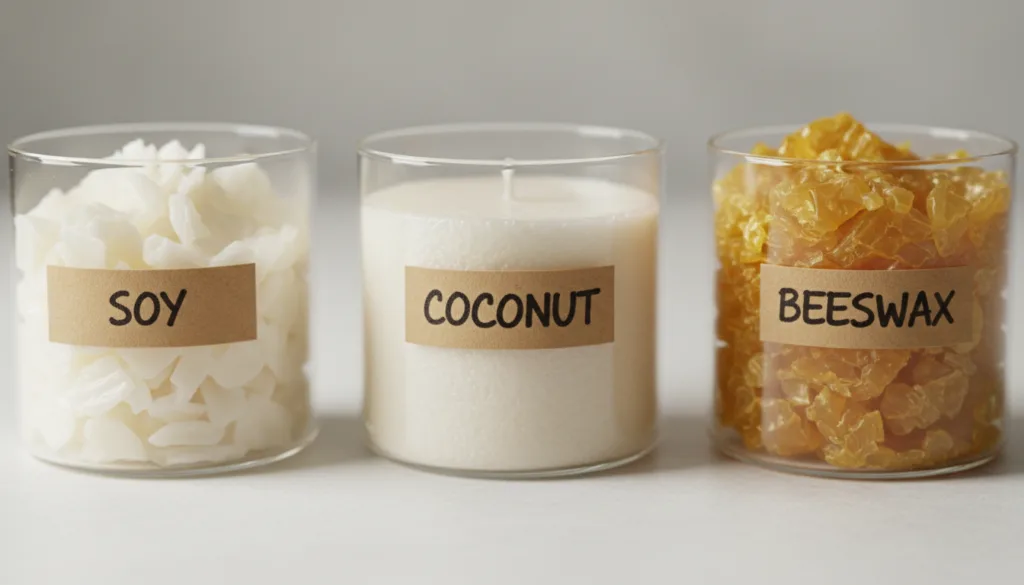
The choice of wax dramatically affects the cost, performance, and sensory appeal of glass jar candles. Different blends—soy, coconut, rapeseed, beeswax, and paraffin—offer unique price points and burn characteristics.
| Wax Type | Cost per 1kg (USD) | Max Fragrance Load (%) | Burn Time (200g) | Clean Burn Profile |
|---|---|---|---|---|
| Soy Wax | $3.60–$4.20 | 8–10% | 38–45 hrs | High, minimal soot |
| Coconut Blend | $6.00–$7.50 | 10–12% | 40–48 hrs | Excellent, low soot |
| Beeswax | $9.20–$11.00 | 6–8% | 45–52 hrs | Premium, virtually soot-free |
| Paraffin | $2.40–$3.00 | 6–8% | 32–38 hrs | Moderate, may soot |
Your wax selection impacts fragrance compatibility, visual appearance (frosting risk, opacity), and overall startup cost. Brands like Circe Home analyze blend features—such as flash point, maximum fragrance load, and melt profile—to design candles that deliver a consistent, elegant burn.
Glass Jars: Aesthetic, Durability, and Pricing
The vessel not only defines your brand’s visual appeal, but also significantly affects production cost. Common options include straight-sided tumbler, apothecary, frosted, colored, or custom-embossed jars. Base costs typically range from $0.60 to $2.80 per jar, depending on shape, wall thickness, and quantity ordered.
Cost Factors for Glass Containers
- Raw glass pricing and MOQ
- Custom coloring, coatings, or embossing
- Lid type: wooden, metal, silicone-seal
- Packing (individual bubble wrapping, shrink bands)
Tips for Cost-Efficiency
- Select standard glass shapes for initial production to reduce mold fees
- Order in bulk to benefit from tiered pricing
- Verify breakage rates during shipping and factor replacements into COGS
Fragrance Systems: Essential Oils vs. Fragrance Oils Cost
Fragrance selection is at the heart of luxury candle differentiation. Essential oils will typically cost $60–$180/kg, while bespoke fragrance blends average $30–$65/kg depending on complexity and IFRA compliance. Maximum fragrance load is dictated by wax chemistry and safety guidelines, impacting the per-candle scent cost—generally 5%–12% of net weight. Cold throw and hot throw performance, allergen declarations, and compatibility with natural waxes add another layer of technical rigor and cost consideration.
Calculating Per-Candle Fragrance Cost Example
- 200g soy wax candle, 10% fragrance: 20g fragrance per candle
- Fragrance at $50/kg: 20g × $0.05/g = $1.00 per candle
“Circe Home Lab Insight: Key to maximizing scent throw while controlling cost is selecting fragrances with high volatility and maximizing wax compatibility, ensuring both intensity and IFRA safety.”
Wicks, Burn Profile, and Soot-Free Standards
The right wick determines both the candle’s performance and operational cost. Options span cotton (braided or flat), wood (crackling, single-ply), and paper-core. For a 200g glass jar, wick cost generally ranges $0.10–$0.32 depending on material and treatment. Wax blend, vessel diameter, and desired flame height all impact wick sizing—which must be rigorously tested for mushrooming and soot generation risks. Improper wick selection can ruin both customer experience and profit margins.
Wick Selection Considerations
- Burn time (target: 35–50 hours for standard jars)
- Fragrance oil compatibility (avoid clogging)
- Trim length and centering for even melt pool
Packaging, Labeling, and Safety
Secondary costs—such as outer box design, label printing, and safety inserts—add both protection and perceived value to glass jar candles. Premium options: rigid setup boxes, foil stamping, cotton drawstring bags, or FSC-certified cartons. Label selection (gloss, matte, transparent, or foil) further influences cost: standard labels may cost $0.11–$0.28, while specialty finishes run up to $0.65 each. Don’t overlook regulatory labelling, such as CLP pictograms for EU-bound products, and safety warnings. Compliance failures can have steep fines.
Production Process and Labor Inputs
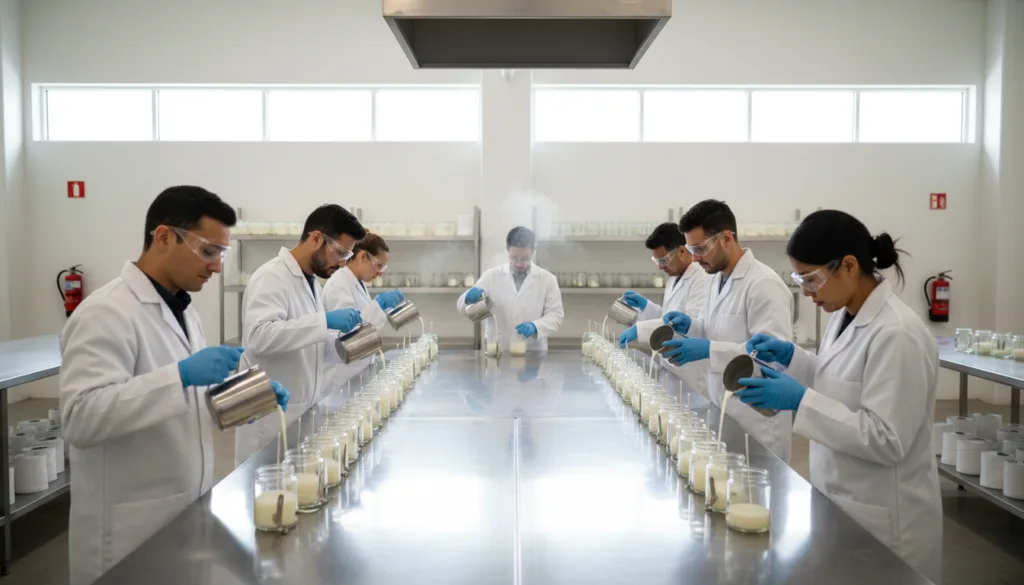
Manufacturing glass jar candles involves tightly controlled steps: bulk wax melting, fragrance blending at precise temperatures, hand or automated pouring, wick centering, slow cooling to prevent sink holes, and room curing for optimum hot throw. Startup operations with manual processes will experience higher unit labor cost ($0.45–$1.15 per candle), while scale allows efficiency via automation and trained production teams. Labor input also covers batch testing, QC checks, and COGS calculation for batch records.
Core Production Steps
- Prepare and clean glass vessels
- Secure wick in center of jar base
- Melt wax and incorporate fragrance to precise percentage
- Pour blend at controlled temperature to minimize air bubbles
- Cool and cure candles (typically 5–10 days with high fragrance loads)
- Label, box, and finalize for shipment
Quality Control Checklist
- Wick alignment and centering tolerance (<2 mm deviation)
- Wax surface smoothness and absence of sink holes/frosting
- IFRA compliance and batch-specific CLP documentation
- Burn profile test: flame consistency, soot levels, scent throw
Startup Cost Projection: Launching Your Glass Jar Candle Brand
Startup cost depends on order volume (MOQ), customization levels, and required equipment. A typical cost projection for a small-batch launch (1,000 candles, 200g each) is as follows:
- Material cost (wax, fragrance, jar, wick, label, box): $3.10–$6.50/candle
- Labor and overhead: $0.60–$1.25/candle
- Compliance and batch testing: $600–$1,400 total
- Basic equipment (double boilers, pouring pitchers, scales, wick stickers): $1,200–$2,800 (one-time)
- Design and prototyping: $900–$2,200
- Total first-run budget: $6,800–$12,500 (excluding marketing, shipping, and taxes)
Advanced options such as custom glass molds, high fragrance load testing, and luxury packaging will increase both the upfront investment and perceived value for end customers. Aligning your cost structure with your chosen target market (wellness, gifting, premium retail) is essential for sustainable margins.
Compliance, Sustainability, and Long-Term Savings
Modern consumers and retailers expect rigorous compliance with IFRA standards (currently 51st amendment), CLP labeling for the EU, and sustainability features—such as FSC packaging, soy inks, and optional refills. While eco-options can add 5–15% to material costs, transparent compliance and green initiatives foster customer trust and streamline entry into export markets.
Sustainability Strategies for Cost Control
- Source bulk wax from RSPO or eco-certified suppliers
- Use post-consumer recycled glass jars when possible
- Implement soy-based or compostable labels
- Develop refill programs for recurring revenue
Optimizing Margins and Scaling Your Candle Business
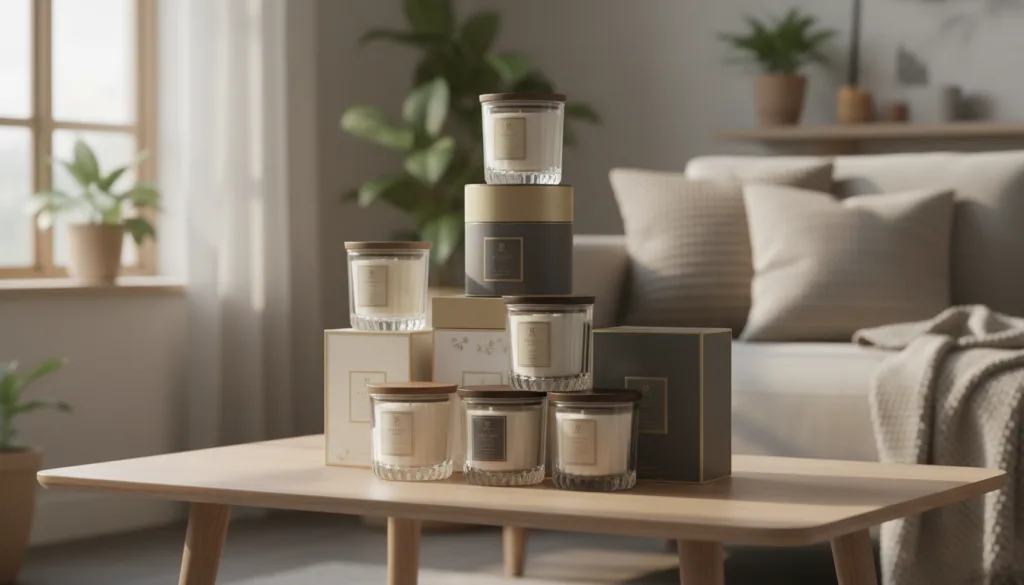
Margins for glass jar candles typically range from 40%–70% retail, depending on market position and cost control. Improving scale, refining fragrance load accuracy, and reducing packaging waste all boost profitability. Luxury manufacturers such as Circe Home support startup candle brands with custom fragrance development, regulatory support, and bulk procurement strategies to help ensure sustainable, premium product lines.
Whether you are launching a wellness brand or a minimalist home décor range, keeping a precise handle on each input—from wax blend to CLP label design—empowers you to deliver a memorable, high-margin scented candle experience at market scale.
Frequently Asked Questions
What is the most expensive component in glass jar candle production?
Typically, fragrance materials or custom glass vessels represent the highest per-unit cost, especially for luxury blends or specialty jars.
How do I calculate my true cost per candle?
Add total costs for wax, fragrance, wick, jar, packaging, labor, and compliance, then divide by the number of finished candles in that batch.
What’s the minimum order quantity for custom glass jars?
MOQs for custom jars start at 3,000–5,000 pieces, but off-the-shelf options allow lower quantities for initial runs.
How can I ensure my glass jar candles are soot-free?
Select the right wick type and size, match fragrance load, and test burn profiles to minimize soot and ensure a clean burn.
What are the key compliance certifications needed?
IFRA compliance for fragrance, CLP labeling for EU, and batch safety testing documentation are vital for premium candles.
How long does it take to cure glass jar candles for optimal scent throw?
Curing time varies by wax blend and fragrance load; most glass jar candles reach optimal scent between 5 and 14 days after pouring.