
Why Candle Vessel Selection Is Foundational for Your Brand Style
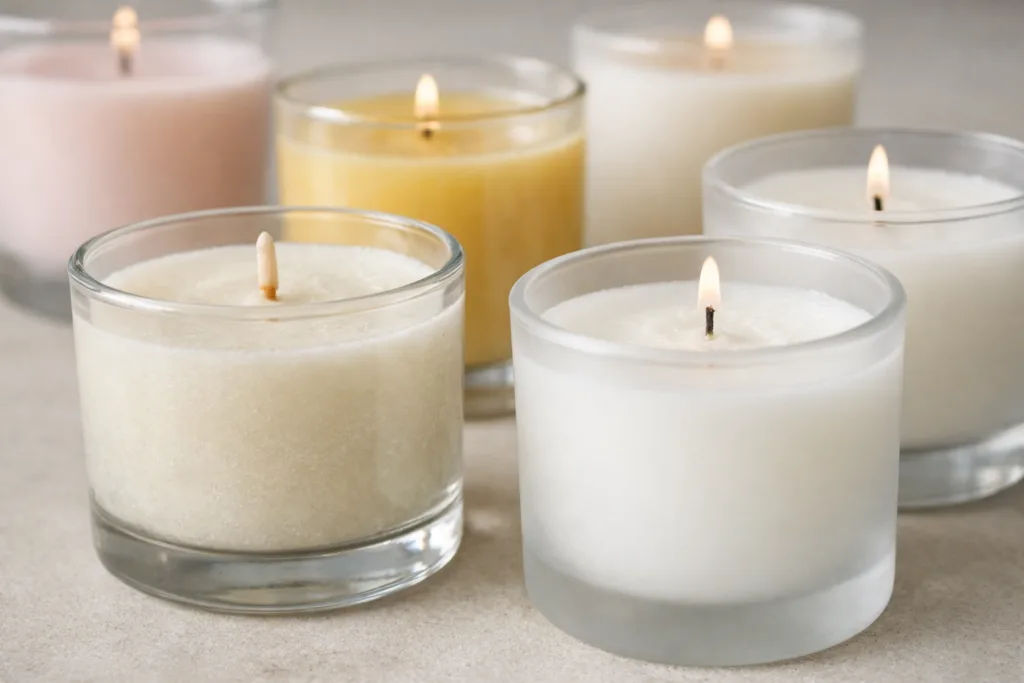
The cup profile shapes the soul of a candle line. Sleek, straight-sided jars underscore modern minimalism, while heavy, etched glass or double-walled ceramics evoke a sense of luxury. Frosted glass OEM options add tactile elegance and diffuse light for a soft glow, ideal for ambient or spa-inspired collections. On the other hand, natural finishes—like raw clay or sand-cast tin—suggest artisanal authenticity, aligning your brand with mindful consumers. This alignment is pivotal in the competitive custom candle jars wholesale landscape, where visual cues instantly communicate positioning and consumer promise.
Key Style Considerations
- Minimalist: Clear straight-sided glass, seamless tins, subtle logo embossing
- Luxury: Thick-walled glass, metallic foiling, intricate lid designs
- Natural: Matte ceramics, recycled glass, hand-thrown pottery look
“Circe Home Lab Insight: Vessel type isn’t just aesthetic—it influences curing time, burn profile, soot risk, and scent projection.”
Understanding Cup Profile, MOQ, and Cost Structure
The decision on a vessel style impacts minimum order quantities (MOQ) and overall product cost. Frosted glass OEM designs, for instance, require custom tooling and batch sizes, which can elevate MOQ above standard clear jars. Ceramics and bespoke embossed containers may also involve higher set-up fees, but they unlock premium pricing potential through limited edition lines. Custom candle jars wholesale suppliers typically set MOQ tiers based on complexity, size, and manufacturing run efficiency—selecting a vessel within your target price point ensures scalability without sacrificing style.
| Vessel Type | MOQ Range | Typical Cost (per unit) | Brand Style Fit |
|---|---|---|---|
| Clear Glass (Straight) | 1,000–3,000 | $1.00–$1.60 | Minimalist, Broad Market |
| Frosted Glass OEM | 3,000–5,000 | $1.80–$2.65 | Luxury, Spa, Gift |
| Ceramic Vessel | 1000–1,500 | $2.40–$5.00 | Natural, Artisanal |
| Metal Tin | 2,000–8,000 | $0.80–$1.20 | Wellness, Travel, Promo |
Cup Profile and Wax Blend Compatibility
An often overlooked aspect is the relationship between vessel geometry and wax formulation. Steep-sided jars, for example, favor even burns with soy-based and coconut blends; the narrower opening supports optimal hot throw with complex fragrances. In contrast, wide-mouth vessels can be better suited to harder waxes (like premium rapeseed or beeswax blends), provided wick sizing is carefully tuned. Frosted glass OEM options diffuse candlelight, which pairs well with lighter essential oil fragrances and enhances the visual perception of clean burning—an advantage for brands championing responsible production. Alignment of vessel type with wax performance characteristics (melt point, fragrance retention, soot profile) is essential for delighting the senses and minimizing customer complaints.
Wax Blend, Vessel, and Performance Grid
- Soy Wax: Performs best in medium-to-large clear or frosted glass for balanced burn, high fragrance load, and efficient curing
- Coconut Blend: Excels in ceramic or premium glass, supports slow burns with soothing scent diffusion
- Beeswax & Rapeseed: Pair with straight-sided or metal for burning stability and maximizing natural aroma
Choosing Between Frosted Glass OEM and Other Candle Vessel Materials
Frosted glass OEM vessels bring an air of refinement and broaden the creative palette, but how do they compare with alternative materials? Frosted finishes subtly soften branding and make pastel waxes appear luminous, yet may command a higher MOQ and unit price. Ceramics offer heat retention and pair beautifully with earthy, botanical scents but weigh more and may have variable dye lots. Metal tins provide a modern, travel-ready edge but risk heat transfer affecting fragrance stability. Analyze the balance between aesthetic intention, technical compatibility (fragrance system, wick, burn profile), and operational realities such as cost, MOQs, labeling options, and lead time.
Feature Comparison
- Durability (Glass vs. Ceramic vs. Metal)
- Aesthetic Flexibility (Frosted vs. Clear, Matte vs. Glossy)
- Thermal Stability and Wax Compatibility
- Scent Projection (Diffusive vs. Focused)
- Customization Options (Embossing, Color, Decal)
Fragrance Compatibility with Candle Vessel Selection
Container type not only determines burn time and visual appeal but also influences fragrance development. For complex, essential oil-rich blends, opt for opaque or frosted vessels to protect volatile top notes from UV degradation. Thicker-walled glass or ceramics buffer extreme temperature changes, stabilizing oil dispersion and supporting higher allowable fragrance loads. Always review the vessel’s compatibility with fragrance types, paying attention to maximum fragrance load (typically 8–12%), allergen declarations, and curing needs. The intersection of vessel and scent will impact the ‘cold throw’ (unlit aroma) and ‘hot throw’ (when burning), affecting consumer satisfaction and repeat purchase rates.
Quality Control, Safety Testing & Regulatory Alignment
A purposeful vessel choice simplifies QC and regulatory processes. Select vessels with predictable internal diameters for reliable wick centering and testing. Verify that all glass, especially frosted glass OEM, meets strict thermal shock standards and that custom vessels are traceable by batch. Key quality tests include:
- Burn time accuracy (e.g., >35 hours for a 200g candle)
- Soot index compliance (minimizes visible smoke and residue)
- Fragrance dispersion stability (cold and hot throw consistency)
- IFRA 51st Amendment compliance for global fragrance safety
- CLP labeling support for imports into the EU, completed using provided blend details
Production Steps: From Vessel Selection to Finished Candle
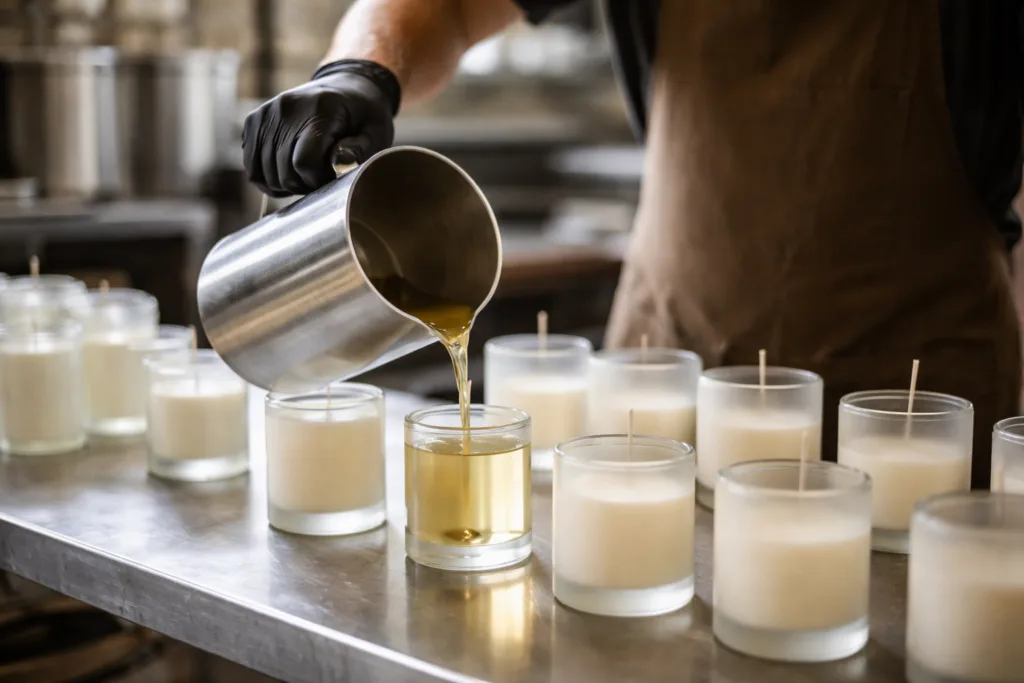
The journey from choosing a vessel to boxing finished product is deeply technical yet creative. Work closely with suppliers—like Circe Home, whose OEM partnership encompasses wax, vessel, and full compliance documentation—to synchronize every step. Key production stages include:
- Pre-pour vessel cleaning: Remove dust/oils, ensure heat resistance
- Wick sizing and gluing: Match wick to vessel profile, wax blend, and desired burn performance
- Wax melting and fragrance integration: Respecting melt point and fragrance compatibility for maximum load without separation
- Hand or automated pouring into vessels—especially critical with complex shapes or frosted glass OEM
- Controlled cooling, topping, and quality inspection pre-curing
- Final boxing and labeling, including branding and safety compliance
Brand Storytelling: Vessel Style as Signature
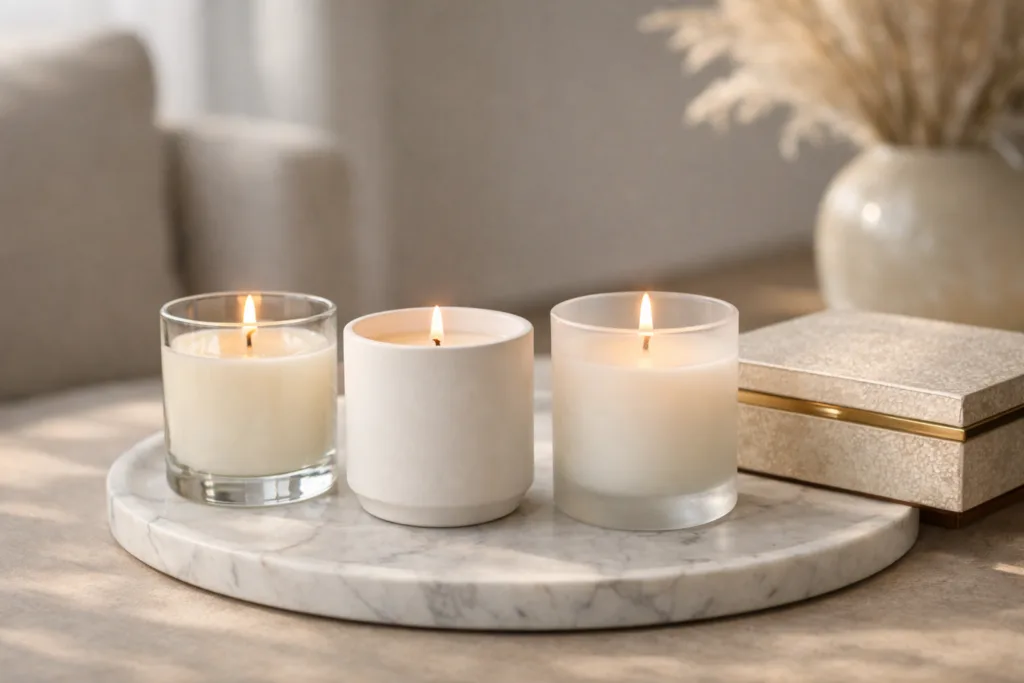
Your vessel encodes your narrative. A minimalist home décor line signals restraint through translucent jars and understated colorways while a luxury gifting line demands heavy frosted glass OEM, metallic foiling, and sculptural caps. For wellness or natural collections, tactile ceramics or recycled glass reinforce a gentle ethos. No matter your style, thoughtful vessel selection fused with technical precision propels brand memorability and market appeal.
Frequently Asked Questions
What factors should I consider before choosing a candle vessel for a custom line?
Consider brand aesthetic, target audience, wax blend compatibility, minimum order quantity, regulatory needs, and cost structure before selecting vessels for your line.
How does vessel material influence fragrance performance and burn profile?
Thicker containers buffer temperature shifts and support optimal fragrance projection, while frosted glass helps preserve essential oil blends through light diffusion.
What is the minimum order quantity for frosted glass OEM candle jars?
MOQ for frosted glass OEM jars typically starts around 3,000 to 5,000 units due to tooling and batch production requirements for custom finishes.
Are there vessel choices better suited for natural wax blends?
Ceramic, recycled glass, and straight-sided clear jars usually pair well with natural soy, coconut, beeswax, and rapeseed blends due to even burn and compatibility.
Can I customize vessel shape, finish, and packaging with wholesale suppliers?
Yes, reputable partners like Circe Home offer full vessel customization—shape, finish, color, labeling, and packaging—subject to MOQ and lead time agreements.
How do vessel and wax choices affect compliance and safety labeling?
Each combination requires specific testing for burn, soot, and fragrance release, correlating with IFRA compliance and correct CLP or safety labels for each market.