
Understanding Minimum Order Quantities for Glass Jar Candles
Minimum order quantities (MOQs) are a pivotal consideration for brands, boutiques, and designers sourcing custom glass jar candles. For most professional manufacturers, the industry-standard MOQ for custom glass jar candles begins around 500 units—offering the best balance of cost efficiency, material sourcing, and manufacturing scale. A frequently asked question from new entrants is whether a lower MOQ, such as 300 pieces, will yield a more competitive price. In luxury and bespoke production, the answer is almost always no: breaking the 500-piece MOQ doesn’t reduce unit price unless a highly standard glass vessel is selected from existing inventories.
What Determines the MOQ for Glass Jar Candles?
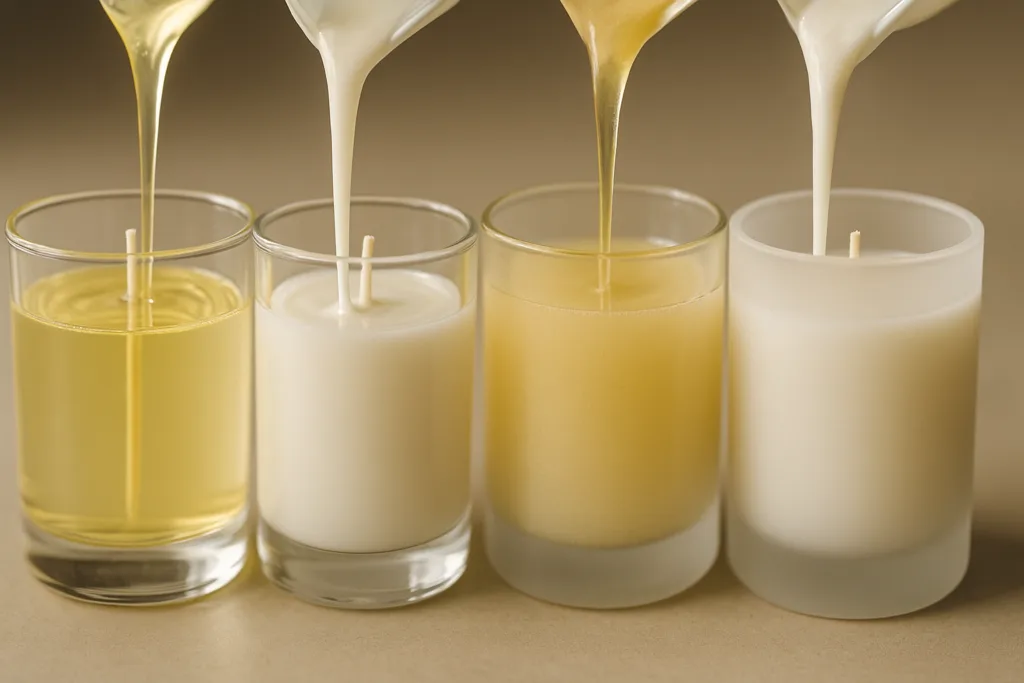
The key factors setting MOQs for glass jar candles are raw material batch requirements, container sourcing constraints, and production line efficiency. Manufacturers like Circe Home structure their operations to maximize batch consistency and cost advantages at the 500-unit level. Custom elements—such as bespoke colors, coatings, embossing, private-label packaging, or proprietary fragrances—anchor the MOQ, since each variant necessitates unique setup, testing, and stock allocation.
- Glass Jar Source: Custom shapes, colors, and finishes often require bulk runs of at least 500 pieces. Standard, generic jars may allow reduced MOQs.
- Wax Blends & Fragrance Loads: Efficient mixing and pouring of soy, coconut, rapeseed, or beeswax blends also favor 500+ units for batch quality.
- Packaging & Labeling: Custom foil stamping, color printing, or rigid outer boxes are typically ordered in manufacturer minimums.
Glass Jar Candles: MOQ Myths vs. Realities
Some believe that ordering 300 pieces of a glass jar candle will cost less than ordering 500. In nearly every scenario, total project pricing improves with larger runs, and per-unit cost stability only emerges at or above 500 pieces. This holds for both custom and luxury collections, unless you’re using a house-standard vessel or label format. For frequently stocked, standard style jars, manufacturers may offer a reduced MOQ—but expect fewer customization options and higher per-piece pricing compared to core MOQ runs.
Glass Jar Candles, MOQ, and Scale-Up Factors
Scaling from prototype to bulk production requires considering how MOQ influences materials, timeline, and cost structure. A 500-unit MOQ is not arbitrary: it aligns with the most common quantities of glass jar and wax batch deliveries from upstream suppliers. Below this threshold, setup and testing costs often negate any perceived savings from smaller orders, and risks (such as color or fragrance batch variance) actually increase. For brands serious about luxury candle lines, planning production in increments of 500+ smooths batch quality, fragrance consistency, and packing efficiency.
Circe Home Lab Insight: “For signature fragrance systems and premium wax blends, developing an initial batch of 500 units ensures optimal scent throw, color uniformity, and burn profile. This threshold also aligns with IFRA and CLP compliance batch document requirements, making traceability smoother for custom orders.”
Minimum Order Quantities for Glass Jar Candles
Glass jar candle MOQs reflect not only the cost of materials but also the realities of production line changeover, raw ingredient minimums, and waste reduction. Below is a comparative table summarizing how MOQ and candle specs influence key production factors:
| MOQ (Units) | Wax Blend Type | Customization Level | Burn Profile Control | Unit Cost |
|---|---|---|---|---|
| 300 | Standard Soy or Paraffin | Generic Jar & Label | Moderate | High |
| 500 | Soy, Coconut, Rapeseed, Beeswax or Custom Blend |
Full Customization | Excellent | Optimal |
| 1000+ | All Wax Types | Full, plus Bespoke Add-ons | Consistent | Lowest |
Material Choices and Inventory Impacts on MOQ
The choice of wax makes a substantial difference to the rest of the production workflow—and, by extension, minimum order quantity. Soy and coconut blends, prized for clean burn and rich scent throw, require stable inventory management and reliable supply for fragrance oils and wick stock. The more unique the blend, the more prudent it is to align with the 500-unit MOQ. Essential oil-heavy formulas or specialty notes (e.g., oud, sandalwood) often require even higher minimums due to raw input costs.
Common Wax Blends and MOQ Implications
- Soy Wax: Eco-forward, soot-free, needs careful temperature control; ideal batch size ≥ 500 units.
- Coconut & Rapeseed Blends: Optimal for strong fragrance load and long burn; best in 500+ runs.
- Beeswax: Pricey, but low soot and natural honey aroma; typically available from 500 units up.
- Paraffin: Standard option, allows small MOQs for off-the-shelf jars, but less sustainable.
Customization Options and MOQ Realities
Customization is the primary lever that impacts your MOQ. Premium glass finishes (frosted, metallic, embossed), unique jar sizing, hand-dipped colors, or outer packaging in custom Pantones all generally require a 500-unit minimum. At lower MOQs, brands are generally limited to generic vessels and basic label designs already in stock. True visual differentiation emerges at core MOQ thresholds.
Custom MOQ Steps for Bespoke Candles
- Finalize vessel shape, size, and finish (satin, iridescent, smoked glass, etc.).
- Develop wax blend and fragrance formula for desired scent throw and burn time.
- Select label or decal printing style aligned to overall design concept.
- Prototype sample (offered after MOQ commitment for most custom projects).
- Complete IFRA and CLP compliance review and pre-pour checks.
Quality Control and Compliance at MOQ Scale
Strict quality testing is imperative for luxury candle production at (or above) the industry MOQ. At 500 units, each batch undergoes multi-point quality checks: wick centering (±2mm tolerance), fragrance load verification (typically 8–12% in wax), burn profile testing, and visual audits for frosting and surface flaws. IFRA safety certifications and EU CLP compliant labeling are baked directly into production workflows.
Key QC Checks for Glass Jar Candles
- Wax melt pool diameter and depth measurements at 3-hour intervals.
- Fragrance load distribution analysis for cold and hot throw consistency.
- Soot index benchmarking (target: below threshold for premium lines).
- Container strength and thermal shock resistance testing.
Production Workflow: From Order to Delivery
The path from initial MOQ discussion to finished candle involves a meticulously sequenced production process. This workflow ensures batch consistency, repeatable scent performance, and a luxury finish to each glass candle unit—from melting to final boxing.

- Wax Melting: Blends heated to precise melting point for optimal pour and fragrance absorption.
- Fragrance Incorporation: Oils or essential oil blends added at target temperature for maximum scent retention.
- Glass Jar Preparation: Cleaning, dried and pre-heated for uniform adhesion.
- Wick Placement: Centered and affixed with food-grade glue; wick size matched to jar and wax blend.
- Pouring: Hand or automated pour with temperature-controlled stations.
- Cooling & Curing: Stable, ambient conditions for a minimum of 72–96 hours for soy-based blends.
- Surface Finishing: Topping, trimming, and surface polishing as required.
- Packing & Labeling: Custom labels and boxes applied after passing QC and compliance review.
Cost Structure: Why 500-Piece MOQ Is The Sweet Spot
Unit economics in candle manufacturing are driven by setup costs, material wastage, and labor allocation. At 500 units, these costs amortize efficiently, unlocking better blend control and custom packaging without prohibitive per-unit price increases. Below this MOQ, the per-piece cost rises sharply due to the same setup but less batch output, especially for unique glass jars or proprietary fragrances. For standardized, generic jars in regular stock, some suppliers can offer a 300-unit MOQ—but prices remain higher, and options are limited.
Applications for Glass Jar Candles at MOQ Scale
MOQ-compliant glass jar candles are perfect for luxury gifting, high-end private-label retail, hospitality chains, spa and wellness collections, and minimalist home décor launches. Circe Home, for example, specializes in developing signature wax blends and curated fragrance palettes for both established global brands and emerging designers, ensuring premium quality and responsible sourcing at MOQ scale.
Sustainability, Compliance, and Packaging at MOQ
Regulatory and eco-conscious requirements now influence every stage of design and manufacture. Reputable manufacturers ensure all custom glass jar candles meet IFRA 51st amendment fragrance restrictions, CLP labeling for the EU, and offer eco-packaging (soy ink, FSC-certified cartons, compostable fillers) at MOQ levels. Demand for refillable glass vessels and minimalist box-free designs is rising, though these often require MOQ negotiations beyond standard 500+ piece runs due to retooling and alternate packaging sourcing.
Glass Jar Candles: MOQ, Fragrance, and Burn Quality
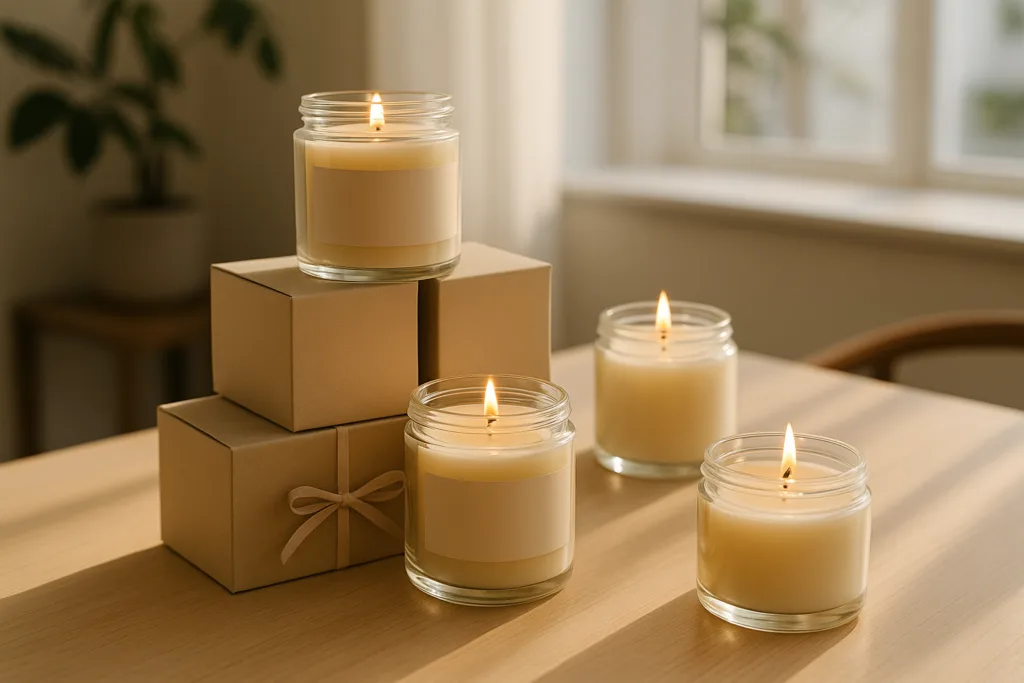
Achieving optimal scent throw and clean, soot-free burn in a glass candle depends heavily on the MOQ batch which anchors the blend design, fragrance test iterations, and quality assurance. For high fragrance loads (8–12%), correct wax-to-oil ratios, staged curing times (3–7 days or more for strong essential oil blends), and proper wick sizing (cotton, wood, paper-core matched to vessel diameter) are paramount. Minimum order quantities ensure each variable is tested and controlled, avoiding costly failures or customer returns.
Frequently Asked Questions
What is the typical minimum order quantity for custom glass jar candles?
The standard MOQ for custom or luxury-spec glass jar candles is 500 units per variant. This threshold balances material sourcing, batch efficiency, and consistent quality for bespoke wax blends, fragrances, and custom packaging.
Can I order 300 glass jar candles instead of 500?
In most cases, ordering 300 units will not result in a lower unit price compared to 500. The exception is when choosing a manufacturer’s standard jar and label already in stock. Customizations generally require 500-piece MOQs to ensure efficiency and quality.
Does wax blend choice impact the MOQ for glass jar candles?
Yes, blends like coconut, rapeseed, soy, and especially beeswax or signature fragrance systems often require a higher MOQ, typically 500 units, to ensure batch uniformity, scent performance, and regulatory compliance.
What affects the cost structure when producing at MOQ?
Setup time, material batching, labor costs, and wastage drive the overall cost. At 500 units, these factors amortize best. Custom glass, unique fragrances, or special packaging above house standards will lock in the 500 MOQ further.
Are there options for eco-friendly or refillable packaging at MOQ?
Yes, many manufacturers offer eco-packaging, FSC-certified boxes, or minimalist glass designs at standard MOQs, though bespoke refillable solutions may require higher minimums due to sourcing and workflow changes.
How does Circe Home manage compliance at MOQ scales?
Circe Home integrates IFRA fragrance standards, CLP labeling, and rigorous batch QA at the 500-unit MOQ, ensuring every glass jar candle meets global luxury, safety, and environmental benchmarks.