
For many consumers, Candle Day looks simple: a big discount, a crowded store, an online flash sale, and a chance to stock up on favorite scents before the holiday season. For candle brands, retailers, wholesalers, and importers, however, Candle Day is something much more serious.
It is a supply chain stress test.
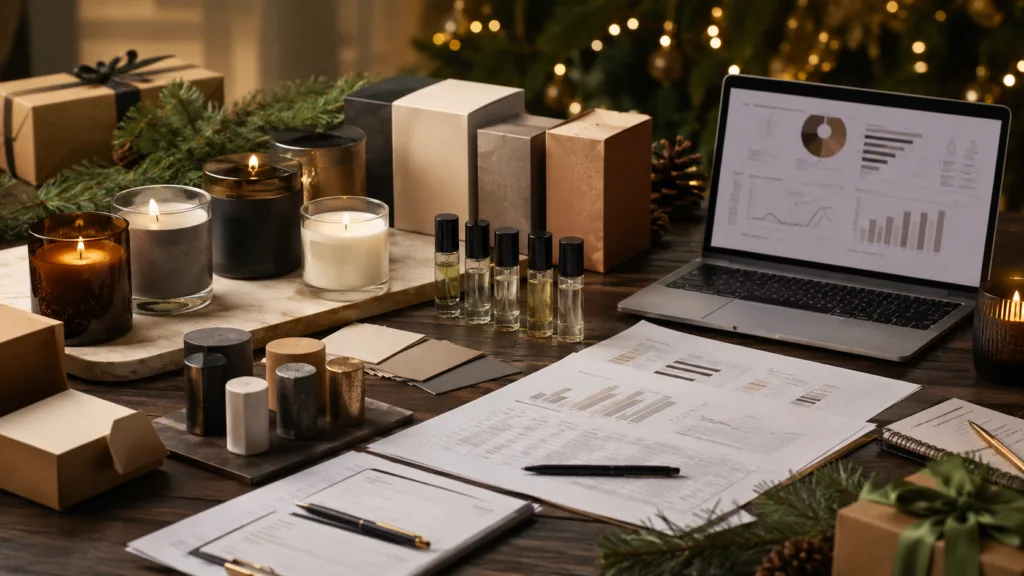
A successful Candle Day campaign is not created by a discount code. It is built months earlier through product planning, fragrance selection, packaging development, production scheduling, inventory control, freight decisions, warehouse preparation, and margin calculation. The brands that perform well during peak season are rarely the ones that simply offer the deepest discounts. They are the ones that understand how to balance sell-through, profit, stock availability, and operational reliability.
From a manufacturer’s perspective, Candle Day reveals the real maturity of a candle brand. Some buyers only think about the promotional price. More experienced buyers think about unit economics, packaging efficiency, carton protection, replenishment timing, landed cost, and how many SKUs their supply chain can realistically handle.
That difference matters.
In candle manufacturing, a beautiful product is only one part of the business. A profitable seasonal launch also depends on whether the supplier can produce consistently, ship safely, support documentation, control defects, protect delivery windows, and help the buyer avoid expensive last-minute decisions. For brands preparing for Candle Day or any holiday candle promotion, a reliable manufacturing partner is not just a vendor. It is part of the profit structure.
What Candle Day Really Means for Candle Brands
Candle Day is usually associated with aggressive promotions and seasonal buying behavior. Customers are more willing to purchase multiple units, try new fragrances, buy gifts, and restock candles for winter use. For brands, this creates a rare opportunity to increase volume quickly.
But volume alone does not guarantee profit.
A Candle Day campaign can serve several business purposes:
- Clear slow-moving inventory before year-end
- Introduce new seasonal fragrances
- Increase repeat purchases
- Convert first-time buyers through trial pricing
- Build gift-set sales before Christmas
- Drive retail foot traffic or online conversions
- Test consumer response to new vessels, scents, or bundle formats
The problem is that each of these goals requires a different product and inventory strategy. A clearance campaign is not the same as a new collection launch. A premium gift set is not planned the same way as a low-price wax melt bundle. A wholesale buyer serving retail stores has different risks from a DTC brand shipping individual orders from its own warehouse.
This is why mature buyers do not start Candle Day planning by asking, “What is your cheapest candle price?” They start with better questions:
- Which products should be promoted?
- What price point protects enough margin?
- Which SKUs can be produced and replenished reliably?
- Which packaging format reduces breakage and freight waste?
- Which fragrance range is attractive without creating inventory chaos?
- How early must goods arrive before the promotion begins?
These are not small details. They decide whether a seasonal promotion becomes a profitable growth event or an expensive operational headache.
Why Peak Season Preparation Starts Months Earlier
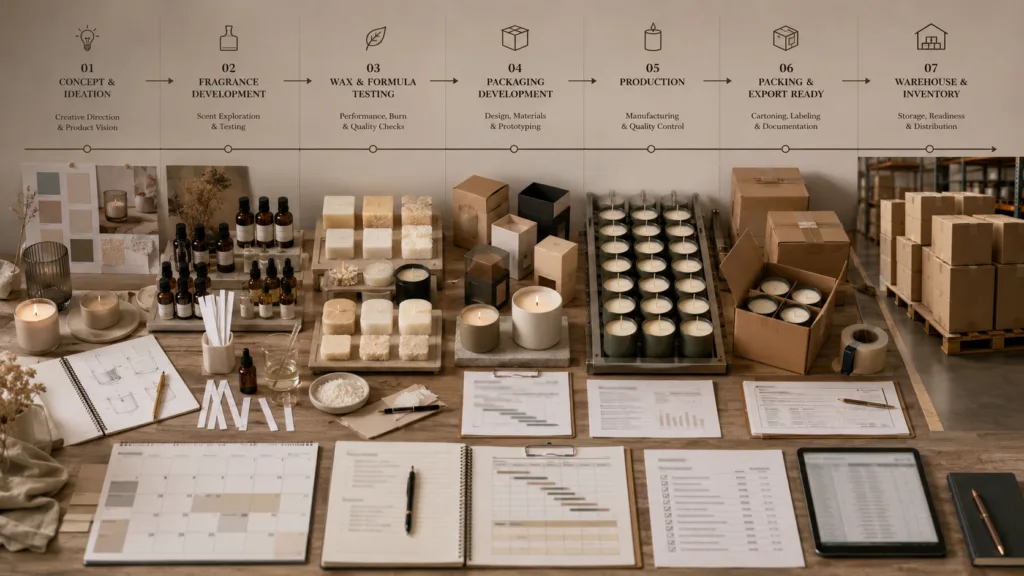
One of the biggest mistakes brands make is treating Candle Day as a marketing event instead of a supply chain project. The promotion may last one day or one week, but the preparation often takes several months.
For custom candles, private label candles, or seasonal gift sets, the timeline can include fragrance sampling, wax testing, vessel sourcing, packaging design, printing, label approval, burn testing, mass production, quality inspection, export packing, international shipping, customs clearance, warehouse receiving, and retail distribution.
A realistic preparation timeline often looks like this:
6–8 Months Before Candle Day: Product and Collection Planning
At this stage, the brand should define the commercial role of the Candle Day collection. Is it a discounted version of existing products? A limited holiday range? A giftable bundle? A wholesale retail display program? A new customer acquisition tool?
The manufacturer can support early decisions around:
- Candle format: glass jar, tin candle, ceramic candle, concrete vessel, pillar candle, taper candle, wax melts, or gift set
- Wax type: soy wax, coconut wax, paraffin blend, beeswax blend, or customized wax formulation
- Target burn time and fragrance load
- Vessel availability and MOQ
- Seasonal fragrance direction
- Packaging complexity and estimated cost
- Suggested SKU count based on order volume
This is also the right time to identify whether the brand should use existing molds and standard vessels or invest in custom development. Custom ceramic, custom glass, or unique packaging structures can create stronger brand differentiation, but they also require higher MOQ, longer lead time, and more development risk.
For brands that need speed and margin control, using proven vessel styles with customized labels, sleeves, boxes, or fragrance concepts is often more practical.
4–6 Months Before Candle Day: Sampling and Packaging Development
This is where many inexperienced buyers underestimate the work.
A candle sample is not just a visual sample. It needs to be evaluated for fragrance performance, cold throw, hot throw, wax appearance, wick behavior, burn pool, soot level, tunneling risk, vessel safety, label adhesion, lid fit, and packaging protection.
Packaging also needs serious attention. For peak season, packaging must do more than look beautiful. It needs to survive real transportation.
A Candle Day package may go through factory handling, export carton packing, pallet loading, sea freight or air freight movement, customs inspection, warehouse receiving, retail distribution, shelf display, and final consumer delivery. A box that looks elegant in a mockup but collapses during shipping is not a premium package. It is a cost problem.
At this stage, brands should confirm:
- Label materials and printing method
- Gift box structure
- Inner trays or inserts
- Carton quantity per master carton
- Drop protection and carton strength
- Barcode and warning label placement
- Retail display requirements
- Whether packaging supports individual sale, bundle sale, or both
For B2B trade, packaging decisions directly affect landed cost. A slightly oversized box may reduce the number of units per carton, increase freight cost per candle, and lower campaign profit. Mature buyers understand that packaging beauty and carton efficiency must work together.
2–3 Months Before Candle Day: Bulk Production and Shipping Preparation
By this point, brands should not still be debating fragrance names or label colors. They should be locking production orders.
Peak season is not the right time to test every idea. It is the time to execute the best-confirmed ideas.
During bulk production, a reliable manufacturer needs to manage:
- Raw material purchasing
- Vessel inspection
- Wax melting and fragrance blending
- Wick centering
- Filling temperature control
- Cooling and curing
- Surface checking
- Labeling and packaging
- Carton packing
- Quality control before shipment
For large orders, production capacity and scheduling become critical. Candle manufacturing is not always easy to rush. Wax curing, packaging lead time, and QC steps all take time. If a buyer waits too long, the supplier may still be able to produce the candles, but the buyer may lose the option of economical freight and be forced into air shipment.
That can destroy margin.
This is one of the most important lessons for Candle Day: late decisions usually become expensive decisions.
1 Month Before Candle Day: Inventory, Warehouse, and Campaign Readiness
One month before the promotion, brands should focus on readiness rather than development.
The key questions become:
- Has all inventory arrived at the warehouse?
- Are the bestselling SKUs properly allocated?
- Are gift sets packed and ready to ship?
- Are product listings, photos, and descriptions complete?
- Are retail stores or distributors stocked?
- Is there a backup plan for fast-moving SKUs?
- Are damaged or defective units separated early?
- Are customer service teams ready for product questions?
For wholesale buyers, this stage also includes coordinating with retailers, distributors, or third-party warehouses. If the goods arrive too close to the sales event, the brand may technically have inventory but still fail to make it available in time.
In seasonal business, inventory in transit is not inventory you can sell.
Choosing the Right Candle Products for Candle Day
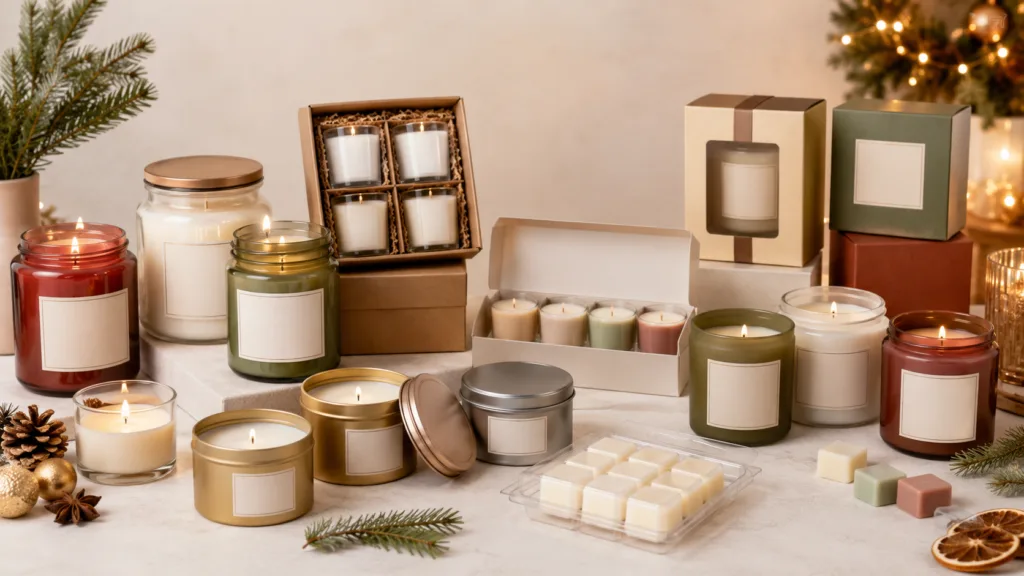
Not every candle product is ideal for a high-volume promotional event. Some formats are better for premium gifting, some are better for trial purchases, and some are better for shipping efficiency.
1. Classic Jar Candles
Glass jar candles remain one of the most reliable formats for Candle Day because consumers understand them immediately. They work well for private label brands, home fragrance retailers, department stores, online shops, and gift companies.
Their strengths include strong shelf appeal, good perceived value, and wide fragrance compatibility. The main risks are breakage, carton weight, and freight cost. For large orders, buyers should pay close attention to glass thickness, lid options, carton dividers, and protective packaging.
2. Tin Candles
Tin candles are practical for promotions because they are lighter and less fragile than glass. They are suitable for online sales, travel collections, seasonal bundles, and lower-price gift options.
For brands that want better freight efficiency and lower breakage risk, tin candles can be a smart Candle Day format. They may not always feel as luxurious as glass or ceramic, but with the right label, finish, and fragrance story, they can still look polished and retail-ready.
3. Candle Gift Sets
Gift sets are especially important during holiday season because they increase average order value. A customer who may hesitate to buy one full-size candle at full price may be willing to buy a discounted three-piece or four-piece set as a gift.
However, gift sets require careful cost control. Every extra box, insert, sleeve, ribbon, label, and printed card adds cost. The goal is not to create the most complicated package. The goal is to create a package that feels giftable, protects the product, and still leaves room for profit after discount.
4. Mini Candles
Mini candles are useful for fragrance discovery and bundle promotions. They allow customers to try several scents at a lower price and can support future full-size purchases.
For brands, mini candles can be powerful, but only if production and packaging are planned well. Too many mini SKUs can create labor complexity and inventory confusion. A focused set of three to six fragrances is usually easier to manage than an oversized collection.
5. Wax Melts
Wax melts are attractive for Candle Day because they are lightweight, easy to bundle, and suitable for fragrance testing. They also work well for customers who prefer flameless home fragrance.
From a supply chain perspective, wax melts can offer better shipping efficiency than heavy glass candles. They are also useful for brands looking to create lower entry-price products while protecting the premium positioning of full-size candles.
Fragrance Planning: Sell Emotion, Control Complexity

Fragrance is the heart of any candle promotion, but it is also one of the easiest areas to overcomplicate.
During Candle Day, buyers are tempted to launch too many scents because more options feel more exciting. But every additional fragrance increases planning complexity. It affects fragrance oil purchasing, wax blending, labeling, filling schedule, inventory forecasting, product photography, and SKU management.
A more mature approach is to build a balanced fragrance architecture.
For example:
- 2–3 bestselling core scents
- 2–3 seasonal scents
- 1–2 limited-edition scents
- 1 discovery set or bundle format
This gives the customer variety without overwhelming the supply chain.
Seasonal candle fragrances often perform well when they connect to familiar emotional cues: warmth, comfort, celebration, winter woods, baked desserts, festive spices, clean home rituals, or luxury gifting.
Common seasonal fragrance directions include:
- Vanilla and amber
- Cinnamon and clove
- Pine and cedarwood
- Fig and sandalwood
- Cranberry and orange
- Gingerbread and caramel
- White musk and cashmere
- Frankincense and myrrh
- Rose, oud, and warm woods
For international brands, fragrance planning should also consider market differences. North American buyers often respond well to cozy, sweet, gourmand, and holiday-spiced scents. European buyers may prefer cleaner, botanical, woody, or understated profiles. Australian and New Zealand markets may need fresher, brighter, or summer-holiday interpretations because the year-end season falls during warmer weather.
A manufacturer with export experience can help buyers avoid fragrance choices that sound attractive but perform poorly in wax, create discoloration, cause wick issues, or feel mismatched with the target market.
Packaging Strategy: Discount Does Not Mean Cheap
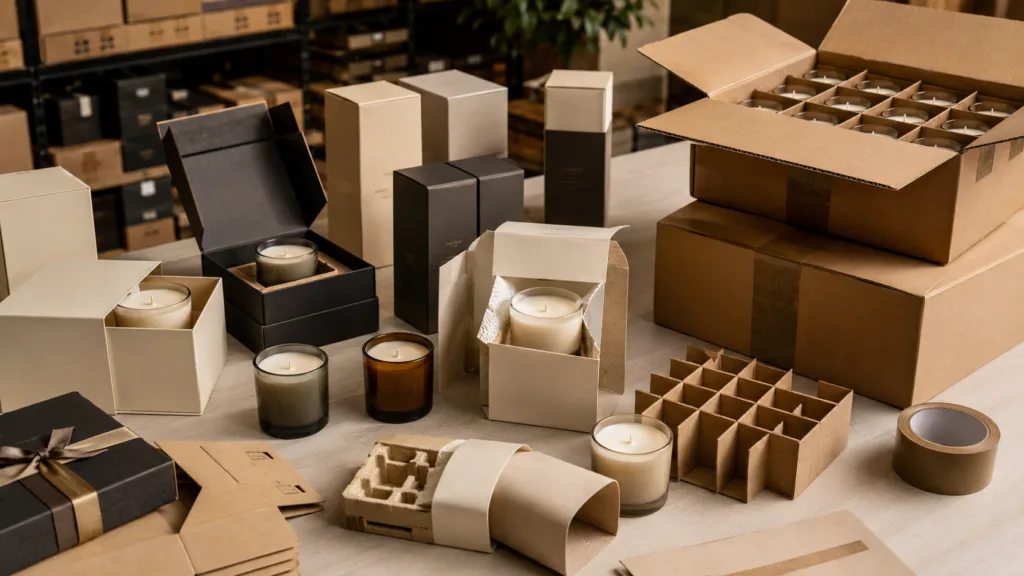
One of the most important Candle Day challenges is balancing discount and brand value.
If the packaging looks too cheap, the product loses gift appeal. If the packaging is too expensive, the promotion destroys margin. The best solution is not always more packaging. It is smarter packaging.
Good Candle Day packaging should do four things:
- Look giftable
- Protect the product
- Pack efficiently
- Support profitable pricing
This is where supplier experience becomes valuable. A manufacturer can often suggest packaging adjustments that reduce cost without damaging the brand image.
For example:
- Use a standard rigid box size instead of a fully custom structure
- Replace complex inserts with protective but simpler dividers
- Use premium labels or sleeves on standard vessels
- Create a seasonal sticker system for limited editions
- Reduce empty space inside gift boxes
- Optimize units per export carton
- Use one master packaging structure across several scents
These small decisions can have a large impact on gross margin, especially when the brand is offering a promotional discount.
A serious buyer should always ask: after discount, freight, packaging, platform fees, warehouse handling, and marketing cost, does this product still make sense?
If the answer is unclear, the campaign is not ready.
The Margin Problem: How to Balance Profit and Discount

Candle Day is powerful because customers expect a deal. But a deal that does not protect margin is not a strategy. It is a cash flow risk.
Brands should calculate promotion pricing from the full landed cost, not just the factory unit price.
A proper cost review should include:
- Candle unit cost
- Packaging cost
- Labeling cost
- Inner and master carton cost
- Freight cost
- Import duties and taxes
- Warehouse receiving fee
- Pick-and-pack cost
- Platform or retailer margin
- Marketing cost
- Expected defect or damage allowance
- Discount percentage
Many buyers focus too heavily on EXW or FOB unit price and forget the rest of the cost structure. In B2B trade, this is dangerous. A candle that looks cheap at factory level may become expensive after packaging and freight. A slightly higher factory price may actually be more profitable if the product has better carton efficiency, fewer defects, stronger perceived value, and lower return risk.
The best brands do not simply chase the lowest supplier quote. They compare total commercial outcome.
For Candle Day, discount planning should also separate hero products from margin-protection products. A brand may use one or two high-volume products as traffic drivers while keeping gift sets, premium vessels, or bundles at healthier margins.
This allows the promotion to feel strong without turning the entire catalog into a low-margin event.
Common Mistakes Brands Make Before Candle Day
From the manufacturer’s side, the same problems appear every year.
Mistake 1: Starting Too Late
Late development limits every good option. It reduces fragrance testing time, packaging choices, shipping flexibility, and production priority. It also increases the chance of expensive freight or missed delivery windows.
Mistake 2: Launching Too Many SKUs
A large collection may look impressive, but it can create inventory risk. Unless the brand has strong demand data, too many fragrances or packaging variations can split order volume and weaken purchasing efficiency.
Mistake 3: Choosing Packaging Without Freight Thinking
Beautiful but bulky packaging can quietly damage profit. For international orders, carton size, product weight, and packing method matter. Brands need packaging that works in the real world, not only in photography.
Mistake 4: Treating Compliance as an Afterthought
For candles, documentation and labeling can matter depending on the market. Buyers may need MSDS/SDS, fragrance allergen information, warning labels, CLP-related support for Europe, material details, or test reports. These should be discussed early, not after production is finished.
Mistake 5: Negotiating Only on Unit Price
Price matters, but the cheapest quote may come with poor wax consistency, weak packaging, unstable lead times, limited communication, or hidden quality risks. During peak season, these problems become more expensive.
B2B sourcing should be based on total value: product quality, manufacturing reliability, documentation support, packaging knowledge, export experience, and the ability to deliver at scale.
What a Reliable Candle Manufacturer Should Provide
For mature brands preparing for Candle Day, a manufacturer should do more than fill wax into jars.
A good manufacturing partner should support:
- Product format recommendations
- Fragrance and wax compatibility guidance
- Wick selection and burn performance review
- Existing vessel and mold options
- Custom packaging development
- Private label and white-label production
- MOQ planning for different order sizes
- Cost optimization based on target retail price
- Export carton and protective packing advice
- Production scheduling for peak season
- Quality control before shipment
- Documentation support for international buyers
- DDP, FOB, EXW, or other trade term coordination where applicable
- Global warehouse or overseas stock planning support when available
This support is especially important for buyers placing larger orders. A large order magnifies every detail. A small label mistake becomes thousands of incorrect units. A weak carton structure becomes high breakage risk. A delayed packaging supplier can delay the entire shipment. A poorly planned fragrance range can leave the buyer with slow-moving stock after the promotion.
Reliable manufacturing is not just about making products. It is about reducing uncertainty.
B2B Trade Principles Brands Should Remember
Candle Day can create urgency, but B2B trade still needs discipline.
Serious buyers should confirm specifications clearly before production starts. This includes size, wax type, fragrance, fragrance load if applicable, vessel color, lid, label, box, carton packing, barcode, warning label, quantity per SKU, trade terms, payment terms, shipping method, and delivery deadline.
Both sides should avoid vague assumptions.
For example, “premium packaging” is not a specification. “Matte black rigid box with paper insert, gold foil logo, 12 pieces per master carton” is closer to a specification.
“Fast delivery” is not a logistics plan. “Goods must arrive at the California warehouse before October 15” is a business requirement.
Clear communication protects both buyer and manufacturer. It also makes pricing more accurate. When specifications keep changing, pricing and lead time also change.
A professional supplier will ask detailed questions not to make the process difficult, but to prevent problems later.
Final Checklist for Candle Day Preparation
Before placing a peak-season candle order, brands should review these questions:
- What is the business goal of this Candle Day campaign?
- Which products will drive traffic, and which products will protect margin?
- How many SKUs can we manage realistically?
- Are the fragrance choices based on market demand or personal preference?
- Does the packaging support both gift appeal and shipping efficiency?
- What is the full landed cost after freight, packaging, duty, and handling?
- How much discount can we offer while keeping acceptable profit?
- Have we confirmed all specifications before bulk production?
- Do we have enough time for sampling, production, shipping, and warehouse receiving?
- Does our manufacturer understand export packaging and B2B delivery requirements?
If these questions are answered early, Candle Day becomes far more predictable.
Conclusion: Peak Season Profit Starts with Supply Chain Planning
Candle Day may look like a marketing event, but for serious candle brands, it is a supply chain event first.
The brands that win peak season are not always the ones with the loudest ads or the biggest discounts. They are the ones that prepare earlier, choose products carefully, control packaging costs, forecast inventory realistically, protect landed margin, and work with manufacturers who understand the pressure of seasonal B2B trade.
A strong candle promotion needs attractive fragrances and beautiful packaging, but it also needs reliable production, safe packing, clear specifications, realistic lead times, and disciplined cost planning.
For brands planning a Candle Day collection, holiday candle launch, or year-end wholesale program, the best time to talk to a manufacturer is not when the campaign is already approaching. It is when there is still enough time to make smart decisions.
Because in peak season, reliability is not a bonus.
It is the difference between a profitable campaign and a missed opportunity.
FAQ
1. When should candle brands start preparing for Candle Day?
Candle brands should ideally start planning 6–8 months before Candle Day, especially for private label candles, custom packaging, gift sets, or international bulk orders. This allows enough time for sampling, fragrance testing, packaging development, production, shipping, and warehouse preparation.
2. What candle products are best for Candle Day promotions?
The best Candle Day products usually include classic jar candles, tin candles, mini candle sets, wax melts, and holiday candle gift sets. The right choice depends on the brand’s target price, packaging budget, shipping method, retail channel, and margin strategy.
3. How can brands protect profit during Candle Day discounts?
Brands should calculate the full landed cost before setting discounts. This includes product cost, packaging, freight, duties, warehouse fees, marketing costs, platform fees, and expected damage allowance. A good strategy uses selected traffic-driving products while keeping bundles, gift sets, or premium SKUs at healthier margins.