
Low temperature candles are no longer just a niche curiosity in the candle world. For massage studios, spa retailers, wellness brands, adult lifestyle stores, boutique gift shops, hotel spa programs, and private label beauty brands, they represent a product category with unusually strong storytelling power.
A regular scented candle sells scent, atmosphere, and home décor value. A low temperature candle can sell something more intimate: warmth, touch, ritual, self-care, relaxation, sensuality, and premium gifting.
That difference matters for B2B buyers.
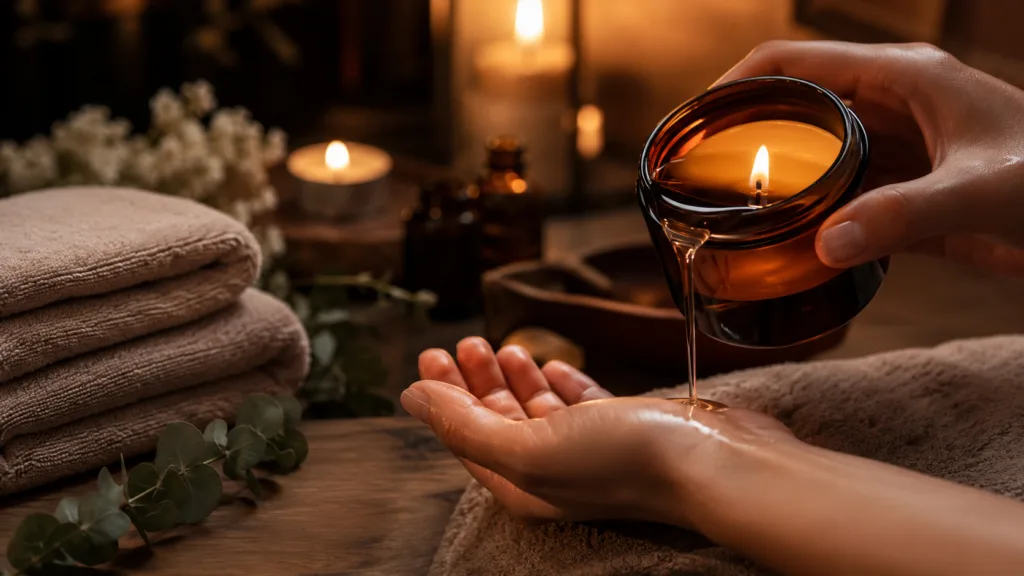
When a buyer searches for “low temperature candle,” they are usually not looking for a standard home fragrance jar candle. They are often trying to understand whether this product can be used for massage, whether it is safe for skin-contact positioning, what type of wax formula is required, what packaging claims are appropriate, what MOQ is realistic, and how to turn the concept into a sellable retail product.
For mature buyers, this is not simply a candle order. It is a product development project.
A low temperature massage candle needs the right wax base, oils, butters, fragrance load, wick, vessel, warning label, instruction card, retail packaging, and supply chain control. If one element is wrong, the product may look beautiful but perform poorly. It may melt too hot, feel greasy, smell too weak, tunnel during use, leak during shipping, or create confusion for the end customer.
For spa and wellness brands, the opportunity is strong because the product sits between several profitable categories: candles, massage oils, body care, aromatherapy, romantic gifting, and self-care rituals. For adult lifestyle stores, it creates a softer and more premium alternative to purely functional intimacy products. For boutique retailers, it gives customers a product that feels giftable, experiential, and emotionally memorable.
This guide explains what B2B buyers should know before sourcing low temperature candles, especially if the goal is private label, custom fragrance, OEM, ODM, or bulk production for overseas retail markets.
1. What Are Low Temperature Candles?
Low temperature candles are candles formulated to melt at a lower temperature than many traditional hard wax candles. In commercial massage candle applications, the melted wax pool is designed to become a warm, oil-like texture that can be used for massage or body-contact rituals when used correctly.
In the B2B market, the term often overlaps with:
- Massage candles
- Low melting point candles
- Body massage candles
- Warm oil candles
- Sensual wellness candles
- Spa ritual candles
- Private label massage candles
The key point is this: a low temperature candle is not just a normal scented candle with a softer wax.
A standard scented candle is usually developed for room fragrance, visual appeal, burn time, and vessel performance. A low temperature massage candle must also consider skin feel, controlled warmth, glide, ingredient perception, fragrance softness, and usage instructions.
That is why the formula often includes a blend of waxes, vegetable oils, and butters. Depending on the product positioning, common ingredients may include soy wax, coconut wax, shea butter, cocoa butter, mango butter, coconut oil, jojoba oil, sweet almond oil, or other skin-feel ingredients.
The product experience is different from a normal candle. The customer lights the candle, allows a small wax pool to form, extinguishes the flame, checks the temperature, and then uses the melted oil-like wax for massage. The candle becomes both an atmosphere product and a body ritual product.
For B2B buyers, this dual function is exactly why the category is attractive. It gives brands a stronger story than “another scented candle.” It gives retailers a product that can be demonstrated, gifted, bundled, and merchandised across categories.
2. Why This Category Matters for Massage, Spa, Wellness, Adult, and Boutique Retail Buyers
Low temperature candles are commercially interesting because they do not depend only on scent preference. They sell through a deeper emotional route.
A customer may buy a candle because it smells good. But a customer buys a massage candle because it suggests a moment: a quiet evening, a spa ritual, a romantic night, a recovery routine, a hotel treatment, or a gift that feels more thoughtful than a standard fragrance product.
That shift from object to experience is important.
From a neuromarketing perspective, products with stronger sensory association are often easier to position at a premium. A low temperature candle activates multiple sensory expectations before the customer even uses it: warmth, softness, scent, skin contact, candlelight, and relaxation. This makes the product more memorable on the shelf and more persuasive in digital product photography.
For different B2B buyers, the value is slightly different.
Spa and Massage Brands
For spa brands, low temperature candles can become treatment-room products, retail add-ons, or premium aftercare items. A spa customer who has just experienced a relaxing treatment is already in a receptive emotional state. A massage candle sold at reception can extend the spa experience into the home.
This is one of the strongest retail logics for the category: the product is not sold cold. It is attached to a lived experience.
Wellness Brands
Wellness buyers can position low temperature candles as part of a self-care ritual. The messaging can focus on relaxation, evening routines, sensory grounding, sleep-preparation rituals, slow living, or body care moments.
The product can sit next to bath salts, body oils, robes, towels, diffusers, pillow sprays, and herbal teas. It fits naturally into gift sets and subscription boxes.
Adult Lifestyle Stores
For adult lifestyle retailers, low temperature candles can offer sensuality without looking cheap or overly explicit. This is important because many modern intimacy brands are moving toward softer, design-led, wellness-coded packaging.
A premium massage candle can be positioned as romantic, sensual, warm, and intimate while still looking elegant enough for a boutique shelf. This is especially useful for stores that want to attract couples, female buyers, and gift shoppers rather than only novelty-driven customers.
Boutique Gift Shops
Boutique retailers need products that are easy to understand, beautiful to display, and emotionally giftable. Low temperature candles work well because they create curiosity. A customer may pick up the product and ask, “How does this work?” That question itself creates a sales opportunity.
Compared with a standard candle, a massage candle has a built-in explanation. This gives the retailer a story to tell.
Hotel and Resort Buyers
Hotels, resorts, and spa resorts can use low temperature candles as part of spa retail, honeymoon packages, couple treatment kits, room amenities, or private label gift collections.
For this channel, packaging quality and brand alignment are critical. The product must look safe, premium, and controlled. It cannot feel like a random novelty product.
3. Low Temperature Candle vs Regular Scented Candle
B2B buyers should be very clear about this distinction before starting development.
| Factor | Low Temperature Candle | Regular Scented Candle |
|---|---|---|
| Main Use | Massage, spa, sensual wellness, body ritual | Home fragrance and atmosphere |
| Formula Logic | Wax + oils + butters + fragrance | Wax + fragrance + wick |
| Texture After Melting | Warm oil-like pool with glide | Hot melted wax pool for burning |
| Skin Contact | Developed for controlled body-use positioning | Not designed for skin use |
| Scent Strategy | Softer, close-contact fragrance | Room fragrance and scent throw |
| Packaging Requirement | Usage instructions, ingredient list, caution language | Burn warning and fragrance label |
| Buyer Concern | Melt point, skin feel, glide, claims, packaging clarity | Scent throw, burn time, vessel, cost |
| Retail Story | Self-care, massage, intimacy, spa ritual | Home ambience, décor, fragrance |
This difference affects every stage of product development.
If a buyer simply asks a standard candle factory to make “a low temperature candle,” the factory may not understand whether the product is intended for room fragrance, massage, wax play, adult retail, or spa use. Each direction requires a different formula, testing method, packaging language, and scent profile.
For example, a room fragrance candle can be judged by cold throw, hot throw, burn pool, vessel appearance, and burn time. A massage candle also needs evaluation of skin feel, oiliness, absorption perception, spreadability, temperature comfort, fragrance softness, and residue.
That is why serious B2B buyers should not treat low temperature candles as a simple SKU extension. They should treat them as a specialized product line.
4. The Formula: Wax, Oils, Butters, Fragrance, and Wick Must Work Together
The formula is the heart of a low temperature candle.
A good massage candle formula must balance structure and softness. It must be firm enough to survive filling, storage, packaging, and international shipping. It must also melt into a pleasant texture when used. If the formula is too hard, it may not feel like a massage product. If it is too soft, it may sweat, deform, leak, or become unstable in warm climates.
This balance is especially important for overseas B2B orders because candles may travel through warehouses, containers, customs facilities, delivery trucks, and retail storage environments.
Wax Base
Soy wax and coconut wax blends are common choices because they can support a softer and more natural-positioned product story. Soy wax gives structure and a familiar candle identity. Coconut wax or coconut oil can help create a creamier melt and smoother skin-feel impression.
Some formulas may use specialty low-melt wax blends designed specifically for massage candles. The exact choice depends on the target market, claim strategy, cost range, and desired texture.
Oils
Plant oils help create glide. In a massage candle, the melted wax should not feel like sticky candle residue. It should spread smoothly across the skin and create a warm oil-like experience.
Possible oils include coconut oil, sweet almond oil, jojoba oil, grapeseed oil, or other cosmetic-style oils depending on the positioning. However, the final selection should consider cost, skin feel, stability, allergen perception, and supply consistency.
Butters
Butters such as shea butter, cocoa butter, or mango butter can improve perceived richness. They also help create a more luxurious ingredient story for beauty, spa, and wellness brands.
Butters can make the product feel more premium, but they also affect melting behavior, texture, and cost. A formula that sounds beautiful on the label still has to perform in production.
Fragrance
Fragrance is more complex in massage candles than in regular candles.
For a home fragrance candle, buyers often ask for strong hot throw. For a massage candle, the fragrance is used close to the body. If the scent is too sharp, too heavy, or too synthetic-smelling, it may feel overwhelming during use.
The best fragrance direction depends on the retail channel:
- Spa: lavender, chamomile, sandalwood, eucalyptus, white tea
- Wellness: bergamot, green tea, cedarwood, neroli, sage
- Adult lifestyle: vanilla, amber, musk, tonka bean, rose, ylang ylang
- Boutique gift: fig, cashmere, coconut milk, iris, white musk
- Hotel spa: clean linen, hinoki, bamboo, herbal citrus, soft woods
For B2B buyers, fragrance customization is one of the strongest ways to differentiate the product. Two brands may both sell massage candles, but the scent profile can make one feel clinical, one feel romantic, one feel luxury, and one feel clean and modern.
Wick
The wick controls how the formula melts.
This is often underestimated. A low temperature candle still has to burn safely and create a usable wax pool. If the wick is too weak, the candle may tunnel and fail to produce enough melted oil. If the wick is too strong, it may overheat the vessel or create a wax pool that feels too hot.
A serious supplier should test the wick with the actual formula, actual vessel, actual fragrance, and actual fill weight. Changing one component can change performance.
5. Product Positioning: Do Not Sell “Low Temperature” Alone
“Low temperature” is a technical phrase. It may help with search traffic, but it is not always the strongest customer-facing benefit.
End customers usually do not buy the product because they care about melt point. They buy it because of what low temperature enables: warm massage oil, romantic ritual, spa-like relaxation, body care, sensory comfort, and giftable intimacy.
This is where B2B positioning matters.
A good product page or retail box should not only say “low temperature candle.” It should communicate a complete ritual.
For example:
- Warm massage candle for relaxing body rituals
- Soft-melting candle for spa-inspired self-care
- Romantic massage candle with warm oil texture
- Low temperature body candle for sensual wellness
- Private label massage candle for boutique spa retail
The phrase “low temperature” can remain in SEO content, technical descriptions, and buyer education. But on the retail shelf, the emotional promise should be stronger.
Neuromarketing insight: people make decisions faster when a product reduces cognitive work. If the customer has to wonder “What is this?” for too long, they may put it down. If the packaging instantly shows “light, melt, blow out, massage,” the product becomes easier to buy.
That is why instruction cards, icon systems, short usage steps, and clean packaging language matter.
6. Packaging: The Product Must Explain Itself
Packaging is especially important for low temperature candles because many end customers have never used one before.
A normal candle can rely on familiar behavior: light it and enjoy the scent. A massage candle requires a short ritual. If the instructions are unclear, the product can feel confusing or risky.
Good packaging should answer five questions quickly:
- What is this product?
- How do I use it?
- Is it for the body or just fragrance?
- What should I avoid?
- Why is it worth the price?
Front Label
The front label should be simple and emotionally clear. Avoid overcrowding it with technical details. Use the front label to communicate the main identity:
- Massage Candle
- Warm Oil Candle
- Spa Ritual Candle
- Sensual Massage Candle
- Low Temperature Body Candle
For adult retail, the design should be tasteful, not vulgar. The more premium the packaging looks, the easier it is for couples and gift buyers to purchase without embarrassment.
Back Label
The back label should carry practical information:
- Usage steps
- Burn time guidance
- Temperature caution
- Patch test suggestion
- Ingredient list
- Storage conditions
- Warning language
- Manufacturer or importer information if required
Instruction Card
For premium retail, an instruction card is highly recommended. It can make the product feel more intentional and reduce customer uncertainty.
A simple structure works well:
- Light the candle and allow a small melt pool to form.
- Extinguish the flame before use.
- Test a small amount on the wrist.
- Pour or apply the warm oil carefully.
- Massage into skin and enjoy the ritual.
This type of clarity increases perceived safety and makes the product more giftable.
Gift Box
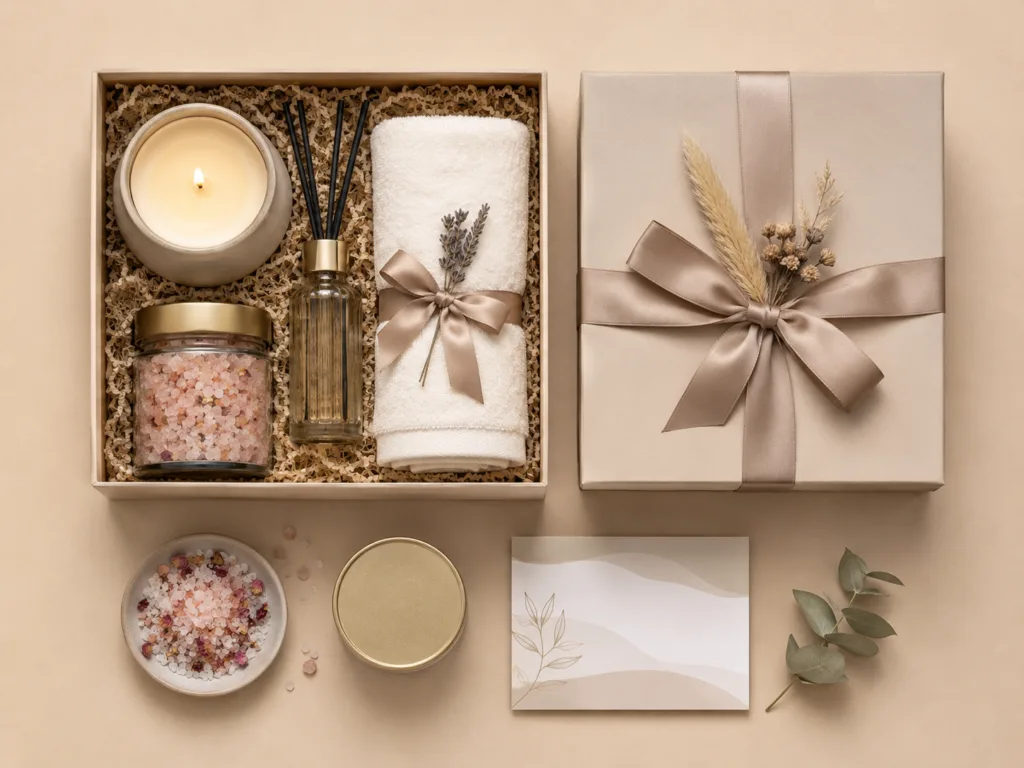
Low temperature candles are excellent for gift packaging. A rigid box, drawer box, sleeve box, or window box can elevate the product from a functional item to a premium ritual gift.
Possible gift set combinations include:
- Massage candle + bath salt
- Massage candle + small towel
- Massage candle + body oil
- Massage candle + diffuser
- Massage candle + room spray
- Massage candle + spa headband
- Massage candle + hotel towel
- Massage candle + romantic gift card
For a brand that wants to build a full wellness line, combining candles with towels, bath textiles, or spa accessories can create a higher-value gift set and a stronger retail display.
This is also where a supplier with both candle and textile sourcing ability can offer a real advantage. Instead of managing multiple factories, the buyer can develop a more complete wellness gift concept through one coordinated supply chain.
7. Safety, Claims, and Compliance: What B2B Buyers Should Watch Carefully
Low temperature candles need careful language. The product may sit close to candle, cosmetic, body care, and adult wellness categories at the same time. The wrong claim can create risk.
B2B buyers should avoid treating a massage candle like a medical or therapeutic product unless they have the required testing and regulatory support. Claims such as “heals pain,” “treats anxiety,” “cures insomnia,” or “repairs skin” can create compliance problems in many markets.
Safer positioning language usually focuses on:
- Warm massage experience
- Relaxing ritual
- Soft skin-feel
- Spa-inspired self-care
- Sensory wellness
- Romantic atmosphere
- Comfortable glide
- Gentle fragrance experience
Important safety and compliance considerations include:
- Ingredient transparency
- Fragrance suitability for intended use
- Allergen review
- Usage instructions
- Patch test recommendation
- Burn testing
- Vessel heat testing
- Packaging warning labels
- Market-specific labeling rules
- Importer responsibilities
The buyer should also be careful not to imply that any regular candle can be used on skin. A low temperature massage candle should be developed as a dedicated formula with appropriate usage instructions.
For adult lifestyle stores, the packaging should also clearly distinguish massage candles from high-heat wax play candles. Not every “body candle” has the same intended use, temperature profile, or safety positioning.
In short: a premium product needs premium clarity.
8. MOQ and Customization: What Is Realistic?
MOQ depends on how much customization the buyer wants.
Low temperature candle projects can be simple or complex. A buyer who wants a stock jar, standard formula, and custom label can usually move faster than a buyer who wants a custom vessel, custom scent, custom formula, rigid gift box, insert, instruction card, and multiple fragrance SKUs.
Here is a practical way to think about it.
Level 1: Stock Vessel + Custom Label
This is the best option for market testing.
It is suitable for:
- New spa brands
- Small wellness retailers
- Boutique shops
- Adult lifestyle stores testing a new category
- Seasonal gift projects
- Subscription boxes
The buyer can choose an existing vessel, use a proven formula direction, and add custom labeling. This reduces development time and avoids the high setup cost of custom packaging.
Level 2: Custom Scent + Stock Vessel
This is suitable for brands that want differentiation without full custom development.
A custom scent helps create brand memory. For example, a spa brand may want a signature sandalwood lavender blend. An adult lifestyle brand may want amber vanilla musk. A boutique retailer may want fig, cashmere, and white tea.
The vessel remains stock, but the scent becomes more ownable.
Level 3: Custom Formula + Custom Packaging
This is better for brands with stronger retail plans.
The buyer may want a vegan formula, a specific butter blend, a softer skin feel, a luxury fragrance direction, a custom gift box, or a more premium label system.
This level usually requires more sampling and higher MOQ because the supplier needs to test formula stability, wick performance, packaging fit, and production consistency.
Level 4: Full ODM Wellness Gift Set
This is the most strategic option for mature buyers.
A full gift set can include:
- Low temperature massage candle
- Spa towel or hand towel
- Bath salt
- Diffuser
- Room spray
- Body oil
- Instruction card
- Rigid gift box
- Custom insert
- Retail sleeve
For hotels, resorts, spa chains, boutique retailers, and importers, this type of set can support higher perceived value and stronger seasonal sales.
A mature buyer should not only ask “What is the unit price?” The better question is:
What product format gives us the best margin, the strongest shelf impact, and the clearest reason for customers to buy now?
9. Scent Strategy for Different Channels
Scent should match the retail environment.
A low temperature candle for a spa should not smell like a novelty adult product. A sensual wellness candle should not smell like a generic hotel lobby candle. A boutique gift candle should not smell too medicinal.
The scent direction should support the buyer’s channel and brand story.
For Spa and Massage Studios
Best directions:
- Lavender and chamomile
- Sandalwood and white tea
- Eucalyptus and mint
- Hinoki and cedar
- Neroli and soft musk
The goal is calm, clean, and professional.
For Wellness Brands
Best directions:
- Bergamot and sage
- Green tea and bamboo
- Coconut milk and vanilla
- Fig and soft woods
- Herbal citrus
The goal is self-care, balance, and daily ritual.
For Adult Lifestyle Stores
Best directions:
- Amber and vanilla
- Rose and musk
- Tonka bean and sandalwood
- Ylang ylang and coconut
- Dark plum and cashmere
The goal is sensual but elegant. Packaging should reduce embarrassment and increase giftability.
For Boutique Gift Shops
Best directions:
- White musk and iris
- Fig and cedar
- Peony and cashmere
- Sea salt and sage
- Vanilla orchid
The goal is beautiful shelf appeal and easy gifting.
For Hotels and Resorts
Best directions:
- Clean linen
- White tea
- Bamboo
- Citrus blossom
- Soft sandalwood
The goal is premium hospitality, not overpowering fragrance.
For B2B buyers, the best scent strategy is rarely “make it as strong as possible.” For massage candles, the better goal is controlled intimacy: noticeable, pleasant, close to the body, but not aggressive.
10. Neuromarketing Principles That Help Low Temperature Candles Sell
Low temperature candles are naturally suited to sensory marketing, but the brand still needs to present them correctly.
Here are several principles buyers can use when developing packaging, product pages, and retail displays.
1. Make the Ritual Visible
Customers buy faster when they understand the usage sequence.
Use simple icons or short copy:
Light. Melt. Blow Out. Test. Massage.
This reduces uncertainty and makes the product feel safe and easy.
2. Use Texture Words
Words such as warm, soft, silky, creamy, smooth, melting, and glide help the customer imagine the experience.
Texture language is powerful because it creates a physical expectation in the mind. The customer begins to feel the product before opening it.
3. Sell the Moment, Not Only the Ingredient
Ingredients matter, but the emotional scene closes the sale.
Instead of only saying “soy wax, shea butter, coconut oil,” connect the ingredients to the ritual:
A warm, silky massage oil experience designed for slow evenings, spa rituals, and intimate gifting.
4. Reduce Purchase Embarrassment
This is especially important for adult lifestyle stores.
Elegant packaging, neutral color palettes, premium typography, and wellness-coded language make the product easier to buy as a couple gift or self-care item.
A product that looks too explicit may narrow the audience. A product that feels sensual but tasteful can reach a wider customer base.
5. Create Gift Logic
Consumers are more willing to buy products they can justify as gifts.
Packaging should make the product feel ready to give. A rigid box, instruction card, and premium label can increase perceived value more than a minor formula upgrade.
6. Use Contrast on Product Pages
Show the difference between a regular candle and a massage candle:
- Regular candle: fragrance for the room
- Low temperature massage candle: fragrance, warmth, and touch
Contrast makes the product easier to understand.
11. What Mature B2B Buyers Should Ask Before Ordering
Before placing a bulk order, a serious buyer should ask the supplier the right questions.
Here is a practical checklist:
- Have you developed low temperature massage candles before?
- What wax, oil, and butter options can you support?
- Can the formula be adjusted for different melt points and skin feel?
- Can you create custom fragrances for spa, wellness, adult, or boutique retail channels?
- How do you test wick performance with this softer formula?
- What vessels are suitable for pouring or massage use?
- Can you provide ingredient information and safety documents?
- Can you support warning labels and instruction cards?
- What is the MOQ for stock vessels?
- What is the MOQ for custom packaging?
- Can you support gift box development?
- Can you combine massage candles with towels or other spa accessories?
- Can you handle sample development before bulk production?
- Can you arrange DDP shipping to the United States, Europe, the United Kingdom, Australia, or other overseas markets?
- How do you protect soft wax products during shipping and storage?
These questions help separate a basic candle supplier from a supplier who can actually support a commercial product launch.
12. Common Product Formats for Bulk Buyers
Low temperature candles can be developed in many formats. The best choice depends on the channel, price point, and target customer.
Small Tin Massage Candle
A small tin is practical for testing, travel, gift sets, and subscription boxes. It is lightweight and less fragile than glass. It can work well for adult lifestyle stores and wellness sample kits.
Amber Glass Massage Candle
Amber glass gives a warm, apothecary-style appearance. It works well for natural wellness, spa, herbal, and boutique body care brands.
Ceramic Massage Candle
Ceramic vessels create a more premium look. They are better for luxury retail, but they usually require higher MOQ and higher packaging protection.
Pour-Spout Vessel
A vessel with a pouring lip can improve the usage experience. It is especially suitable for massage candle positioning, but the vessel design must be tested carefully for production feasibility and shipping safety.
Gift Box Set
A gift set is often the best format for higher perceived value. Instead of selling one candle, the brand can sell a complete ritual.
Examples:
- Massage candle + towel
- Massage candle + body oil
- Massage candle + bath salt
- Massage candle + diffuser
- Massage candle + romantic card
- Massage candle + spa accessories
For large buyers, gift sets also create better seasonal planning opportunities for Valentine’s Day, Mother’s Day, Christmas, Black Friday, bridal gifting, hotel packages, and spa promotions.
13. Why Supply Chain Experience Matters
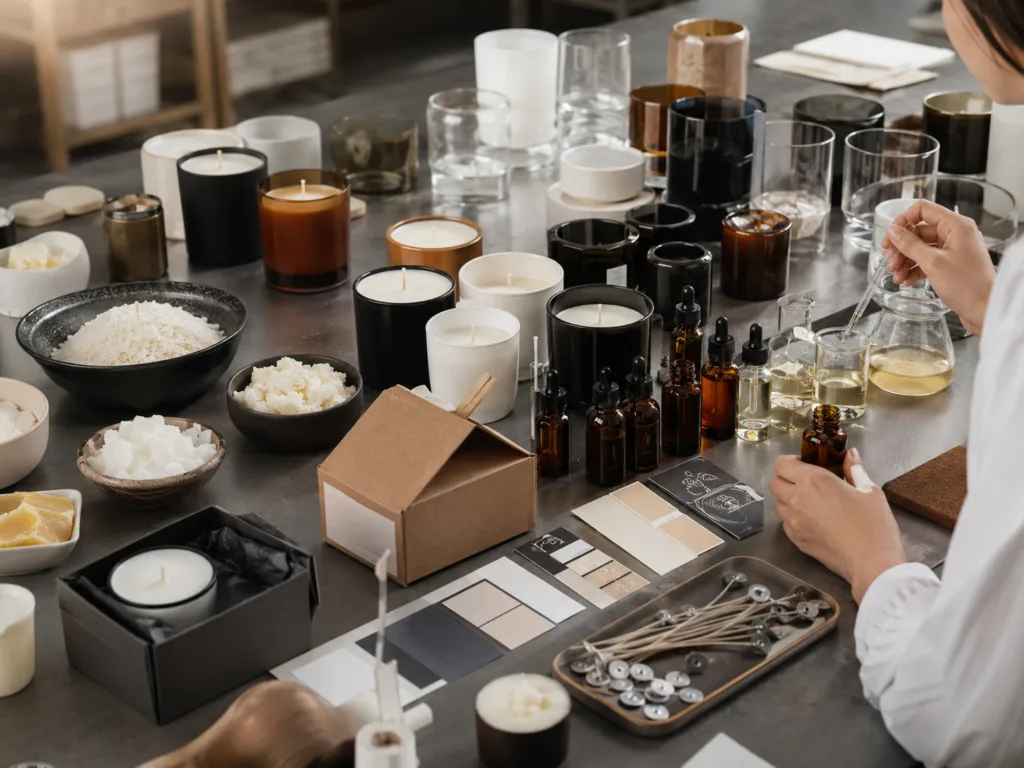
Low temperature candles look simple from the outside. In production, they are not simple.
A supplier has to coordinate formula, fragrance, wick, vessel, label, box, insert, instruction card, carton packing, and logistics. When the product is softer than a regular candle, shipping and storage conditions become more important.
For overseas buyers, the supplier also needs to understand export documentation, packing methods, freight options, sample timing, and DDP delivery requirements.
This is where a strong candle supply chain becomes valuable.
At Circe Home, we support B2B buyers with private label low temperature candle development from concept to shipment. Our supply chain can support formula direction, fragrance customization, vessel sourcing, packaging development, sample management, bulk production, and international DDP delivery.
For buyers developing spa, massage, sensual wellness, boutique gift, hotel amenity, or private label body ritual products, this type of supply chain support can reduce development friction. Instead of asking one factory for wax, another for packaging, another for fragrance, and another for logistics, buyers can work through a more integrated development process.
For mature buyers, this matters because the real cost of a product is not only the unit price. It is also the cost of delays, wrong samples, unclear packaging, failed positioning, unstable production, and logistics problems.
A good supplier helps the buyer avoid these hidden costs.
14. How to Build a Profitable Low Temperature Candle Line
A strong product line usually needs more than one SKU.
For B2B buyers, here are several practical product line structures.
Three-Scent Spa Collection
- Relax: lavender, chamomile, sandalwood
- Restore: eucalyptus, white tea, cedar
- Sleep: vanilla, musk, soft woods
This works well for spas, wellness brands, and boutique retailers.
Sensual Wellness Collection
- Warm Amber
- Rose Musk
- Vanilla Tonka
This works well for adult lifestyle stores and romantic gift channels.
Hotel Spa Amenity Collection
- White Tea
- Bamboo Citrus
- Soft Sandalwood
This works well for hotels, resorts, and spa retail.
Luxury Gift Set Collection
- Massage candle
- Hand towel
- Bath salt
- Diffuser
- Rigid gift box
This works well for importers, gift retailers, and seasonal campaigns.
Trial-to-Bulk Strategy
For new buyers, a practical path is:
- Start with a stock vessel and custom label.
- Test two or three fragrance directions.
- Collect customer feedback.
- Upgrade bestsellers into custom packaging.
- Expand into gift sets or larger retail programs.
This reduces risk while still building a differentiated product line.
15. Final Thoughts: Low Temperature Candles Are a Serious B2B Opportunity
Low temperature candles are not just a trend name. They are a bridge between candle, massage, body care, sensual wellness, spa retail, and gifting.
For B2B buyers, the opportunity is strongest when the product is developed with a clear channel in mind. A spa candle, an adult lifestyle candle, a boutique gift candle, and a hotel amenity candle should not all look, smell, and feel the same.
The best products are built around the full experience:
- The formula melts into a warm, pleasant texture.
- The fragrance supports the usage moment.
- The vessel feels safe and premium.
- The packaging explains the ritual clearly.
- The claims stay controlled and credible.
- The gift format increases perceived value.
- The supplier can support stable bulk production.
For mature buyers, this is where the category becomes interesting. Low temperature candles can be more than a single SKU. They can become a signature wellness product, a spa retail bestseller, a romantic gift line, or a premium private label collection.
If you are developing low temperature candles for massage, spa, wellness, adult lifestyle, boutique retail, hotel, or private label gift programs, Circe Home can help you turn the idea into a finished product.
We support custom fragrance development, low temperature candle supply chain sourcing, vessel and packaging selection, sample development, gift set planning, bulk production, and DDP delivery for overseas B2B buyers.
A good low temperature candle does not only melt at the right temperature. It helps your customer imagine the right moment.
And in retail, that moment is often what sells.
FAQ
1. What is the difference between a low temperature candle and a regular scented candle?
A low temperature candle is usually formulated with a softer, lower-melting wax system designed for warm oil-like texture and massage or wellness rituals. A regular scented candle is mainly developed for room fragrance, burn time, and atmosphere. Regular scented candles should not be used on skin unless they are specifically developed and labeled for that purpose.
2. Can low temperature candles be customized for private label brands?
Yes. B2B buyers can customize low temperature candles by formula direction, fragrance, vessel, label, box, instruction card, gift set format, and target market positioning. Common channels include spa brands, wellness retailers, adult lifestyle stores, boutique gift shops, hotels, and private label beauty brands.
3. What should buyers consider before ordering low temperature massage candles in bulk?
Buyers should consider formula stability, melt point, skin feel, wick testing, fragrance softness, vessel suitability, usage instructions, warning labels, packaging design, MOQ, sample testing, and shipping conditions. For overseas buyers, DDP logistics and proper carton protection are also important for bulk orders.