
Introduction: A Retail Decision, Not a Craft Debate
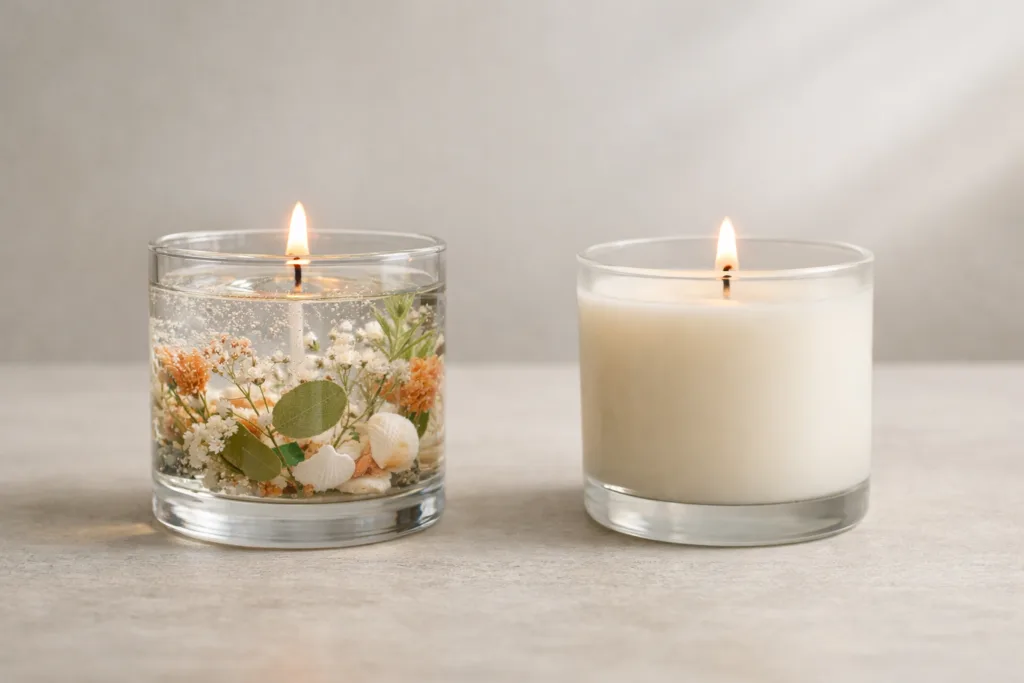 In today’s global home fragrance market, choosing between gel candles and wax candles is no longer a question of personal preference or DIY technique. For retailers, brand owners, and private‑label buyers, it is a commercial decision—one that directly affects shelf appeal, safety compliance, margins, repeat orders, and long‑term scalability.
From the manufacturing side, we often see buyers asking the wrong question: Which candle is better?
The more relevant question is:
Which candle type is better for your store, your customers, and your business model?
This guide is written from a manufacturer’s perspective, based on real production constraints, MOQ structures, safety requirements, and retail performance across North America, Europe, and Oceania. If you are sourcing candles for wholesale, private label, or brand expansion, this comparison will help you make a decision grounded in reality—not trends alone.
1. What Are Gel Candles and Wax Candles?
Before comparing performance and profitability, it’s important to clarify what we mean by gel and wax candles at a manufacturing level.
What Is a Gel Candle?
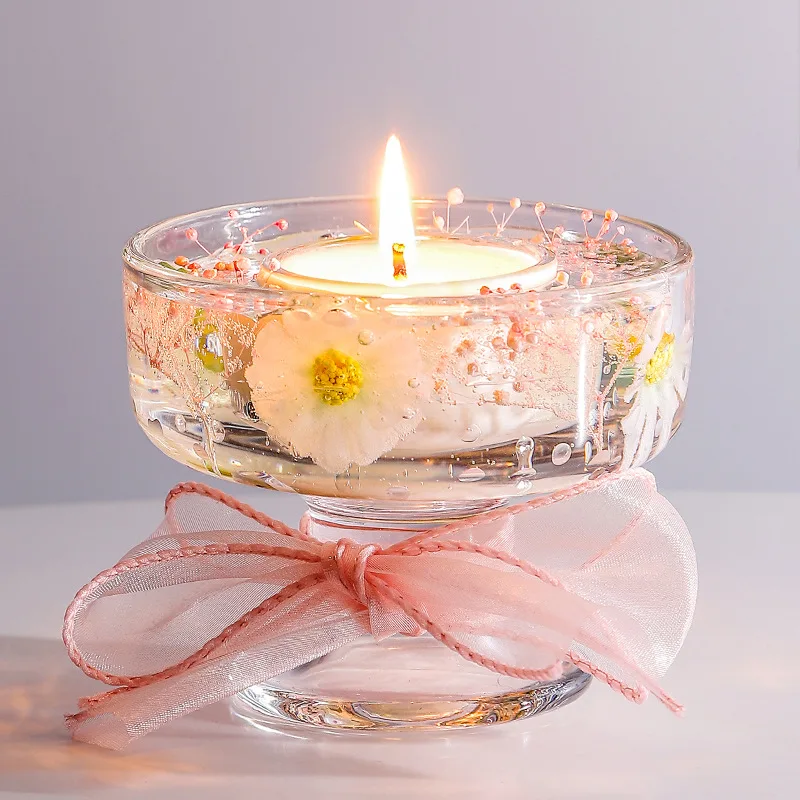 A gel candle is made from transparent gel fuel, typically mineral‑oil‑based and polymer‑stabilized, creating a clear, jelly‑like consistency. Unlike traditional wax, gel allows objects to be embedded inside the candle body—such as dried flowers, shells, fruit slices, or decorative elements.
From a production standpoint, gel candles are:
- Highly visual and decorative
- Heat‑sensitive during pouring
- More demanding in safety control
- Often positioned as statement or gift products
Gel candles are rarely mass‑market commodities. They are designed to be noticed.
What Is a Wax Candle?
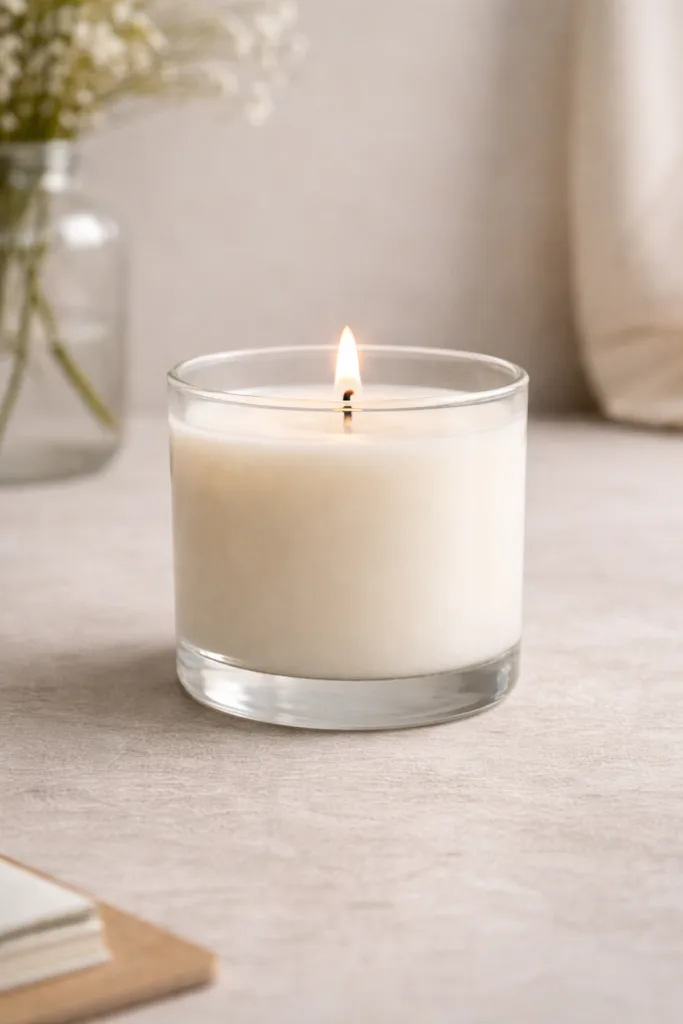 Wax candles include a wide family of materials, most commonly:
- Soy wax
- Paraffin wax
- Coconut or blended waxes
- Beeswax (niche and premium)
Wax candles are opaque, versatile, and structurally stable. They dominate the global scented candle market due to their flexibility in scent performance, container compatibility, and large‑scale production.
From a manufacturing perspective, wax candles are:
- Easier to scale
- More forgiving in production
- Compatible with a wider range of vessels
- Better suited for repeat retail programs
2. Visual Impact: Shelf Appeal and Customer Attention
For physical retail, visual impact is often the first conversion trigger. Here, gel candles and wax candles perform very differently.
Gel Candles: Designed to Stop the Eye
Gel candles excel in visual differentiation. Their transparency allows:
- Embedded botanicals or objects
- Layered color effects
- Sculptural or artistic compositions
In boutique stores, concept shops, and museum gift shops, gel candles often function as decorative objects first, candles second. They photograph well, attract attention on shelves, and perform strongly on social media platforms such as Instagram and Pinterest.
However, this same visual complexity increases:
- Production time
- Defect risk
- Quality inspection requirements
Wax Candles: Quiet Consistency
Wax candles rely less on visual novelty and more on:
- Vessel design
- Labeling
- Brand identity
While they may not stop traffic as dramatically as gel candles, wax candles integrate seamlessly into cohesive collections. This makes them ideal for brands focused on:
- Minimalist aesthetics
- Interior harmony
- Long‑term line building
From a manufacturing standpoint, wax candles are easier to standardize, which translates into more consistent retail presentation across batches.
3. Scent Performance and Burning Experience
For home fragrance brands, scent is not optional—it is the product.
Scent Throw: Gel vs Wax
Wax candles generally outperform gel candles in scent diffusion, particularly when:
- Using soy or blended wax systems
- Paired with optimized wick sizing
Gel candles can carry fragrance, but their scent throw is typically lighter and more localized. This makes them better suited for:
- Small spaces
- Decorative or ambient use
- Gift products where scent subtlety is preferred
Burning Behavior
- Wax candles offer predictable melt pools and burn cycles
- Gel candles burn with a clear flame but require stricter wick control
From a safety perspective, gel candles demand greater attention to:
- Wick positioning
- Distance from embedded objects
- End‑of‑burn behavior
For retailers, this means clearer usage instructions and higher responsibility in customer education.
4. Safety, Compliance, and Risk Management
 Safety is where many gel candle projects fail—not because gel is unsafe, but because it is less forgiving.
Gel Candle Safety Considerations
Manufacturers must strictly control:
- Embed materials (non‑flammable, non‑reactive)
- Wick clearance
- Container heat resistance
In many markets, gel candles face closer scrutiny from:
- Retail compliance teams
- Insurance providers
- Import regulations
This does not mean gel candles are unsuitable for retail—but they require experienced manufacturing partners and clear compliance documentation.
Wax Candle Compliance Advantages
Wax candles benefit from:
- Established testing standards
- Easier certification pathways
- Broader market acceptance
For large retailers and long‑term wholesale programs, wax candles generally carry lower regulatory friction.
5. Cost Structure, MOQ, and Profit Margins
This is often the deciding factor for buyers.
Gel Candles: Higher Unit Value, Higher Complexity
Typical characteristics:
- Higher labor cost
- Longer production time
- Medium to high MOQs
- Higher perceived retail value
Gel candles are best positioned as:
- Limited editions
- Seasonal collections
- Premium gift items
Wax Candles: Flexible and Scalable
Wax candles offer:
- Lower entry MOQs
- Better cost control
- Easier price segmentation
This makes them ideal for:
- Private label programs
- Ongoing retail lines
- Multi‑SKU collections
From a margin perspective, wax candles often deliver more stable long‑term profitability, while gel candles offer short‑term differentiation.
6. Matching Candle Type to Store Strategy
Different retail models benefit from different candle types.
Gel Candles Are Ideal For:
- Concept stores
- Museum and gallery shops
- Seasonal gift assortments
- Visual merchandising‑driven retail
Wax Candles Are Better For:
- Home fragrance brands
- Lifestyle retailers
- Subscription or refill programs
- Wholesale distribution
Many successful brands use both, assigning each candle type a clear commercial role.
7. Side‑by‑Side Comparison
| Aspect | Gel Candles | Wax Candles |
|---|---|---|
| Visual impact | Very high | Moderate |
| Scent throw | Light to medium | Medium to strong |
| Production complexity | High | Low to medium |
| MOQ flexibility | Medium | High |
| Compliance burden | Higher | Lower |
| Best retail role | Statement / gift | Core collection |
8. Final Recommendation: It’s Not Either–Or
 From a manufacturing perspective, the most resilient retail strategies do not choose between gel or wax—they assign each material a purpose.
- Use gel candles to attract attention, create buzz, and elevate perceived value
- Use wax candles to build consistency, repeat sales, and scalable margins
Choosing the right candle type is not about trends. It is about aligning material, manufacturing reality, and retail strategy.
For brands sourcing candles today, clarity matters more than novelty. And the right manufacturing partner should help you evaluate both.
Frequently Asked Questions (FAQ)
1. Are gel candles safe to sell in retail stores?
Yes—when properly manufactured and tested. Gel candles require stricter control over wick placement, embedded materials, and container heat resistance. From a retail perspective, working with an experienced manufacturer that understands gel‑specific safety standards is essential. Poorly made gel candles carry higher risk, but professionally produced gel candles are widely sold in boutique and specialty retail channels.
2. Do gel candles have a strong scent throw compared to wax candles?
In general, wax candles provide a stronger and more consistent scent throw than gel candles. Gel candles are better suited for light, ambient fragrance rather than intense room‑filling scent. For brands where fragrance performance is the primary selling point, wax candles are usually the better core product.
3. Which candle type is more profitable for private‑label brands?
Profitability depends on positioning. Wax candles offer better long‑term margin stability due to lower production complexity and easier scaling. Gel candles, however, often command higher retail prices and work well as limited editions or premium gift items. Many private‑label brands use wax candles for core lines and gel candles for seasonal or visual statement products.
4. Can a brand sell both gel and wax candles in one collection?
Absolutely. From a manufacturing standpoint, a hybrid strategy is often the most commercially resilient. Gel candles can attract attention and differentiate the brand visually, while wax candles support repeat purchases and restocking. The key is assigning each candle type a clear role within the overall product structure.