
Introduction: Why Candles Still Matter in Quiet Luxury Design
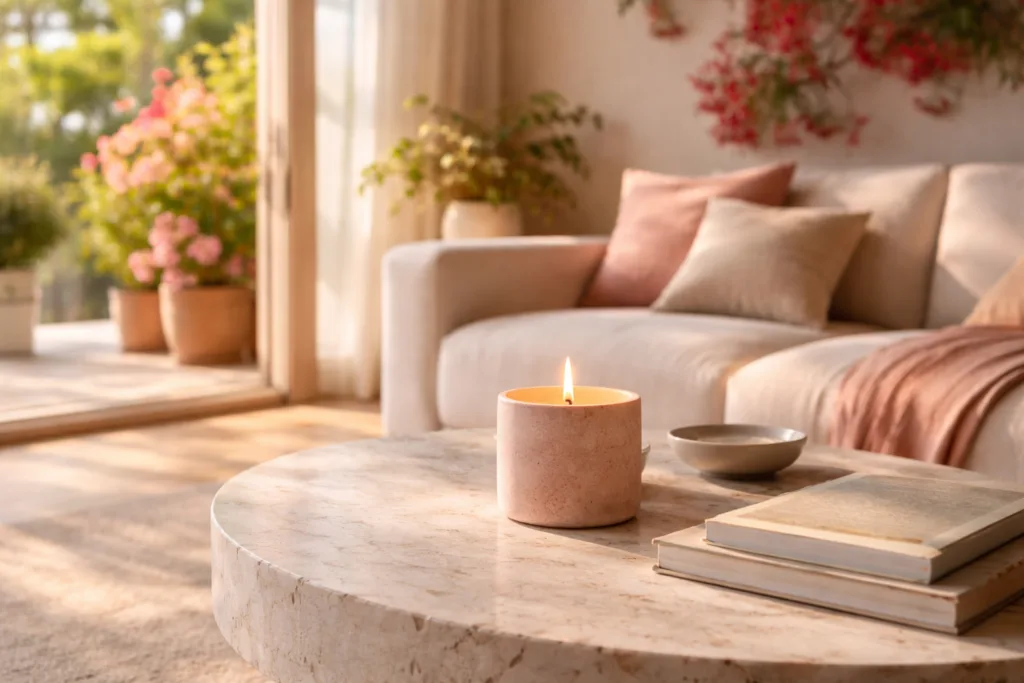 As interior designers, we spend much of our time thinking about structure: walls, floors, ceilings, and light. We debate finishes, proportions, and how a space should feel rather than how it should impress. In the world of quiet luxury, this mindset becomes even sharper. Nothing is loud. Nothing is accidental. Every element must earn its place.
Candles, at first glance, may seem minor compared to stone slabs or custom millwork. Yet in quiet luxury interiors, candles often play a more important role than decorative objects or even artwork. They soften spaces that are otherwise precise. They introduce warmth without visual clutter. And most importantly, they help a room feel lived in without feeling styled.
This article explores candle choices from the professional interior designer’s perspective. Not as a consumer shopping for fragrance, but as a designer shaping atmosphere, rhythm, and emotional comfort. We will look at how candles function in quiet luxury interiors, what makes a candle suitable (or unsuitable), and how designers can choose candles that quietly elevate a space rather than compete with it.
Understanding Quiet Luxury: The Design Context
Before discussing candles, it is important to understand the design philosophy they must serve.
Quiet luxury is not minimalism for its own sake. It is not about empty rooms or cold perfection. Instead, it focuses on:
- Timeless materials
- Balanced proportions
- Muted, natural color palettes
- Subtle craftsmanship
- A sense of calm permanence
Quiet luxury interiors often rely on stone, wood, linen, wool, plaster, and ceramic. These materials already carry visual and tactile richness. Because of this, decorative elements must be chosen carefully. Anything too expressive, trendy, or overly branded can disrupt the balance.
Candles, when chosen well, support this language. When chosen poorly, they immediately break it.
The True Role of Candles in Interior Design
Candles Are Not Accessories
In retail or lifestyle marketing, candles are often treated as accessories or mood pieces. In interior design, this approach is too shallow.
From a designer’s point of view, a candle is closer to a soft architectural element. It interacts with:
- Light (both natural and artificial)
- Surfaces and textures
- Human movement and stillness
Unlike lamps or sconces, candlelight is not fixed. It moves gently. It responds to air and presence. This movement adds a layer of life to otherwise still environments.
Softening Hard Architecture
Quiet luxury interiors often feature strong geometry: clean lines, solid volumes, and carefully controlled symmetry. While this creates elegance, it can also feel rigid if not balanced.
A candle flame introduces:
- Micro-movement
- Warm color temperature
- Organic irregularity
Placed correctly, a candle can soften a stone console, warm a concrete wall, or make a large space feel more intimate without changing the architecture itself.
Creating Emotional Transitions
Designers think in zones: entry, transition, rest, focus. Candles help signal emotional shifts within a space.
For example:
- In an entryway, a candle suggests welcome.
- In a living room, it suggests slowing down.
- In a bedroom, it signals rest rather than activity.
This emotional guidance is especially important in quiet luxury homes, where visual cues are intentionally subtle.
What Makes a Candle Suitable for Quiet Luxury Interiors
Material Comes First
For interior designers, material always leads the decision-making process. The same is true for candles.
The most suitable candle vessels for quiet luxury interiors typically include:
- Natural stone (marble, travertine, onyx-inspired finishes)
- Unglazed or softly glazed ceramic
- Frosted or hand-blown glass
These materials align with the tactile richness of quiet luxury spaces. They feel honest. They age well. They do not rely on novelty.
Materials to avoid include:
- High-gloss plastics
- Bright metallic finishes
- Trend-driven shapes or novelty forms
Such materials pull attention toward the object itself rather than allowing it to support the space.
Color Language: Restraint Over Contrast
Color in quiet luxury interiors is rarely about contrast. Instead, it is about tone and depth.
Candle vessels should sit comfortably within neutral palettes:
- Warm whites
- Soft beiges
- Mineral greys
- Washed earth tones
A candle should never introduce a new color story unless intentionally designed as a focal point. In most cases, designers prefer candles that blend in visually and reveal their presence only through light and atmosphere.
Proportion and Scale
Even the most beautiful candle can feel wrong if the scale is off.
Interior designers consider:
- Surface size (table, console, shelf)
- Ceiling height
- Viewing distance
A small candle on a large dining table can feel lost. An oversized candle on a delicate side table can feel aggressive.
Quiet luxury favors balanced proportions. Candle height, diameter, and visual weight should feel stable and grounded.
Branding Should Be Invisible or Secondary
From a professional design perspective, visible branding is often a problem.
Interior designers work across multiple clients, styles, and projects. A candle with dominant logos or text limits flexibility and dates the space.
For quiet luxury interiors, the best candles:
- Have no visible branding
- Use subtle labels that can be removed
- Feature tone-on-tone markings
The space should speak louder than the product.
Understanding Scent from a Designer’s Perspective
Scent Is Not Identity
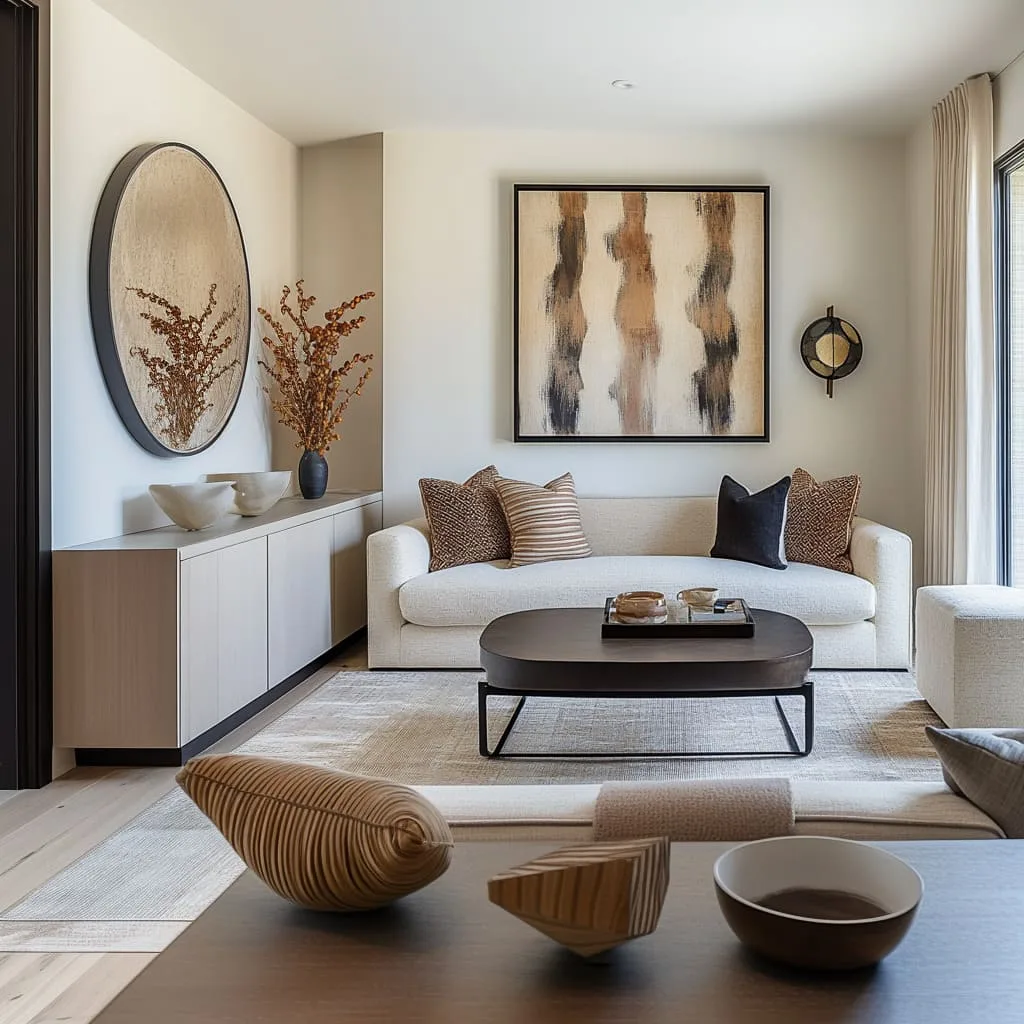 One of the most common mistakes is treating candle scent as a signature.
In interior design, scent is rarely about expressing personality. It is about supporting atmosphere.
Designers ask different questions than consumers:
- Does this scent belong to the space or the person?
- Will it interfere with natural materials?
- Can it be lived with daily?
Quiet luxury spaces often benefit from scents that feel like part of the environment rather than an added layer.
Preferred Scent Families for Quiet Luxury
Interior designers often gravitate toward scent profiles that are:
- Low projection
- Balanced
- Non-sweet
Commonly favored directions include:
- Soft woods (cedar, sandalwood)
- Resins and light amber
- Herbal notes (sage, rosemary, tea)
- Subtle smoke or incense
These scents do not dominate. They sit quietly in the background, enhancing the feeling of depth and calm.
Why Designers Avoid Strong Signature Scents
Strong scents create memory quickly, but they also fatigue quickly.
In homes, hotels, and long-term spaces, overpowering fragrance becomes tiring. It can also clash with:
- Food
- Personal perfume
- Seasonal changes
Quiet luxury favors longevity. A candle scent should feel comfortable on day one and still feel appropriate months later.
Practical Applications in Real Design Projects
Private Residences
In residential projects, candles are often placed where people naturally pause:
- Entry consoles
- Coffee tables
- Bedside tables
Designers usually select medium-sized candles with soft vessels that visually anchor the surface without dominating it.
In these spaces, the candle’s role is emotional rather than decorative.
Boutique Hotels and Serviced Apartments
Hospitality spaces require a different approach.
Designers must consider:
- Consistency across rooms
- Maintenance and safety
- Guest sensitivity to scent
For these projects, neutral vessels and refillable formats are often preferred. The candle becomes part of the brand experience without drawing attention to itself.
Show Apartments and Property Staging
In staging environments, candles help suggest lifestyle.
They indicate:
- Calm evenings
- Thoughtful living
- A sense of quiet success
Designers typically choose unscented or very lightly scented candles for these settings to avoid distraction.
Concept Stores and Galleries
In retail and gallery environments, candles are used sparingly.
Here, the goal is to add warmth without competing with products or art. Designers often place candles near seating areas or transitional zones rather than display areas.
Why Customization Matters to Interior Designers
Interior designers value flexibility. No two projects are identical.
Customizable candle options allow designers to:
- Match vessel materials to project palettes
- Adjust scent intensity
- Choose sizes appropriate for different spaces
Importantly, designers often prefer candles that do not force a brand identity into the space. Neutral, customizable options allow the interior itself to remain the focus.
A Designer’s Checklist for Choosing Candles in Quiet Luxury Interiors
Before selecting a candle, experienced designers often ask:
- Does this candle support the space or distract from it?
- Will it age well over time?
- Can it exist without explanation?
- Would the space feel empty if it were removed?
If the answer to the last question is yes, the candle is likely doing its job.
Final Thoughts: When a Candle Disappears, You Know It Works
In quiet luxury interiors, success is measured by feeling rather than attention.
The best candles do not announce themselves. They do not demand compliments. They quietly shape atmosphere, soften space, and support human presence.
As interior designers, our goal is not to decorate but to create environments that feel effortless and lasting. When a candle disappears into the space—yet its absence would be noticed—that is when it truly belongs.
Candles chosen with care are not trends. They are tools. And in quiet luxury interiors, they are some of the most powerful tools we have.