
Why $2,000 Is the Standard Candle Business Budget
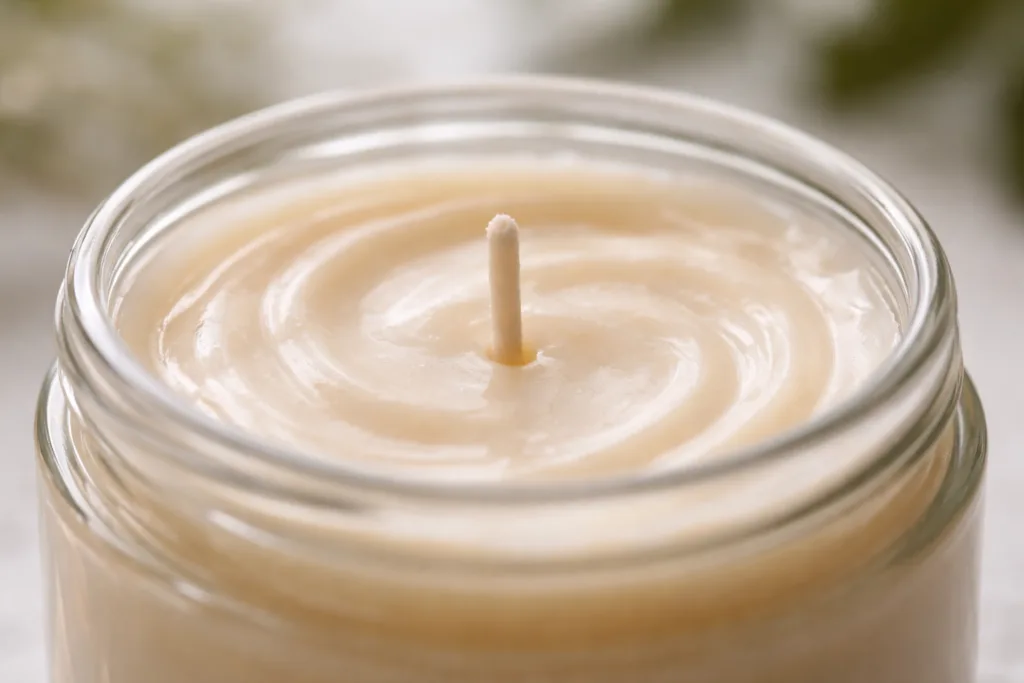
The $2,000 benchmark is not arbitrary—a strategic entry point balancing production volume, fragrance customization, and brand presentation. This sum typically covers the minimum order quantity (MOQ) required for professional manufacturing, fragrance development, container selection, and basic private-label packaging. Industry benchmarks, including those established by specialists like Circe Home, highlight that this budget secures quality wax blends (such as soy-coconut or beeswax), high-performing wicks, certified fragrance systems, and compliant packaging—all without overspending on early-stage excesses. Here’s how the baseline breaks down:
- Wax, wick, and fragrance costs for MOQ (often 200–300 units)
- Custom container deposit and sample development
- Brand labels, basic boxing or sleeves
- Compliance testing (IFRA, CLP labeling)
- Initial logistics and setup fees
MOQ (Minimum Order Quantity) and Its Budget Impact
MOQ is a critical determinant in your start-up budget: it typically refers to the lowest quantity a manufacturer will accept for a custom run. For luxury candle production, most OEM/ODM providers set MOQ between 200–500 pieces, which directly affects material purchasing, per-unit costs, and custom packaging options. Selecting the right MOQ preserves cash flow and reduces risk—especially vital if you’re sampling new scent blends or vessel styles.
- Lower MOQs (e.g., 100–200) mean higher unit prices—less negotiation leverage
- Higher MOQs (e.g., 300+) unlock custom blends and premium packaging at reduced rates per candle
- MOQ affects logistics: bulk shipping vs. small-batch courier rates
- Some factories, such as Circe Home, offer tiered pricing models for start-ups
How to Maximize a Small Candle Business Budget
Entrepreneurs working with a $2,000–$3,500 budget have three keys to success: strategic material choices, minimal viable customization, and careful supplier selection. Avoiding costly mistakes starts with understanding where funds matter most:
- Choose proven wax blends: soy-coconut for clean burn, decent scent throw, and easy compliance
- Prioritize scent systems—the right fragrance load and curing time impacts performance and perceived value
- Select simple containers (glass jars or tins) instead of complex ceramics or concrete for lower MOQs
- Order combined testing (burn profile, fragrance dispersion) to avoid defects
- Begin with neutral packaging, upgrading to specialty finishes as sales grow
“Circe Home Lab Insight: A well-matched wick and wax blend reduces soot risk and maximizes burn time, even in budget-conscious formulations.”
Candle Wax Blends, Fragrance Load, and Performance vs. Price
Wax and fragrance dominate both budget and scent quality. Soy and coconut blends deliver clean burn and strong throw, while beeswax and rapeseed offer premium positioning but increase cost. Fragrance systems—essential oil vs. fragrance oil—require careful pairing with waxes; cold throw, hot throw, and max fragrance load (% by weight) must be tested for stability and compliance.
| Wax Type | Max Fragrance Load (%) | Burn Time (200g) | Visual | Pros | Cons |
|---|---|---|---|---|---|
| Soy | 8–10 | 35+ hrs | Frost-prone, creamy | Eco-friendly, clean | Frosting risk |
| Coconut | 10–12 | 38+ hrs | Glossy, opaque | Scent retention | Costlier |
| Beeswax | 7–8 | 30+ hrs | Gold, smooth | Premium, hypoallergenic | High cost |
| Rapeseed | 8–10 | 36+ hrs | Pale, matte | Sustainable | Limited supplier base |
| Paraffin | 10–12 | 40+ hrs | Clear, bright | Strong scent throw | Less eco-friendly |
Performance Tips:
- Avoid overloading with fragrance—excess leads to poor burn and compliance issues
- Cure candles for minimum 48 hours before QC to ensure even scent distribution
- Select wicks sized for vessel diameter and blend: cotton for glass, wood for tins
Container Selection and Cost Control
Choosing the right vessel affects both brand perception and unit cost. Standard glass jars and tins provide strong visual appeal, good seal integrity, and broad compatibility with most wax blends. Specialty vessels (ceramics, concrete) drive up cost and MOQ, so small budgets should stick to classic formats. Popular coatings include matte, glossy, and metallic, offering brand flexibility at a modest upcharge.
Container Customization Checklist:
- Glass jars: wide-mouth, food-grade, UV resistant
- Tins: double-sealed, non-rusting, optional embossing
- Decorative sleeves or boxes: consider minimum feasible design
- Label orientation: front face or wraparound, premium finishes as sales scale
Quality Control and Regulatory Testing on a Budget
Ensuring every custom candle is safe to burn and legally compliant protects your investment. Even at low MOQs/QC, you must complete burn profile tests, wick centering accuracy (within 2mm of vessel center), and label verifications (IFRA 51st amendment, CLP compliance for EU). Many contract manufacturers include basic QC and compliance packages for first orders.
Essential QC Checks:
- Test burn time (>35 hrs for 200g candles)
- Check for soot formation, mushrooming, tunneling
- Verify fragrance load matches batch spec
- Validate allergen and IFRA declarations
- Ensure CLP labeling and safety warnings are up to date
Reducing Mistakes and Sourcing Risks with Small Start-Up Budgets
The most common error for budget candle businesses is attempting complex customization at low volume. Stick to proven wax-fragrance pairings, simple containers, and trusted suppliers (request lab test results, production process photos, and compliance data). Always avoid untested blends and unproven fragrance systems—these create batch failure risks and may violate labeling laws.
- Double-check every sample against batch specs before approving production
- Document every QC check—photos, burn logs, label copies
- Request fragrance compatibility certificates from suppliers
- Choose manufacturers willing to guide you through compliance (Circe Home and similar OEM partners)
- Begin with neutral scents like lavender, vanilla, or citrus before custom blends requiring extended R&D
Production Workflow for Custom Candle Batches Under $2,000
Making the most of every dollar means understanding each production step and its cost implication.
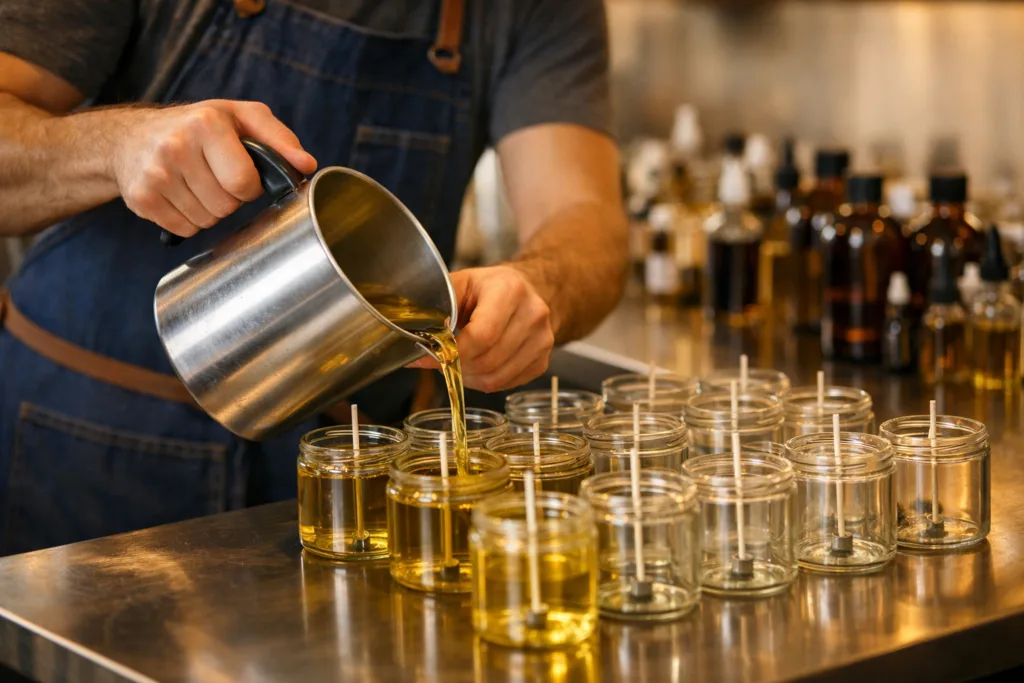
- Pre-pour prep: vessel cleaning, wick gluing
- Wax melting, fragrance blending (adhere to max load, flash point)
- Controlled pouring and surface topping
- Cooling on racks in dust-free room (minimum 24–48 hrs)
- Curing for optimal throw and stability
- Labeling and boxing for compliance and transport
Most OEM manufacturers package QC and basic compliance as part of startup orders, keeping costs in line for new candle brands.
Applications: What Candle Lines Are Feasible at a Small Budget?
With mindful budgeting, custom candle start-ups can target luxury gifting, minimalist home décor, wellness lines, and private-label spa candles. Stick to classic scents and containers—avoid ceramics and high-fragrance allergen blends until business scales. Circe Home and similar factories offer tailored support for fragrance development, IFRA compatibility, and clean production processes, enabling even budget brands to hit premium positioning without risk.
Eco Packaging, CLP Labeling, and Sustainable Moves
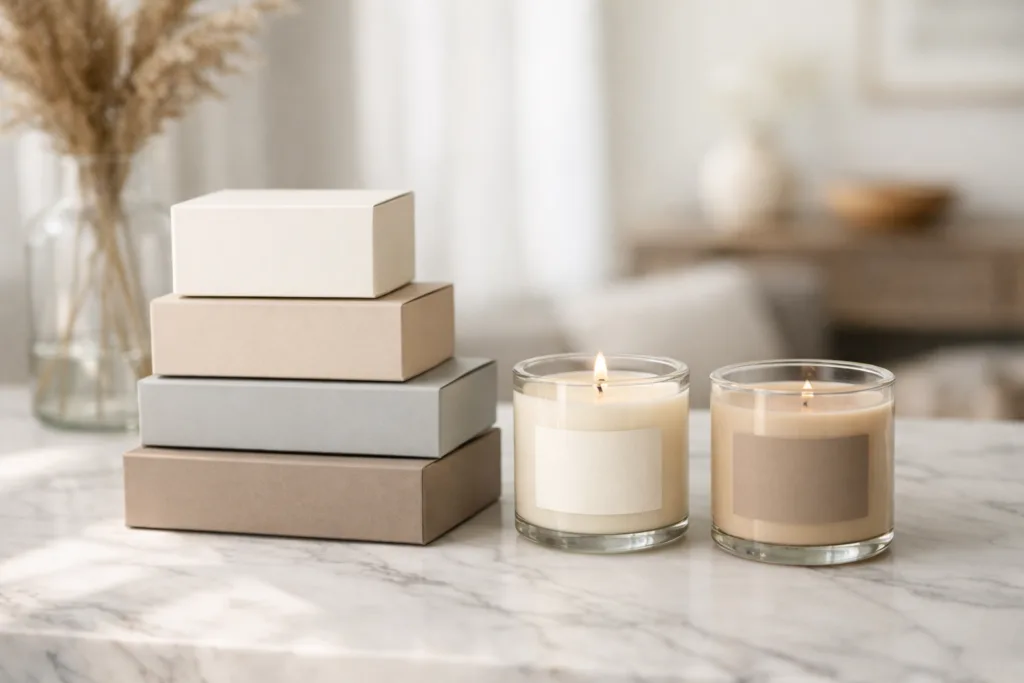
If sustainability matters to your brand, allocate budget for FSC cartons, soy ink, and compostable packaging at the outset. CLP labeling is mandatory for European retail, and the IFRA 51st Amendment is globally recognized for fragrance safety. Small MOQ brands can often source eco options by selecting standard-format boxes and working with scented candle partners versed in responsible production.
Frequently Asked Questions
How much is a realistic budget to start a custom candle business?
$2,000 to $3,500 is the typical baseline, covering minimum order quantity, basic fragrance and packaging development, and essential compliance testing.
What determines the MOQ for custom candles?
MOQ is set by the manufacturer based on vessel selection, wax type, and packaging—a higher MOQ lowers per-unit costs and increases customization options.
How can I avoid mistakes with a small start-up budget?
Stick to proven wax and fragrance combinations, select standard containers, validate supplier credentials, and insist on QC and compliance checks for every batch.
What is the best wax blend for budget custom candles?
Soy-coconut blends are cost-effective, offer clean burn and strong scent throw, and support easy compliance with safety regulations.
How do compliance regulations affect start-up costs?
Testing for IFRA compliance, proper CLP labeling, and allergen declarations must be budgeted—many OEMs include these services with initial orders.
Can I create eco-friendly candles with a low MOQ budget?
Yes—start with FSC carton boxes, soy ink, and classic wax blends. Many manufacturers offer compostable packaging options at MOQs as low as 200 units.