
How to Design a Candle Line That Sells (For New Brands)
Launching a successful candle line goes far beyond crafting beautiful scents. For new brands, the key lies in mastering candle line design, SKU and assortment strategy, fragrance curation, and a layered pricing model that matches brand aspiration and market needs. In this guide, you’ll learn the essential steps and advanced techniques to thoughtfully build a candle line with impressive series cohesion and clear sales momentum—equipping you to win both retailer placement and loyal customers.
The Importance of Series Cohesion in Candle Line Design
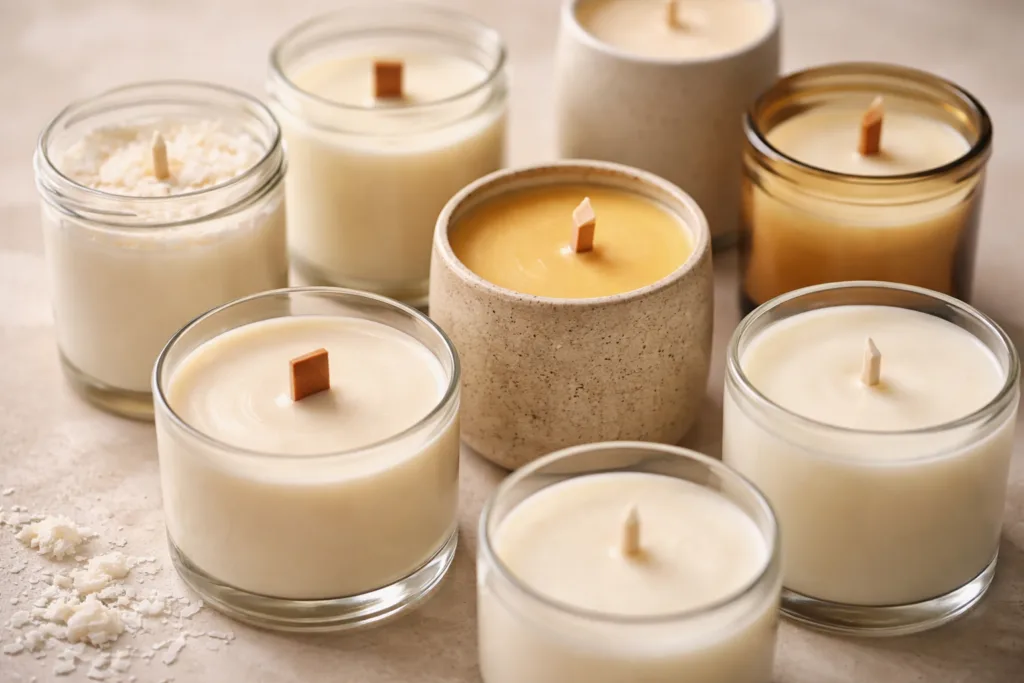
A strong candle line stands out through visual, olfactory, and emotional continuity. When customers encounter your display—whether in a boutique, spa, or online—they should instantly sense a harmonious brand story. This unity, often called “series concept design” , is achieved by blending consistent packaging elements, signature fragrance architecture, and a clear narrative arc across products.
Key Elements of Cohesive Candle Line Design
- Unified vessel shape, material, and colorways
- Consistent logo placement, typography, and label format
- Harmonized scent naming conventions
- Overarching story or inspiration connecting individual SKUs
“Circe Home Lab Insight: The most memorable luxury candle lines orchestrate every detail, from tactile vessel finishes to fragrance notes, as chapters in a sensory story.”
Product Assortment Planning: Building Your Candle Portfolio
Strategic product assortment ensures you address a wide but do-not-overwhelm segment of consumer scent preferences and use cases. An effective SKU strategy typically starts with 3–7 core candles, maximizing both breadth and focus for a novel brand.
Essential SKU Mix for New Candle Lines
| Wax Blend | Scent Throw | Burn Time | Best For |
|---|---|---|---|
| Soy/Coconut Blend | Medium-Strong | 35–45 hrs/200g | Eco luxury, clean burn |
| Beeswax | Subtle Honeyed | 50+ hrs/200g | Purer air, minimalist |
| Rapeseed/Coconut | Consistent, even | 40–50 hrs/200g | Wellness, spa |
| Premium Paraffin | Intense, rapid | 25–35 hrs/200g | High scent throw, gifting |
Optimizing SKU Architecture
- Define anchor scents (signature fragrances that “lead” your range)
- Balance floral, woody, fruity, and neutral/herbal profiles
- Offer at least two different size options where possible
- Assign each candle a clear target scenario—relaxation, energizing, minimalist décor
Fragrance Mapping for Series Cohesion
Thoughtful scent placement anchors your range identity and appeals to a spectrum of customers. When planning fragrance layout, begin by mapping the broad scent families—floral, woody, fruity, and neutral/green—across your core SKUs to ensure each personality type finds a match within your line.
Core Scent Families to Cover
- Floral: Jasmine, Rose, Tuberose for romantic and calming effects
- Woody: Sandalwood, Cedar, Oud for depth and longevity
- Fruity: Bergamot, Fig, Blackcurrant for vibrancy and freshness
- Neutral/Herbal: Sage, Green Tea, Musk for all-gender, contemporary appeal
Fragrance Layering and Compatibility
Balance essential and fragrance oils for both cold and hot throw. Some waxes (like soy) may struggle with higher fragrance loads, so cap fragrance input (typically 7–10%) and test compatibility, especially with botanicals.
Candle SKU Strategy: Avoiding Overlap, Maximizing Appeal
Each SKU should stand distinct, avoiding crowding the same fragrance space. Use a SKU matrix matching scent-family versus vessel-type or size-for-price tiering. For boutique launches, three scents per wax blend is often ideal; scale up only as demand data validates expansion.
Tips to Refine Candle SKU Lineup
- Map each new scent, style, or vessel to an identified market gap
- Test pairings of scent/vessel for private label pitches or collaboration lines
- Rotate limited editions or seasonal releases to maintain interest
SKU Example Matrix: Entry Luxury Candle Range
| SKU | Wax | Scent Family | Burn Profile | Size |
|---|---|---|---|---|
| SK-01 | Soy/Coconut | Floral | Clean, Medium | 200g |
| SK-02 | Beeswax | Woody | Subtle, Long | 250g |
| SK-03 | Rapeseed | Fruity | Even, Fresh | 120g |
Defining Your Candle Line’s Visual Language
Visual design directs brand perception and drives series recognition. Choose vessel types that align with your scent families: sleek, weighted glass for woody blends; translucent pastels for florals; matte ceramics for gender-neutral botanicals. Label and outer packaging should echo the scent’s story and tie the range together.
Container and Label Options
- Etched glass with foil stamped logo
- Tinted coatings or satin color blocks
- Minimalist ceramic with debossed lettering
- Premium FSC cartons, soy ink, subtle scent cues
Formulation and Manufacturing: From Vision to Reality
Great candle lines rely on technical mastery at every step. Choose your wax blend for burn performance and scent retention. For high fragrance load, coconut wax or soy-coconut blends perform best, but always test for essential oil compatibility and flash point safety.
Production Process Overview
- Pre-weigh and melt waxes at controlled temperatures (avoid overheating, follow melt point guidance)
- Integrate fragrance oils at precise mix temps for best cold/hot throw
- Wick centering: use cotton or wood wicks sized for vessel diameter to reduce soot, ensure steady burn
- Hand pour, tap to remove air, cool gradually
- Cure 3–7 days (soy) or up to 2 weeks (blends) before quality testing
Circe Home Expertise
Partners like Circe Home guide clients on custom blend selection, private-label fragrance development, compliance certifications, and finished packaging options—helping consolidate your technical vision into a premium market-ready product.

Pricing Tiers and Value Perception:
Candle pricing must reflect both quality and market positioning. Layering your price points allows broader market reach and encourages multi-candle purchases. Build a structure with an accessible entry, mid-range hero, and prestige-tier candle—varying by vessel, fragrance complexity, or batch exclusivity.
Establishing a Multi-Tier Pricing Strategy
- Entry level: Single-note soy, glass tin, simple box; $18–$25
- Core collection: Soy/coconut blend, premium vessel, multi-layered scent; $35–$45
- Limited/Prestige: Artisanal wax, unique decor vessels, complex accord; $55–$80+
Justify each tier via burn time, wax purity, fragrance sophistication, designer packaging, and gifting experience. Clear differentiation supports perceived value and aids retail or DTC sales conversion.
Quality Control, Safety & Compliance
Rigorous quality and regulatory processes protect your brand and instill buyer confidence. Essential checks include:
- Consistent burn profile and time verification (>35 hours for 200g recommended)
- Wick straightness and centering within 2mm tolerance
- Soot index testing; only soot-free rating candles move forward
- Fragrance dispersal uniformity over burn life
- Compliance with IFRA, CLP, allergen labeling (EU/UK markets especially)
- Safety warning labels on vessel and box
How to Design a Candle Line That Sells (For New Brands)
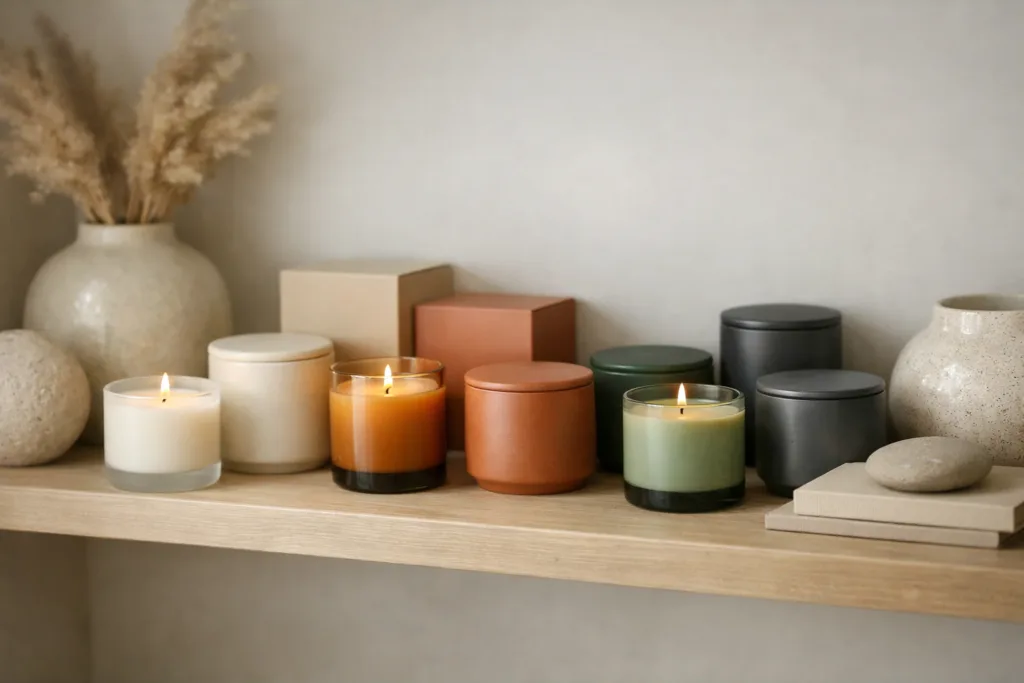
Success is found at the intersection of creativity and disciplined execution. Structure your candle line around a clear story, strong series design, and a product assortment that resonates emotionally while meeting real market gaps. Relentless attention to scent mapping, technical detail, and pricing architecture ensures your brand stands out. Whether launching your first range or evolving an existing portfolio, invest in design, fragrance authenticity, and production rigor for a line that captivates—and sells.
Frequently Asked Questions
What is the ideal number of SKUs for a new candle line?
For most new brands, 3 to 7 well-curated SKUs allow balanced assortment, operational focus, and clear visual story. Start small, iterate based on sales data and customer feedback before expanding.
How do I choose fragrance types for my initial assortment?
Cover major scent families—floral, woody, fruity, and a neutral or herbal—to appeal to diverse customers. Assess market gaps and layer in signature blends or seasonal releases to add depth.
What factors affect candle pricing tiers?
Pricing tiers depend on wax type, vessel and packaging quality, fragrance complexity, burn time, and production exclusivity. Transparently communicate the value behind each tier for the best results.
What are common pitfalls in candle line design?
Avoid overcrowded assortments, duplication in scent profiles, muddled series design, and inconsistent quality assurance. Keep customer need and line cohesion central to your process.
How can I ensure fragrance compliance in international markets?
Work with partners like Circe Home to meet IFRA, CLP, and allergen declaration requirements. Each market may have distinct labeling and certification standards—build these into your development timeline.
What are current trends in luxury candle packaging?
Current luxury trends include minimalist embossed ceramics, FSC-certified or compostable cartons, subtle metallic details, uncoated tactile papers, and refill programs for sustainability.