
The Complete Guide to Custom Candle Safety & Compliance
Designing custom candles for global markets requires a meticulous approach to safety, compliance, and regulatory labeling. Brands must navigate the nuanced world of EU CLP (Classification, Labelling and Packaging), US safety standards, IFRA fragrance guidelines, and CPSR (Cosmetic Product Safety Report) requirements. From container design and wax performance to warning label customization, mastering compliance is as essential as crafting exquisite scent experiences. Whether you’re an emerging luxury home décor brand or an established private-label manufacturer, knowing how to combine candle artistry with robust safety protocols protects your customers and your business.
Why Candle Safety & Compliance Matter
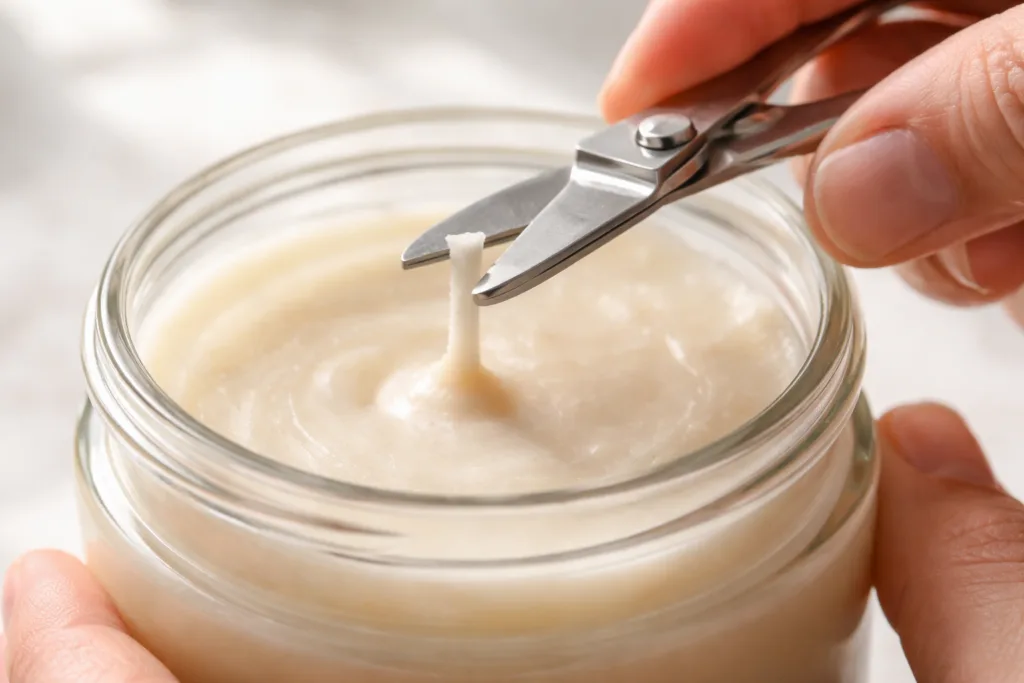
Custom candles blend chemistry, artistry, and regulatory science. A premium blend such as Circe Home’s refined soy-coconut wax delivers a clean burn and powerful scent throw, but compliance risks arise at every step—from wax sourcing to finished product labeling. Inadequate safety practices can lead to legal challenges, import rejections, and damaged reputation. Ensuring your candles meet CLP, IFRA, and CPSR standards not only keeps customers safe—it builds lasting trust and opens doors to international markets.
CLP & IFRA: Core Candle Safety Regulations
European and US regulations impose distinct requirements on fragrance systems and labeling. The CLP Regulation sets rigorous standards for hazard communication, especially for candles containing fragrance oils. Meanwhile, IFRA’s guidelines on fragrance safety determine permissible scent load, allergen disclosure, and compatibility with waxes. CPSR adds another layer for cosmetic-style candles. Understanding these frameworks is foundational for compliant product development.
- CLP (EU): Requires hazard pictograms, signal words, and allergen declarations for candles with certain fragrance loads.
- IFRA: Mandates safe fragrance concentrations and provides certificates for blends and essential oils.
- CPSR: Ensures consumer safety for candles with skincare or body contact applications.
Which Candles Need CLP?
All scented candles entering EU markets with fragrance or essential oil content above 0.1% must comply with CLP labeling—covering everything from container candles to luxury blends.
Fragrance Load & IFRA Certificate
Fragrance compatibility varies by wax type. Coconut or soy blends can support higher fragrance loads (up to 10–12%) compared to beeswax (typically 6–8%), but exceeding IFRA recommendations risks both performance and legal compliance. Always request IFRA certificates from your fragrance supplier, specifying max safe load for candles.
Safety Label & Warning Styles for Custom Candles
Effective labels are both compliant and visually aligned with your brand. Custom warning labels include mandatory safety icons, burn instructions, and—crucially—CLP hazard data for EU markets. Circe Home builds compliant templates that integrate branding with regulatory info, using high-contrast fonts, waterproof coatings, and optional foil finishes for elevated aesthetics.
- Burning instructions (e.g., trim wick to 5mm before lighting)
- General safety icons (never leave candle unattended)
- CLP hazard pictograms (flammable, hazard warnings for allergens)
- Signal word (e.g., “Warning” or “Danger”)
- Supplier/manufacturer contact info
Custom Design Tips
Consider premium substrates like linen-textured paper, transparent vinyl, or foil-emboss for container labels. Use tested adhesives to prevent peeling on glass, ceramic, or tin vessels. Color contrast is critical for CLP hazard icons.
Circe Home Lab Insight: “For optimal compliance and luxury branding, pair waterproof warning labels with a foil-stamped outer carton that features both CLP and IFRA data in clear, readable format.”
Candle Safety Testing: Burn Profile & Soot Index
The burn profile and soot index are central to compliance certification. A premium candle (e.g., 200g, >35 hours burn time) should demonstrate soot-free performance, stable fragrance dispersion, and safe wick function. Manufacturers typically run batch testing—including:
- Wick centering accuracy (+/- 2mm)
- Soot index measurement (visual and ISO standards)
- Fragrance throw consistency (cold and hot)
- Burn time verification
- Container heat tolerance
- Post-burn residue inspection
Quality Testing Protocol
For full compliance, maintain production records of burn tests, fragrance load calculations, and CLP/IFRA certificates. These may be required by customs on import/export.
Table: Wax Blend vs. Scent Throw vs. Burn Time
| Wax Blend | Max Fragrance Load (%) | Typical Burn Time (200g) | Scent Throw (Cold/Hot) | CLP/IFRA Compatibility |
|---|---|---|---|---|
| Soy-Coconut | 10–12 | 35–40 hrs | Strong/Very Strong | Excellent |
| Rapeseed | 8–10 | 30–36 hrs | Moderate/Strong | Good |
| Beeswax | 6–8 | 36–42 hrs | Subtle/Moderate | Very Good |
| Paraffin | 8–12 | 32–38 hrs | Strong/Very Strong | Very Good |
Container Choices & Labeling Compliance
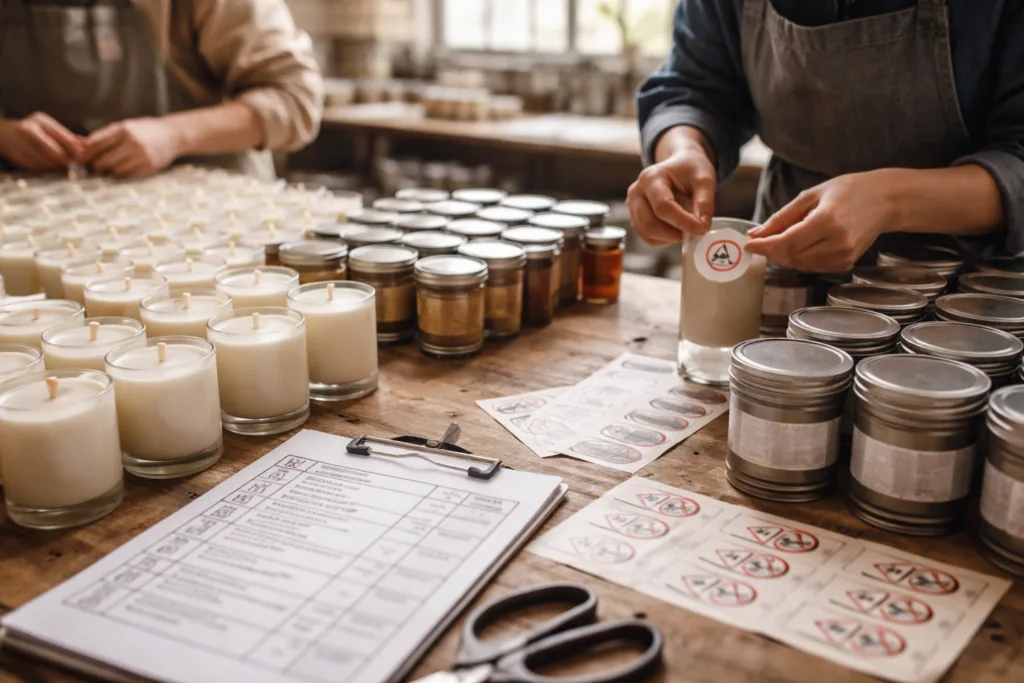
Container design affects compliance, aesthetics, and burn safety. The vessel must withstand heat and prevent leakage or cracking. Glass jars, tins, ceramics, and concrete vessels require tailored CLP label placement, often on the base and outer packaging. For import/export, ensure materials have passed longevity and heat tolerance tests. Color, coating, and embossing should not obscure legally-mandated warning info.
Label Formats
Popular formats include wrap-around base labels for candles sold in tins, rectangular side labels for glass jars, and swing tags with CLP info for gift sets.
Export & Import: Navigating Compliance
Shipping custom candles internationally requires precise documentation and safety protocol. EU-bound candles must include a full CLP declaration (with UFI codes for hazardous blends), while US imports demand clear warning labels and materials safety data. Each batch should be matched to IFRA-certified fragrances and container test records. Prepare the following:
- CLP label with pictograms and allergen listings
- IFRA certificate for every fragrance blend used
- CPSR document if candles are intended for body contact
- Product Safety Data Sheet (SDS)
- Batch and shelf-life records
- Eco-packaging and sustainability declarations (for green channels)
Work with expert manufacturers, such as Circe Home, who offer compliance consulting and can support documentation for customs clearance.
Best Practices for CLP, IFRA & CPSR Compliance
Integrating safety and compliance from the start streamlines your launch and avoids headaches. Follow these steps:
- Choose wax blends proven for your fragrance—refer to IFRA limits
- Request full allergen disclosure from fragrance suppliers
- Customize warning labels to include CLP icons, signal words, and supplier details
- Conduct batch burn tests and record soot index
- Obtain CPSR if candles contact skin
- Maintain batch records for every blend and container run
- Use eco-packaging meeting EU/US standards
Adopt a proactive approach for market expansion—integrate country-specific warnings and safety sheets ahead of new launches.
The Complete Guide to Custom Candle Safety & Compliance
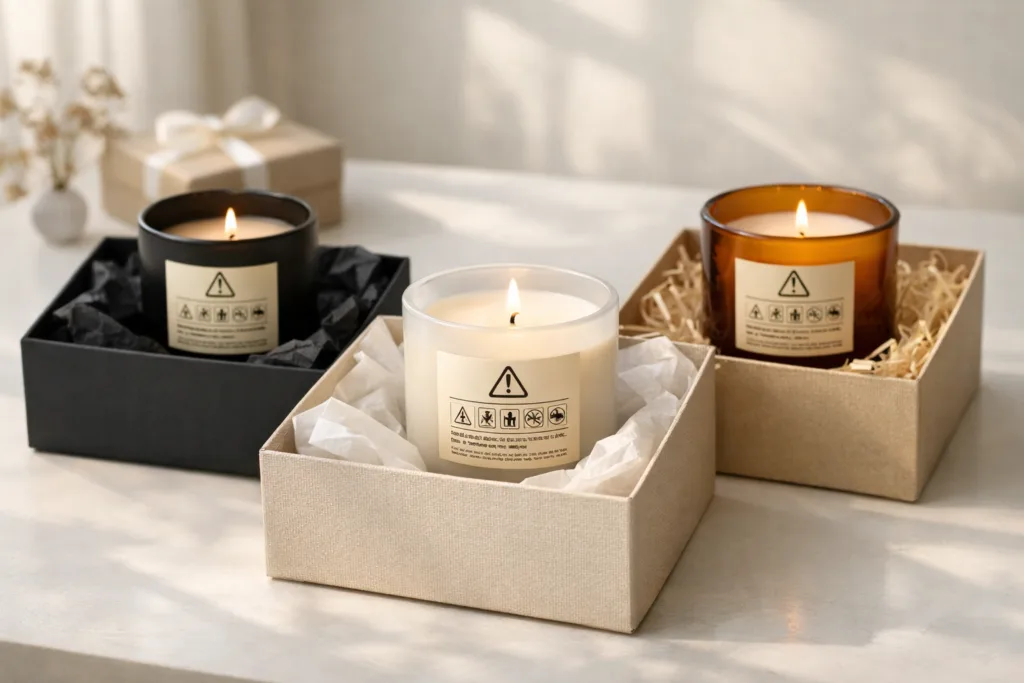
Custom candle safety and compliance aren’t just regulatory hurdles—they’re the pillars of high-performance product design and global business growth. By merging technical mastery with elegant branding and rigorous documentation, luxury manufacturers create prized candles that not only perform beautifully but meet the strictest safety criteria worldwide. Circe Home sets an industry standard through clean-burning waxes, custom fragrance engineering, and compliance support spanning CLP, IFRA, and CPSR frameworks. Whether launching minimalist wellness lines or ornate gifting sets, aligning every part of your supply chain to these benchmarks empowers your brand and inspires customer confidence.
Frequently Asked Questions
What information must appear on a CLP-compliant candle label?
CLP-compliant candle labels must display hazard pictograms, signal words, supplier contact details, relevant allergen declarations, and instructions for safe use and disposal. For scented candles above 0.1% fragrance load, full hazard communication is mandatory.
How do IFRA guidelines affect fragrance selection for custom candles?
IFRA guidelines set safe usage limits for fragrances and essential oils in candles, specifying max permissible concentrations and identifying restricted substances. Each fragrance blend should be supported by an IFRA certificate outlining safe levels for candle applications.
What are CPSR requirements for candles?
Candles intended for skin contact or body applications must be supported by a Cosmetic Product Safety Report (CPSR) that assesses ingredients, intended use, and safety, ensuring products are non-irritant and meet consumer protection standards.
Which wax blends offer the best clean burn and compliance profile?
Soy-coconut and rapeseed blends are popular for their clean burn, high fragrance retention, and stable performance under CLP and IFRA rules. Beeswax is valued for natural purity but usually supports lower fragrance loads. Paraffin, though strong-scented, faces more regulatory scrutiny for indoor air quality.
How can brands customize warning labels while staying compliant?
Brands can select premium label materials and layout styles, as long as mandatory CLP hazard icons, instructions, and supplier info remain clear and legible. Embossing, foiling, and brand color schemes are permitted if base icons and text maintain contrast.
What documentation is needed for international candle shipments?
International shipments require CLP labels with pictograms (EU), IFRA certificates for fragrances, CPSR for body-contact candles, Safety Data Sheets, batch records, and eco-packaging statements. Proper paperwork ensures customs clearance and regulatory acceptance.