
Understanding Candle Hot Throw: The Foundation of Fragrance Performance
Few elements define a luxury candle experience more than the strength and character of its hot throw—the aromatic impact released as your custom candle burns. While cold throw invites curiosity on a shelf, it’s the hot throw that envelops spaces, sets moods, and earns the trust of discerning clientele. In the art of custom candle manufacture, every detail—wax blend, fragrance ratio, wick system, and curing process—plays a pivotal role. For brands seeking exceptional fragrance performance, masterful control over hot throw is the ultimate differentiator.
What Affects the Hot Throw of Your Custom Candle?
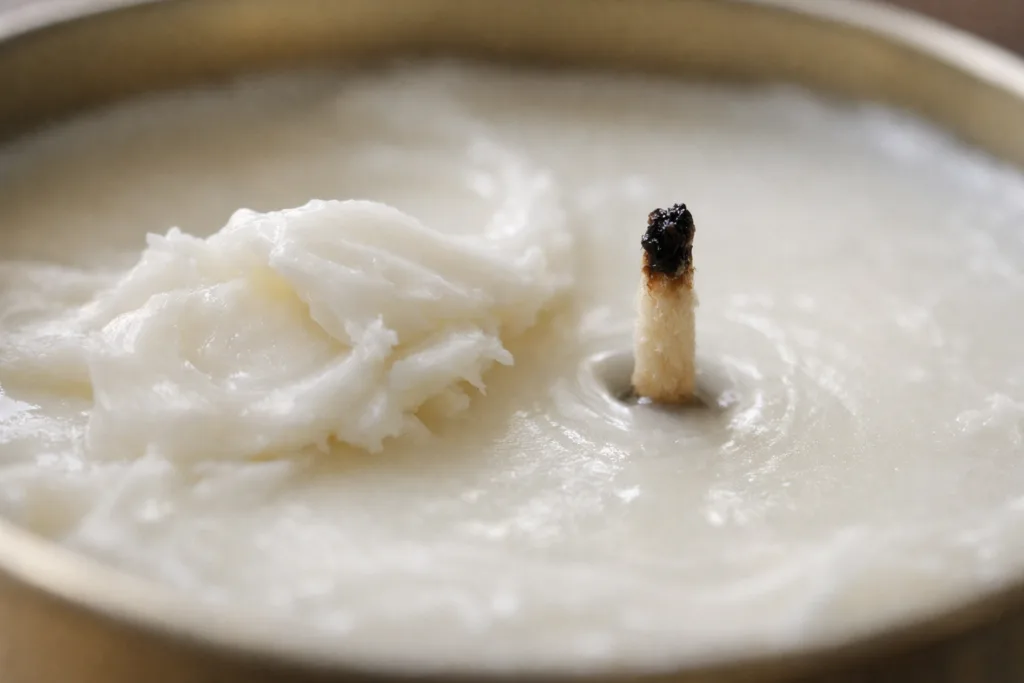
Hot throw—the intensity of scent released when a candle is lit—is a complex interplay between science and craftsmanship. Multiple variables directly shape hot throw, making it vital to understand each lever when formulating or sourcing custom candle lines. Top factors include wax selection, fragrance load percentage, type and quality of fragrance oil, wick specification, curing protocol, and even the vessel’s dimensions and material. Brands like Circe Home, renowned for their refined scent experiences and clean-burning formulas, integrate rigorous testing across these parameters to deliver consistent, high-impact hot throw in every production run.
Hot Throw vs. Cold Throw: What Sets Them Apart?
Cold throw refers to the fragrance a candle emits when unlit, crucial for first impressions at point-of-sale or in curated home displays. Hot throw, by contrast, is the pronounced scent distribution as the wax pool forms and volatile aromatic compounds are diffused by the flame’s heat. For custom candle buyers, balancing both is a hallmark of premium formulation—yet the two rely on different chemical dynamics. Cold throw is shaped by surface oil volatility, while hot throw depends on how those oils interact with molten wax, wick combustion, and airflow dynamics within the vessel.
The Impact of Wax Types on Candle Hot Throw
Wax selection is the cornerstone of exceptional hot throw. Each wax—soy, coconut, rapeseed, beeswax, paraffin, and their blends—offers unique melt, scent retention, and diffusion properties. For custom luxury candles, manufacturers often develop proprietary blends, leveraging the clean burn of soy, the creamy texture of coconut, or the high fragrance load tolerance of paraffin. The table below contrasts common waxes relevant to hot throw and burn profile in custom candles, drawing from industry production protocols:
| Wax Type | Max Fragrance Load (%) | Hot Throw (General) | Typical Burn Time/200g | Clean Burn Score |
|---|---|---|---|---|
| Soy | 7–10 | Medium–Strong | ~40 hrs | High |
| Coconut | 9–12 | Strong | ~38 hrs | High |
| Beeswax | 5–8 | Subtle | ~42 hrs | Very High |
| Paraffin | 10–12 | Very Strong | ~36 hrs | Medium |
| Blended (Custom) | 10–12 | Customizable | Varies | High |
Key Wax Properties Affecting Hot Throw
- Melt Point: Lower melt points (found in some soy/coconut blends) release fragrance molecules earlier, enhancing hot throw.
- Scent Retention: Waxes that tightly bind fragrance oils slow sudden release and extend aromatic consistency.
- Viscosity: Softer waxes allow more even scent diffusion as the melt pool forms.
“Circe Home Lab Insight: Our custom blends synergize soy’s soot-free quality with coconut’s scent magnifying ability, ensuring both purity and potency in hot throw.”
Fragrance Load and Its Role in Scent Dispersion
The fragrance load—the ratio of fragrance oil to wax—profoundly shapes hot throw but is a careful science. Overloading wax can cause sweating, instability, or even safety risks, while underloading limits scent impact. The optimal range depends on wax type, oil compatibility, and vessel size. For luxury custom applications, a 7–12% fragrance load is typical, with precise dosages tested for each blend. Circe Home’s fragrance engineering team validates every formulation for maximum dispersion, longevity, and IFRA compliance.
Typical Steps to Optimize Fragrance Load
- Benchmark the max recommended percentage for the wax base
- Test incrementally: 6%, 8%, 10%, 12%
- Evaluate against burn test results for both hot and cold throw
- Validate safety margins for flash point and stability
Fragrance Type, Quality, and Compatibility
The character of your hot throw is equally defined by the quality and molecular structure of the fragrance system. Candles use either fragrance oils (synthetic, complex) or essential oils (natural, volatile), each with distinct binding and evaporation behaviors. Certain waxes handle high loads of complex aroma compounds better, while others may suffer from frosting or separation. For robust hot throw and allergen safety, manufacturers verify all fragrances for blend compatibility, flash point stability, and compliance with IFRA’s latest amendment.
Key Fragrance Considerations
- Use of stabilizers and fixatives for sustained release
- CLP labeling (EU) for hazard declarations
- Allergen testing per ingredient origin and blend
- Custom scent development for unique brand signatures
Wick Selection and Its Influence on Hot Throw
The wick acts as the engine of hot throw—regulating how the molten pool forms, how evenly fragrance is vaporized, and whether the burn is clean or sooty. Modern candles deploy advanced cotton, paper-core, or wood wicks, each supporting distinct vessel shapes and wax blends. An undersized wick will yield a weak or tunneling melt pool, while an oversized wick risks excessive scent burn-off and soot. Manufacturing best practice mandates detailed wick testing for each scent and blend, to match vessel diameter and wax viscosity, ensuring optimal fragrance performance across production lots.
Vessel Design: How Containers Impact Scent Dispersion
The vessel’s size, shape, and material all modulate hot throw. Narrower jars focus scent upward, while wide-mouth vessels enable broader aroma dispersion. Material matters, too—thick glass or ceramics retain heat and stabilize the melt pool, while thin tins or metals may lose heat rapidly, altering release rates. Custom-produced lines for retail, hotel, or spa application must consider both functional and aesthetic factors, from colored glass and foil caps to label options and secondary packaging.
Container Optimization Checklist
- Heat retention analysis
- Fit with wick and wax system
- Compliance with labeling requirements (e.g., ingredients, safety icons)
- Opportunity for branding integration (outer box, foil overlay, embossing)
The Role of Curing and Production Protocols
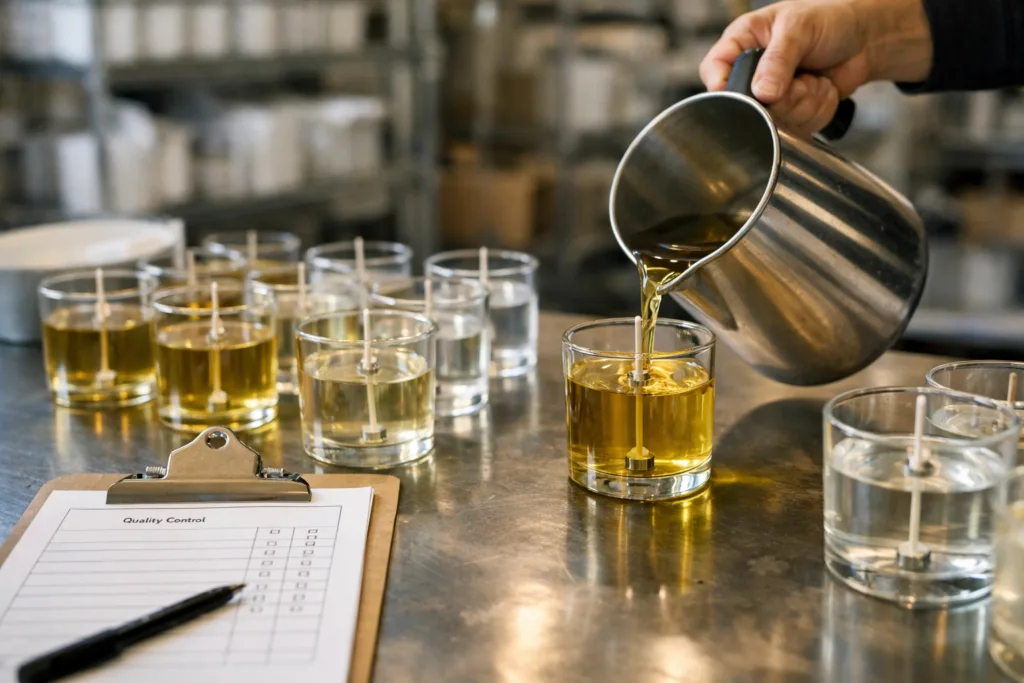
Curing—letting candles rest after pouring—is vital for achieving optimal hot throw. As candles cure, fragrance molecules bind with the wax, stabilizing both scent release and burn performance. Minimum curing time varies by wax type: soy-coconut blends often require 10–14 days, while paraffin systems may be ready earlier. Meticulous production control, including temperature management and humidity checks, prevents scent fade and ensures every batch aligns with the signature fragrance profile intended in custom lines. Circe Home’s protocol includes multi-stage burn testing, batch-level traceability, and random QC checks to maintain performance consistency.
Quality Testing: How to Guarantee Reliable Hot Throw
Only through real-world testing can manufacturers guarantee the hot throw meets luxury standards. Protocols typically include:
- Multiple burn intervals (initial, 4-hour, 8-hour tests)
- Assessment in sealed and ventilated spaces to mimic home or retail conditions
- Objective rating of scent reach, strength, and clarity
- Soot index and smoke emission measurements
Results feed back into formulation adjustments, whether for fragrance load, wick sizing, or vessel type, in a continuous improvement cycle. Strict adherence to IFRA and CLP regulations ensures safety and international compliance, further establishing trust for private-label clients or direct-to-consumer projects.
Designing for Use Case: Maximizing Hot Throw in Application
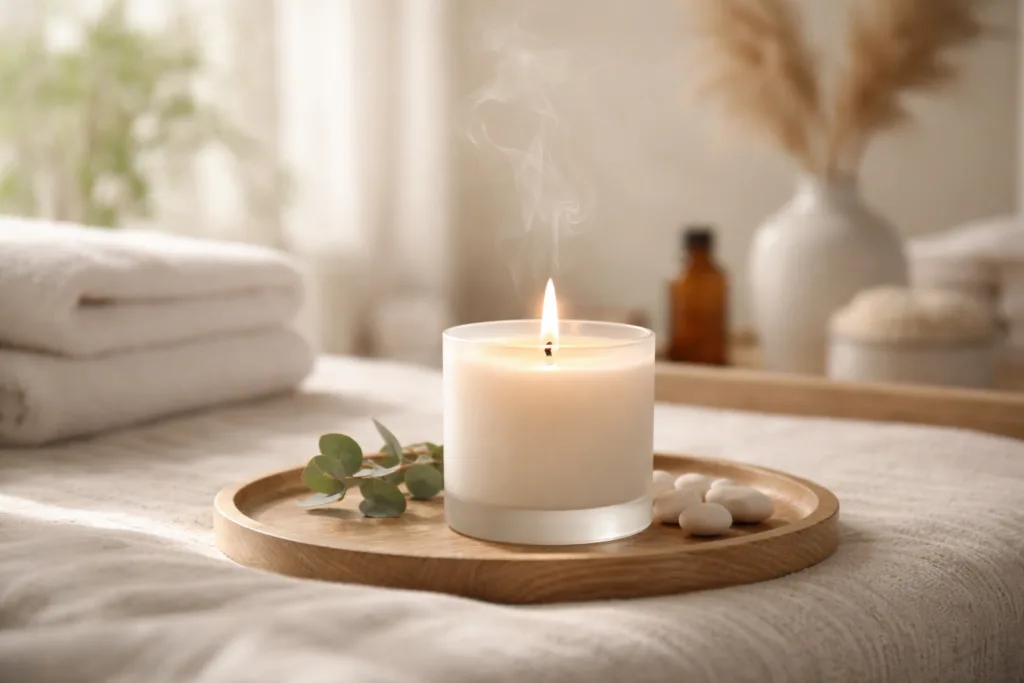
Intent drives many candle performance trade-offs. For ambiance-driven lines, subtle scent progression may be ideal, while spa or hotel amenities require an immediate aromatic impact. Luxury gifting ranges often call for bespoke surfacing, eco-friendly packaging, and extended burn times—requiring flexible wax systems and advanced fragrance engineering. Integrating solutions such as FSC-certified cartons, soy inks, and refillable vessel programs aligns with both premium performance and sustainability commitments.
Frequently Asked Questions
What is hot throw in candle making?
Hot throw is the intensity and reach of scent emitted by a burning candle. It directly affects how well fragrance fills a space during use, forming a key performance metric for custom and luxury candles.
How does wax type influence hot throw?
Different waxes—soy, coconut, beeswax, paraffin—bind and release fragrance in unique ways. Some, like coconut or custom blends, enhance scent projection, while others may yield subtler aroma profiles suited for specific applications.
Can I increase fragrance load for a stronger hot throw?
You can adjust fragrance load within safe limits guided by wax type and test burn results. Exceeding recommended percentages risks instability, scent distortion, or poor burning. Professional benchmarking ensures optimal performance.
Why is curing time important for hot throw?
Curing allows fragrance molecules to bond with the wax matrix, stabilizing release during use. Inadequate curing can lead to weak, inconsistent hot throw—while a controlled rest period ensures every batch reaches full aromatic intensity.
How do vessel materials affect fragrance performance?
Container material impacts heat retention, influencing melt pool formation and scent release. Glass and ceramics offer stable burns and strong hot throw, while metals may cool rapidly, altering fragrance dynamics.
What testing is done to guarantee hot throw quality?
Manufacturers conduct controlled burn trials, scent dispersion analysis, soot measurements, and compliance assessments. These ensure every custom candle meets strict fragrance and safety standards across batches.