
Holiday Candle Customization Guide for Retailers
Elevating holiday retail with customized candles unlocks a world of festive possibilities—and serious commercial value. Leveraging holiday candle wholesale supply, custom Christmas candle design, and seasonal candle OEM partnerships, retailers can own the shelf moment with on-trend scents and dazzling packaging. Whether creating exclusive blends for Christmas, Lunar New Year, or Valentine’s Day, each detail—wax, fragrance, vessel, and finish—plays a critical role in consumer perception, burn quality, and regulatory compliance. Let’s dive deep into actionable strategies for successful holiday launches, including 2024’s most popular fragrance directions, the red and gold packaging movement, and why early production timelines are vital for flawless execution.
Market-Ready Holiday Candle Trends
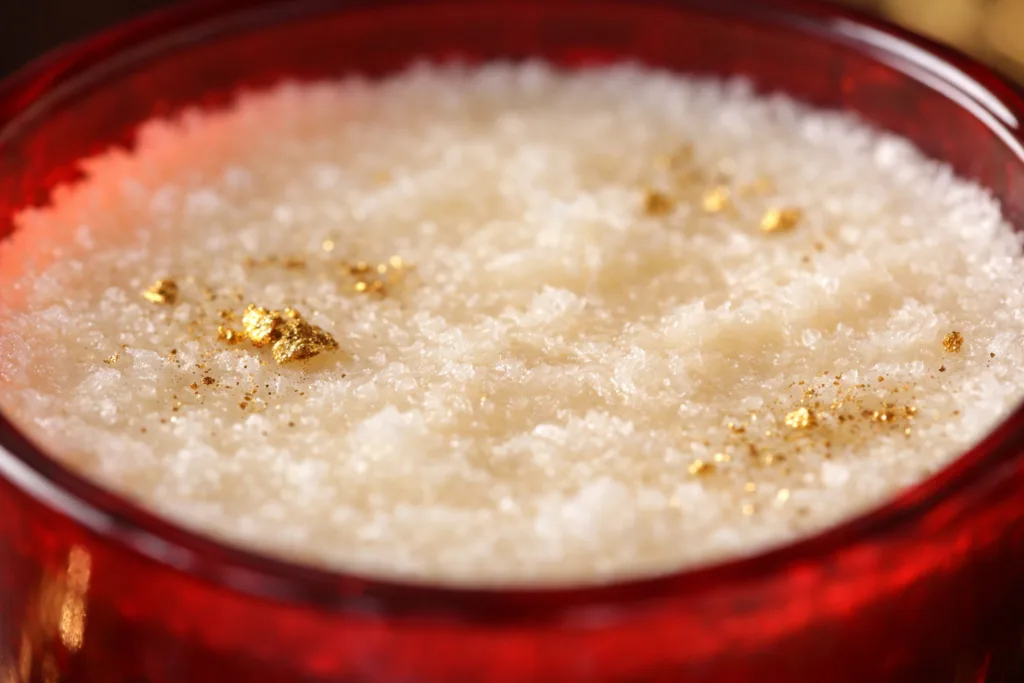
The holiday candle landscape evolves each year as retail buyers and consumers seek new sensory experiences. In 2024, demand for high-fragrance holiday candles and refined designs is surging across international markets. Retailers who anticipate these shifts can command premium price points and encourage repeat purchasing.
Top Holiday Candle Segments
- Christmas: Pine, fir, cinnamon, clove, warm vanilla, and mulled wine
- Lunar New Year: Red date, osmanthus, incense, mandarin, sandalwood
- Valentine’s Day: Rose, peony, creamy coconut, woods, and gourmand blends
- Thanksgiving/Autumn: Pumpkin spice, caramel, sandalwood, tobacco leaf
- Winter Wellness: Eucalyptus, peppermint, cedar, citrus, herbal clarity blends
Seasonal candle OEMs such as Circe Home work with retailers to tailor both scent and packaging for each festive window, balancing crowd-pleasing ingredients with advanced compliance and sustainability expectations.
2024’s Most Popular Holiday Fragrance Directions
- Nordic Woods: Fir balsam, pine needles, crushed juniper, smoked birch
- Spiced Citrus: Blood orange, ginger, cinnamon bark, star anise
- Gourmet Warmth: Roasted chestnut, brown sugar, vanilla pod
- Floral Musk Fusion: White rose, cashmere, cardamom, ambergris
- Modern Osmanthus: Osmanthus tea, mandarin peel, lotus leaf
“Circe Home Lab Insight: We see retailers driving demand for nostalgic blends, elevated by layered aromatics like juniper, pink peppercorn, and salted caramel for a new holiday twist.”
Red and Gold Packaging: The New Standard
Color and finish have become as essential as fragrance in the holiday candle market. In 2024, red and gold dominate luxury seasonal collections—signaling fortune, festivity, and premium status, especially in Asian and Western markets. The pairing is both symbolically rich and visually magnetic, perfect for gift-giving and high-impact merchandising.
Trending Container Styles
- Matte scarlet glass jars with gold foil-stamped logos
- Glossy red tins trimmed in metallic gold
- Ceramic vessels glazed in pearl crimson or antique gold
- Boxes with gold embossing, magnetic lids, and velvet trays
Labeling and Finishing Touches
- Elegant serif fonts, metallic debossing, and clear scent family descriptions
- FSC-certified sleeves and boxes, soy ink, and compostable shrink wrap
- Foil caps or wax-sealed adornments for limited editions
Why Early Production Scheduling Maximizes Success
For retailers ordering holiday candle wholesale or commissioning seasonal candle OEM, timing is a decisive differentiator. Lead times for ingredient procurement, fragrance development, vessel sourcing, and regulatory testing are lengthier during peak holiday scheduling. Early engagement ensures access to premium materials, gives breathing room for scent iteration, and avoids last-minute QC or logistics failures.
Optimal Production Timeline
- 12–16 weeks before target launch: Confirm scent briefs, packaging needs, and volume forecasts with manufacturer
- 8–12 weeks: Finalize custom fragrance oil testing (cold and hot throw), choose vessels and outer packaging
- 6–8 weeks: Production, QC (burn time, soot, fragrance dispersion), packaging assembly
- 2–4 weeks: Curing, labeling, and logistics to regional warehouses/retail hubs
Last-minute changes can compromise scent quality, wax blend performance, or packaging fit, impacting both consumer experience and sell-through.
Choosing the Right Wax Blend for Holiday Candles
Wax selection drives the burn profile, scent throw, and aesthetic appeal of every holiday candle. Circe Home specializes in premium waxes—soy, coconut, rapeseed, beeswax—and custom blends for distinct holiday applications. Each base has unique features to consider for wholesale and custom projects.
| Wax Blend | Scent Throw | Burn Time | Appearance | Sustainability |
|---|---|---|---|---|
| Soy | Medium–Strong | Long (>35h/200g) | Creamy, smooth, some frosting | Renewable, clean burn |
| Coconut | Strong | Medium | Glossy, soft, excellent jar adhesion | Renewable, low soot |
| Rapeseed | Moderate | Long | Pale, very clean | European, eco-preferred |
| Beeswax | Mild (pairs well with essential oils) | Longest | Natural hue, beautiful glow | Artisanal, bio-derived |
Technical Considerations for Holiday Blends
- Max fragrance load: 8–12% oil (varies by wax type)
- Curing time: 5–14 days for optimal scent retention
- Melting point: 42–65°C (impacts shipping, performance)
- Flash point: Ensure safe blending/transport (typically >65°C)
- Frosting and glass adhesion for soy-based or colored blends
Custom Holiday Fragrance Development
The signature of any Christmas candle custom collection is its scent. Retailers are now investing in proprietary holiday blends with layered complexity, seasonal nostalgia, and precise regulatory disclosure. Developing fragrances for holiday candle wholesale requires attention to oil compatibility, curing, and IFRA allergen declarations.
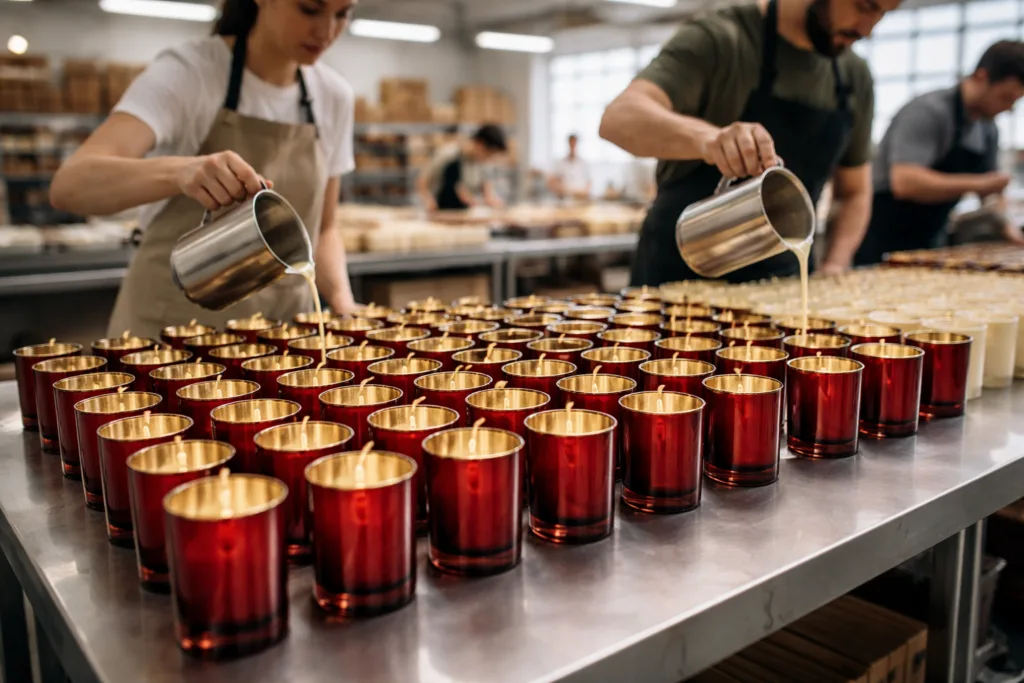
Fragrance Design Workflow
- Gather market inspirations and target mood board (e.g., cozy winter fireside, golden orchard, midnight mass)
- Engineer scent with blending house—balancing cold throw (unlit appeal) and hot throw (performance when burning)
- Test across chosen waxes—soy, coconut, blends—to maximize clarity, longevity, and room-filling strength
- Document IFRA compliance, CLP labeling, and key allergens for all regional markets
Essential Oil vs. Fragrance Oil Considerations
- Essential Oils: Clean, pure, at natural flash points, but lower throw and greater cost
- Fragrance Oils: Scent complexity, high throw, but require precise allergen declaration and combination trials for clean burn
Wick Selection and Burn Profile Optimization
For peak performance, the wick must be matched to the custom blend, vessel, and fragrance system. Choosing wicks for seasonal candle OEM production requires experience with cotton, wood, and paper-core types, as well as a laser focus on flame stability and soot prevention.
Best Practices
- Cotton: Soot-free, classic feel, good for soy and blended waxes
- Wooden: Crackling sound, wider flame, suited for rustic gift collections
- Paper-Core: Stable, strong capillary action, best for heavily-scented, viscous blends
Testing Parameters
- Trim length (4–6 mm) for optimal flame and safety
- Watch for mushrooming; signals overload or wick mismatch
- Centering and adhesion QC; ensure no glass exposure
- Burn test for >35 hours (200g), checking for tunnel or edge wax residue
Holiday Candle Compliance and Eco-Packaging
Regulatory compliance remains critical with holiday candle wholesale, especially for mass or cross-border retail. All fragrances must be IFRA 51st Amendment compliant, and CLP labeling is essential for EU-bound goods. For eco-conscious buyers, luxury seasonal candle OEM partners are now offering FSC-certified packaging, soy inks, and compostable options.
Key Compliance Checklist
- IFRA certificate for all oils used
- CLP/Allergen declarations with pictograms and phrase codes per region
- Detailed burn, sooting, and wick safety labels (multi-language as needed)
- FSC or PEFC certification for packaging
- Offer of refill or home compostable format for select SKUs
Quality Control, Burn Testing, and Product Success
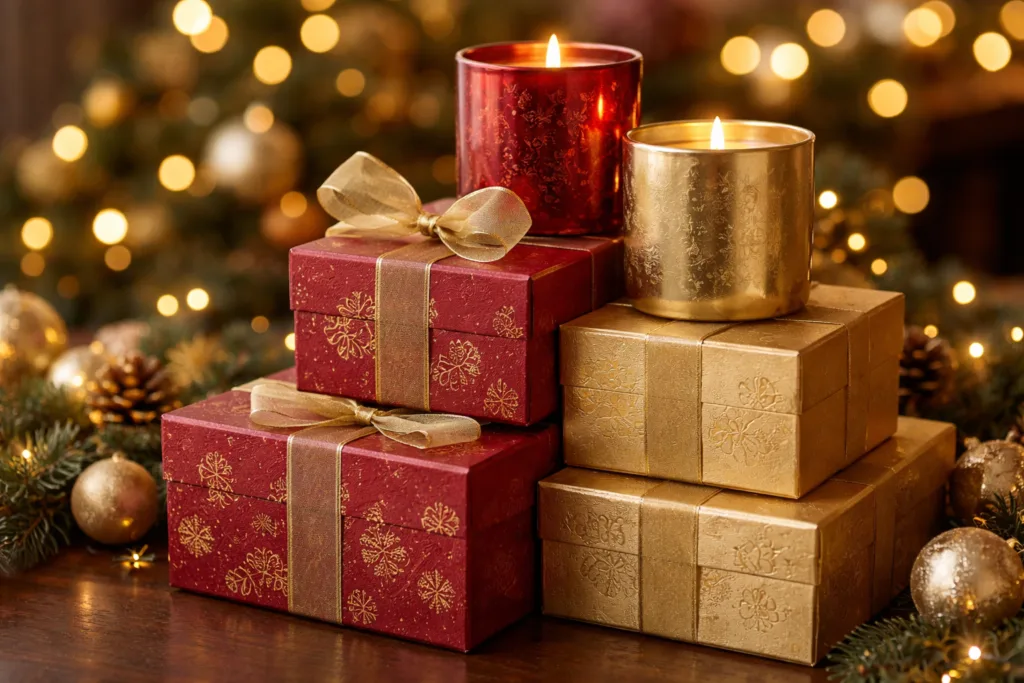
Delivering a flawless holiday candle requires laboratory-sound quality checks and burn assessments. Each batch should be tested for scent projection, uniform burn, soot index, and wick centering. Custom Christmas candles sent at scale through retail must retain their sensory and design excellence through transport and display.
QC Steps for Retail-Grade Holiday Candles
- Weigh and test wax batch for scent consistency and proper load (%)
- Pre-pour vessel cleaning and wick adhesives checked for straightness
- Hand or automated pour at controlled temperature (minimizes frosting/rough top)
- Cooling and curing in dust-free, ventilated room
- Sample burn test: flame height, smoke, glass temp, tunnel edge
- Packing and drop test in final outer box or display format
Frequently Asked Questions
What are the most popular holiday candle fragrances in 2024?
Fir, cinnamon, nordic woods, gold osmanthus, and gourmet vanilla are leading choices, with retailers seeking nostalgic, layered blends to stand out.
How early should retailers schedule holiday candle OEM orders?
For best material selection and QC, schedule 12–16 weeks in advance. Early engagement ensures plenty of time for fragrance testing, packaging sourcing, and compliant production.
Why is red and gold packaging trending for holiday candles?
Red and gold symbolize festivity and luxury, making products pop in both Eastern and Western retail settings. They’re proven to drive impulse gifting and collector appeal.
What wax blends are suited to Christmas candle custom projects?
Soy for clean, smooth burn and eco-positioning; coconut for high scent throw in luxury jars; and beeswax for natural glow and niche gifting collections.
How do manufacturers ensure candle safety and compliance?
Strict batch testing (burn, soot, scent), use of IFRA-compliant oils, accurate CLP/allergen labels, and robust QC at every step safeguard both brand and consumer.
Can holiday candles be made with eco-friendly packaging?
Yes—retailers are adopting FSC paper, compostable trays, soy inks, and refill vessel programs for sustainable holiday launches across global markets.