
Why Choose Ceramic Candle Jars for Luxury Brands?
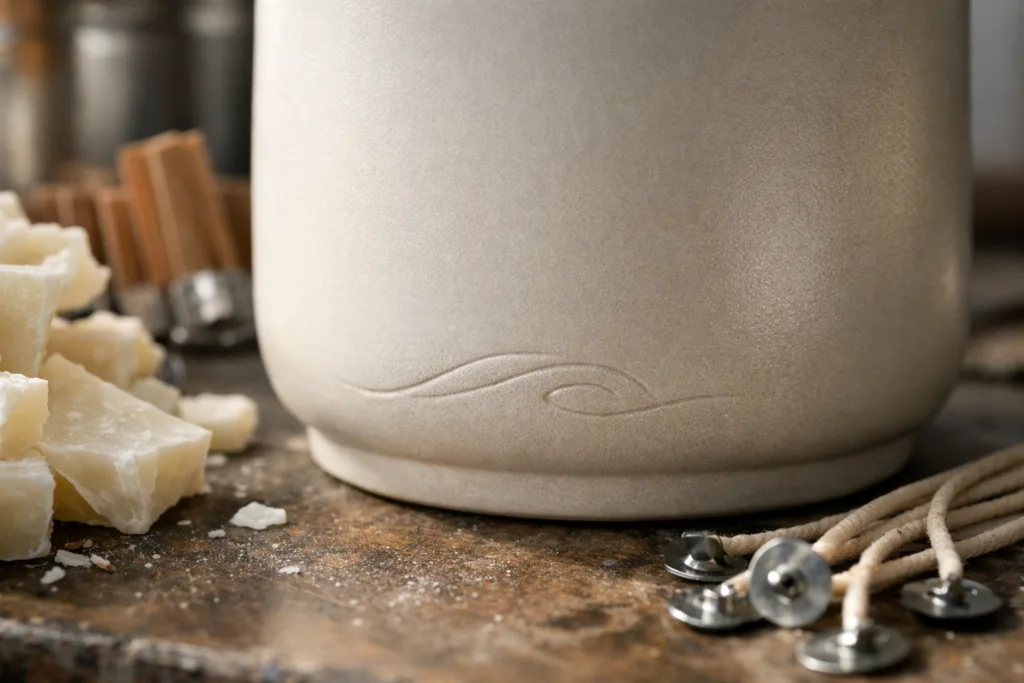
Ceramic candle vessels stand distinctly at the junction of high art and functional luxury. Their material character, finish potential, and capacity for bespoke branding make them the vessel of choice for premium scent lines, exclusive collaborations, and discerning artisan studios.
- Rich, sensorial weight: The heft and tactile presence of ceramics communicates substance and exclusivity in hand.
- High heat resistance: Ceramics offer stable burn environments, minimizing thermal shock and promoting consistent wax melting—even with extended burns.
- Unlimited shape possibilities: OEM manufacturing empowers freeform curves, faceting, embossing, and custom molds that are difficult or impossible with glass.
- Premium brand alignment: Glazed, unglazed, or hand-finished ceramics support both minimalist and ornate aesthetics, reinforcing a brand’s design language.
“Circe Home’s custom ceramic OEM projects often favor subtle matte glazes and heavy-walled vessels, engineered for high fragrance load candles with a clean burn profile.”
Key Limitations of Ceramic Candle Jars
- Higher cost per unit: Compared to glass, the cost per ceramic jar reflects the materials, skilled labor, and complex firing involved.
- Minimum order quantities (MOQ): Customization typically requires higher MOQs to justify bespoke molds and small-batch glaze production.
- Longer lead times: Each additional glaze or hand-finish step adds to production schedules; plan for generous approval and sample windows.
Ceramic Candle Jar Customization: Colors and Glazes
Color, gloss, and texture are pivotal in expressing a brand’s identity through ceramic. Modern OEM ceramic manufacturers provide a spectrum of options beyond classic white or black, including reactive glazes, speckled finishes, and two-tone layering.
Popular Custom Ceramic Glaze Styles
- Matte pastel finishes: Soft, chalky tones beloved by wellness candle lines and minimalist home décor labels.
- Glossy, crackle, or pearlescent glazes: High-impact visual effects that accentuate modern and avant-garde vessels.
- Hand-painted and dipped ceramics: Completely unique jars for limited runs or artisanal collections.
- Raw clay & tactile textures: Sandblasted, stippled, or fluted surfaces that connect with earthy fragrance stories.
Color Development Process
Brands work closely with their OEM partners to develop specific Pantone matches or custom glaze swatches. Typically, a target sample is created, test-fired, and refined in at least one iteration before sign-off, ensuring harmony with box or label colors and a flawless final product. For luxury brands like Circe Home, attention to glaze thickness and evenness is essential to eliminate coverage gaps and preserve vessel integrity during curing and burn cycles.
Firing Techniques & Their Impact on Candle Jar Performance
Ceramic candle jars are kiln-fired—either in a single (bisque only) or double (bisque + glaze/overglaze) phase—which determines their porosity, strength, and finish. High-fired porcelain boasts exceptional durability and lower water absorption, making it ideal for candles with high fragrance load and extended burn profiles. Earthenware and stoneware allow for heavier, more rustic finishes but may require interior glazing for optimal wax compatibility and safety.
| Wax Blend | Max Fragrance Load (%) | Burn Profile | Scent Throw (Hot/Cold) |
|---|---|---|---|
| Soy-Coconut | 8–11% | Clean, low soot, ~40 hrs (200g) | Strong/Defined |
| 100% Soy | 7–9% | Even, minor frosting | Subtle/Natural |
| Beeswax Blend | 6–7% | Extended, low fragrance volatility | Soft/Mellow |
| Paraffin-Enhanced | 10–12% | Long, robust diffusion | Very Strong/Intense |
Key Ceramic Jar Technical Specifications
- Wall thickness: 5–8 mm (impacts heat distribution, durability)
- Interior seal: Food-safe glaze highly recommended for all vegan/natural waxes
- Base engineering: Flatness, foot ring for heat dissipation, and wick stability
MOQ and Manufacturing Workflow for Ceramic OEM Candle Jars
Custom manufacturing of ceramic candle vessels is inherently more labor- and process-intensive than glass or tin. Brands seeking full customization—size, shape, color, glaze—should anticipate higher MOQs (Minimum Order Quantity) to offset mold creation, sampling, and specialized production runs.
Typical MOQ Guidelines
- Custom mold + glaze: 3,000–5,000 units (single shape/color)
- Pre-set mold + custom color/glaze: 1,000–2,000 units
- Minor decor/branding only: 500 units (limited color/finish adjustment)
Luxury OEM partners, such as Circe Home, guide customers through the complexity of prototype iterations, color sampling, and pre-production testing—often crucial when developing signature vessels or brands targeting the upper echelons of the market.
Ceramic Candle Jar Manufacturing Process: Step-by-Step
Understanding each phase of ceramic candle jar production is vital for reliable project management and for aligning expectations between brand and manufacturer.
- Concept & Technical Design: CAD drawings and renderings define dimensions, wall curves, colorways, and branding treatment.
- Mold Creation: Master molds are CNC-milled or hand-shaped, allowing precision for both classic and avant-garde forms.
- Slip Casting or Press Molding: Ceramic slurry is poured or pressed into molds, de-molded, then air-dried/trimmed.
- Bisque Firing: The first firing stage—jars gain structural integrity, and porosity decreases.
- Glazing & Finish Application: Glaze is applied by dipping, spraying, or hand-brushing; custom effects are hand-finished here.
- Glaze Firing: The final phase locks in color, sheen, and smoothness. High-precision quality checks catch glaze drips or internal roughness.
- Quality Control & Packing: Each vessel is individually inspected for pinholes, hairline cracks, color accuracy, and dimensional uniformity before labeling and boxing.
Wick Selection & Burn Performance in Ceramic Candle Jars
The density and thickness of ceramic jars impact heat retention, so wick sizing requires careful calibration. For 200g–300g luxury candles, cotton wicks (thicker gauge) or dual-wicking are often optimal, reducing the risk of tunneling while promoting a strong, soot-free burn. For coconut, soy, and high fragrance load waxes, ensuring clean combustion necessitates both suitable wick material and precise centering during hand-pouring processes.
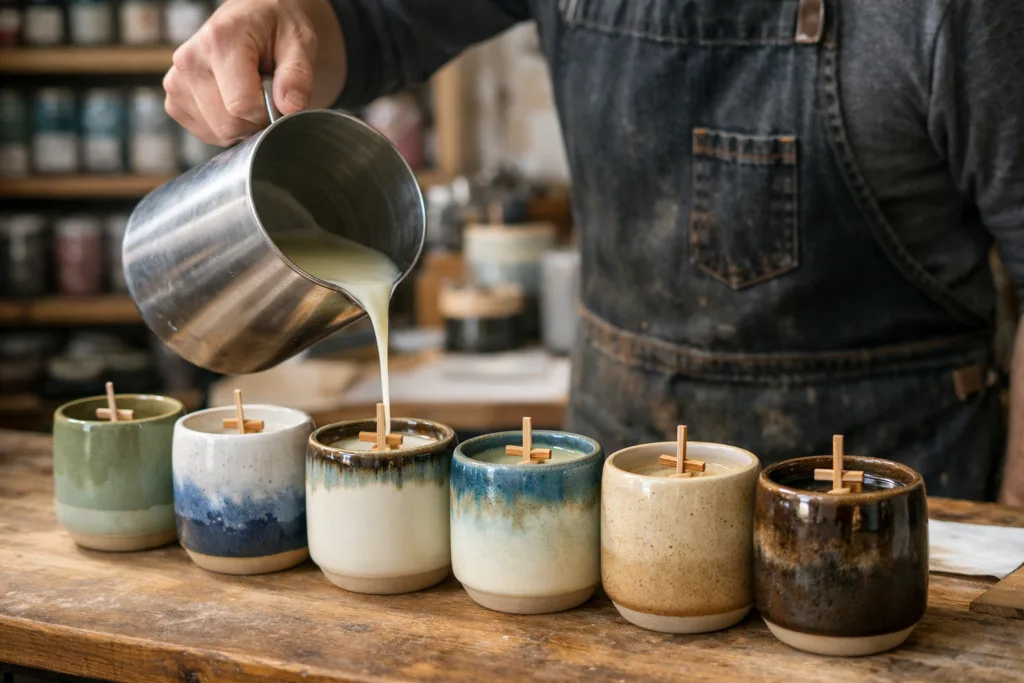
Wick Sizing by Vessel Dimensions
Vessel diameter, wax formula, and fill weight together dictate wick sizing. Manufacturers will typically conduct multi-burn tests, adjusting wick type and length for maximum scent throw without mushrooming or soot formation.
Compliance, Safety, and Sustainability for Luxury Candles
Luxury markets demand not just aesthetic distinction, but also verifiable safety and sustainability. Modern ceramic candle OEMs meet international regulations—such as IFRA 51st amendment, EU CLP rules, and provide CLP/IFRA-compliant labeling and allergen declarations with every project. Many, like Circe Home, also offer eco-packaging, soy ink labeling, FSC-certified boxes, and refill/repurposing programs.
Quality and Safety Testing Checklist
- Burn time verification (35–50+ hrs for 200g–300g fills)
- Soot index and wax residue assessment
- Thermal shock and glaze leach testing
- Candle safety labeling and warning review
Applications: Where Ceramic Candle Jars Shine
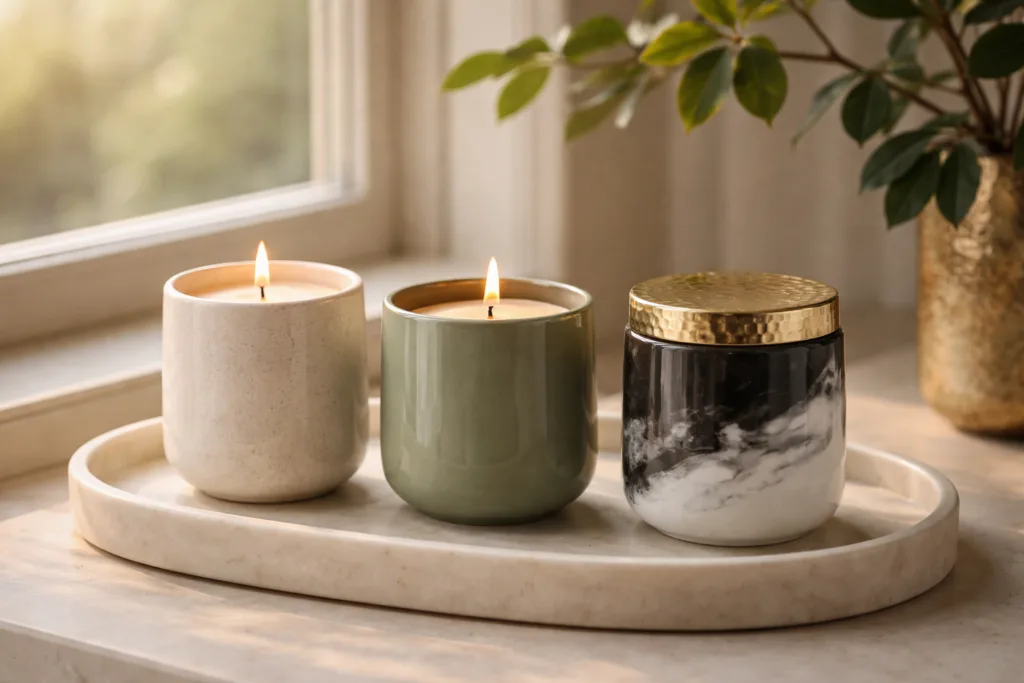
Custom luxury ceramic vessels have particular appeal in premium retail, wellness spaces, hospitality, and as aspirational gifting. Their weight and unique finishes stand out on minimalist shelves, boutique hotel suites, or influencer-curated Instagram posts. In refillable and sustainable formats, ceramics also support eco-conscious luxury positioning and brand storytelling.
Notable Scenarios
- Spa and hotel lines: Robust, elegant jars suit stress relief/wellness blends.
- High-end home fragrance: Signature color-matched ceramics for design-driven retail brands.
- Seasonal gifting or limited editions: Bespoke shapes/colors for influential launches.
Frequently Asked Questions
What are the main advantages of ceramic candle jars over glass?
Ceramic jars offer superior design flexibility, rich tactile feel, excellent heat resistance, and elevate a luxury brand’s aesthetic through custom color, glaze, and shape options unavailable with glass.
What is the typical MOQ for custom ceramic candle jars?
For fully custom molds/glazes, MOQ starts around 3,000 units. With pre-set shapes and just custom colors or branding, MOQs as low as 1,000 units may be possible.
How are custom colors and glazes created for ceramic vessels?
Brands submit color references (e.g., Pantone). The manufacturer develops and test-fires samples, adjusting for kiln effects, before final approval and production.
What waxes work best with ceramic candle jars?
Soy, coconut, rapeseed, and beeswax blends all perform well in glazed ceramic vessels. High heat stability supports even burn and strong scent throw with appropriate wick selection.
Do ceramic vessels require special safety testing?
Yes, finished jars undergo burn tests, glaze leach checks, and thermal shock inspections to ensure safety and compliance for luxury/private-label launches in major markets.
Can ceramic candle jars be refilled or reused?
High-quality ceramic jars can be cleaned and refilled multiple times, making them a sustainable choice for premium, refill-focused candle lines.