
Brand Positioning: Vessel Shape’s Role in Identity
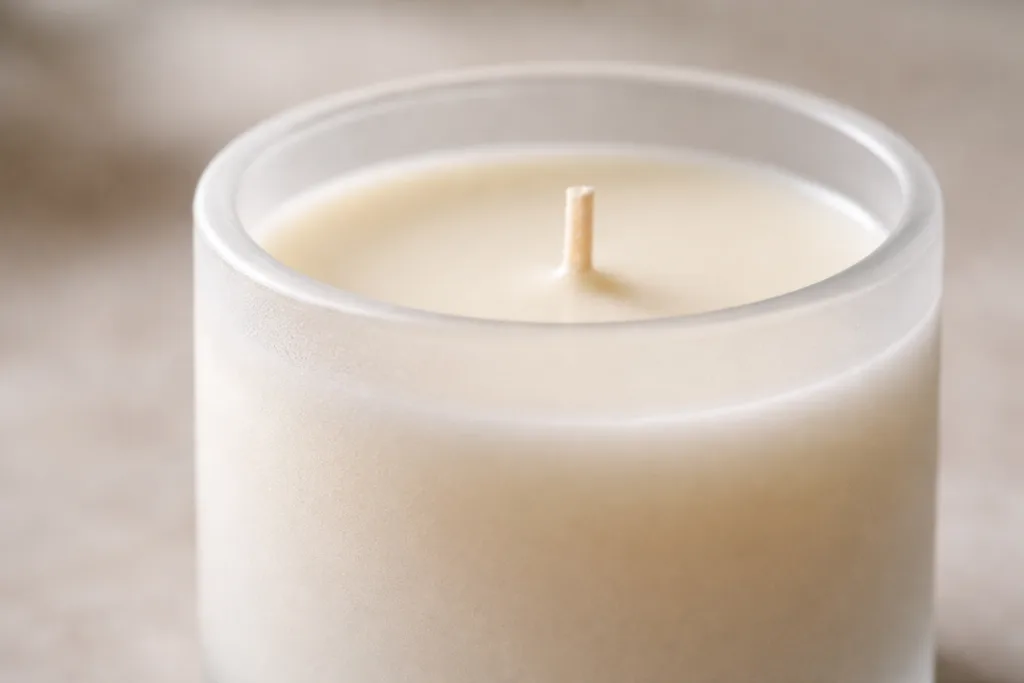
The profile of a candle jar—round, straight-sided, or angular—visually signals brand intent and price segment. Minimalist straight glass, classic apothecary, or custom luxury forms create distinct emotional cues at the moment of unboxing. For design-led brands, cup type even defines the feel of a collection: a thick-bottomed frosted glass conveys softness and restraint, while tall, dramatically colored jars evoke bold modernity.
How Vessel Choice Impacts Perceptions
- Minimalist Whites & Frosts: Associates with wellness, spa, and Nordic-inspired labels. 8oz and 12oz white matte-frosted glass is a current best-seller, favored for upscale but approachable lines.
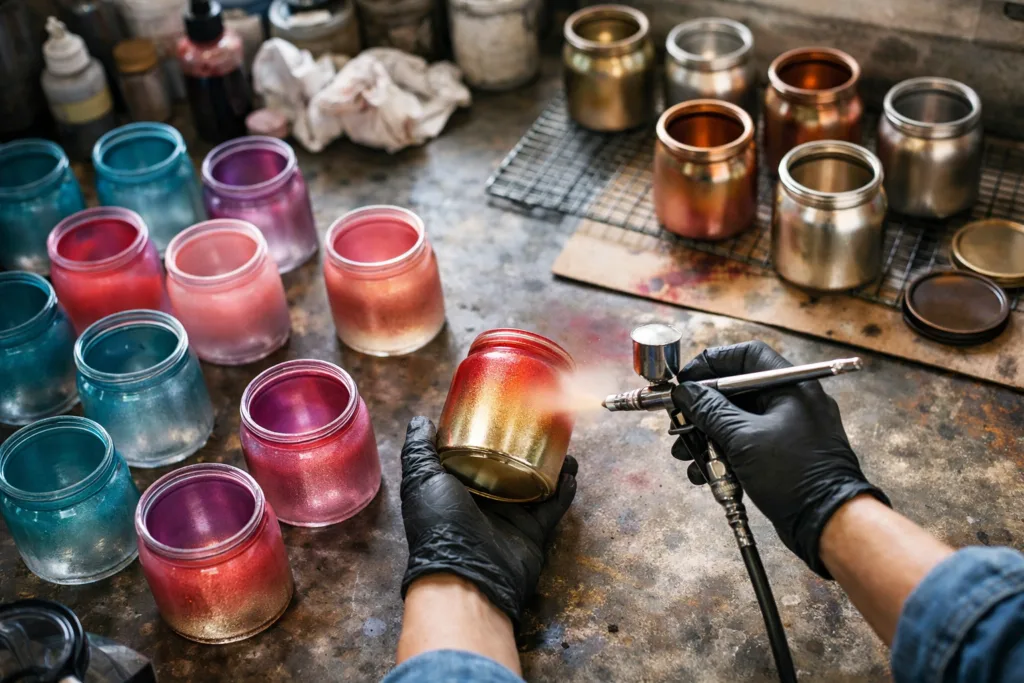
- Color Transitions & Metallics: Sprayed color, ombre fade, or electroplated finishes create luxury associations and allow for signature looks—ideal for premium gifting and hotel contracts.
- Cup Height & Diameter: Compact jars signal intimacy and simplicity; oversized vessels suggest special occasion or showpiece value.
Material Choices & Custom Options
- Glass (clear, frosted, colored, electroplated)
- Ceramic (glazed, raw, bespoke forms)
- Concrete (minimalist, tactile)
- Metal (tins for travel/lifestyle)
Hot-Selling Jar Sizes: 8oz & 12oz White Frosted Glass
For brands seeking mass appeal with a luxury touch, 8oz and 12oz white frosted glass candle jars dominate both retail and OEM production. These sizes offer ideal proportions for most wax blends, with a clean, versatile look that adapts to scent launches throughout the year. The matte, semi-opaque finish controls fingerprinting and diffuses label graphics, reinforcing a modern, elevated aesthetic. Circe Home’s custom blends perform optimally in these volumes, achieving burn times upwards of 35 hours for 200g fills.
The Benefits of Frosted Glass Candle Jars
- Enhanced label visibility and color pop
- Soft diffusion of flame for a calming effect
- Splash-proof and reduced drip visibility
- Premium tactile impression for unboxing
Comparative Table: Glass Vessel Types & Performance
| Vessel Type | Scent Throw | Burn Time | Cost | Typical MOQ |
|---|---|---|---|---|
| Clear Glass Jar | Excellent, full diffusion | 35–50 hrs | Low | 48–72 pcs/ctn |
| Frosted Glass Jar | Slightly softened cold throw | 35–45 hrs | Medium | 48–72 pcs/ctn |
| Electroplated / Metallic | Reflects flame, aura effect | 32–44 hrs | High | 100+ pcs/ctn |
| Ombre / Sprayed Glass | Balanced | 33–45 hrs | Medium-High | 72–108 pcs/ctn |
Finish Techniques: Spraying, Gradients, Electroplating
A distinctive finish can give standard vessels bespoke appeal. Popular options for luxury candle jar custom orders include:
- Sprayed Color: Uniform matte or gloss coating, color-matched to branding, affordable for small runs.
- Gradient (Ombre): Layered transitions for depth and intrigue, higher artistic value, moderate premium over solid spray.
- Electroplating: Metallic reflective surfaces (gold, rose, chrome) signal ultra-premium positioning, higher MOQ and per-unit cost.
Cost Considerations for Advanced Finishes
Specialty jar finishes influence not only pricing but also production lead time and minimum order quantity (MOQ). Electroplated jars, for instance, often require MOQs of 100 units or more per color due to the complexity of the process and material use; standard sprayed finishes are feasible with box-based MOQs starting at 48–72 pieces. Gradients and color transitions add moderate cost—often 15–30% above base glass.
Finish Selection Tips
- Match finish complexity to batch size: Small brands may prefer sprayed or ombre for manageable MOQs.
- Integrate finish with outer packaging: Reflective metallics pair beautifully with foil-embossed boxes.
- Anticipate market positioning: Electroplated finishes suit high-end launches; frosted glass anchors spa and clean-label lines.
“Circe Home Lab Insight: For fragrance-rich luxury candles, select vessels with consistent wall thickness and interior coatings. These configurations minimize micro-cracking during hot-pour, protect scent integrity, and ensure a uniform clean burn profile.”
MOQ and Wholesale Logistics: By Case or By Design
When sourcing custom candle jars wholesale, MOQ is set by both finishing process and packing format. Most manufacturers (including Circe Home) ship by carton, typically 48–72 pieces per standard glass jar size. Specialty finishes or custom forms (non-cylindrical, thick-walled) may push MOQs to 100–144 pcs per color/design. Larger projects (hotel/private label chains) can negotiate lower per-unit costs at higher volumes.
Typical MOQ Structures
- Standard glass 8oz/12oz frosted: 48–72 pcs/carton
- Electroplated/ombre: 100+ pcs/color
- Ceramic/concrete/embossed: 500–1,000 pcs
- Outer box customization: MOQ by design, usually 500–2,000 pcs
Shipping and Compliance Notes
Ensure that all jars comply with fragrance and wax safety labeling. For EU-bound shipments, CLP requirements stipulate outer carton marks and IFRA compliance documentation—Circe Home supports these protocols as standard.
Choosing Size and Capacity: Burn Time & Experience
The relationship between jar dimensions, wax fill, and scent throw is critical for both performance and consumer satisfaction. 8oz and 12oz jars remain the sweet spot for boutique luxury lines, offering a classic burn experience with wax blends such as soy, coconut, rapeseed, or beeswax. The vessel diameter determines wick size, influencing burn profile and even wax pool formation. For reference, a 200g soy-coconut blend in a 12oz frosted jar delivers >35 hours of burn with optimal hot throw, minimal soot, and steady curing.
Capacity Selection Guide
- Identify wax blend and fragrance load target (e.g., soy-coconut with 7–10% fragrance)
- Match vessel width to wick type (cotton, wood, paper-core) for complete melt pool in first 3 hrs
- Assess intended burn time: Standard 8oz jar = 30–35 hrs, 12oz = 40–50 hrs
- Factor in label and decorative needs—taller jars for multi-layer branding
- Consult manufacturer for recommended fill weights by jar type
Burn Time vs. Vessel Size Table
| Jar Size | Wax Fill (g) | Recommended Burn Time | Wick Diameter |
|---|---|---|---|
| 8oz / 220ml | 190–220g | 30–35 hrs | 2.5–3.0mm |
| 12oz / 350ml | 320–350g | 40–50 hrs | 3.5–4.0mm |
| 14oz+ / 400ml | 375–415g | 50–60 hrs | 4.0–5.0mm |
Performance Factors: Wax Blend, Fragrance Load, and Vessels
Optimal candle performance is rooted in chemistry, not just aesthetics. Soy, coconut, rapeseed, and beeswax each respond differently to vessel shape and size. Wider jars permit higher fragrance loads (up to 10–12%), while tall, narrow jars may require more careful wick selection to prevent tunneling or incomplete burn. Metal containers accelerate cooling; glass and ceramic retain heat for stronger scent diffusion. For high-fragrance luxury blends, choose containers that support extended curing (7–14 days) and robust cold throw.
Technical Tips for Your Candle Jar Selection
- Ensure container coating compatibility with essential/fragrance oils to prevent discoloration.
- Run burn profile tests for new vessel shapes before bulk production.
- Request lab certificates for wall uniformity and heat resistance on custom forms.
Quality Assurance: Safety, Testing, and Compliance
Not all candle containers are created equal—robust QC processes are non-negotiable for luxury production. Each jar batch must undergo wick centering verification, glass integrity inspection, and burn testing for soot and melt pool formation. Scented candles destined for export require IFRA declaration and CLP-compliant labeling, protecting both brand and consumer. Circe Home’s commitment to clean burn, premium waxes, and responsible sourcing makes these standards a pillar of its OEM/ODM programs.
QC Checklist Before Launch
- Validate glass/jar uniformity: no warping, fusing, micro-cracking
- Test burn: >35 hours for 200g fill, full melt pool, controlled flame
- Evaluate scent dispersion consistency: both cold and hot throws
- Check labeling and compliance marks (IFRA, CLP)
- Confirm cap/lid fit and transport safety
Applications: Aligning Jar Choice to Brand & Use Scenario
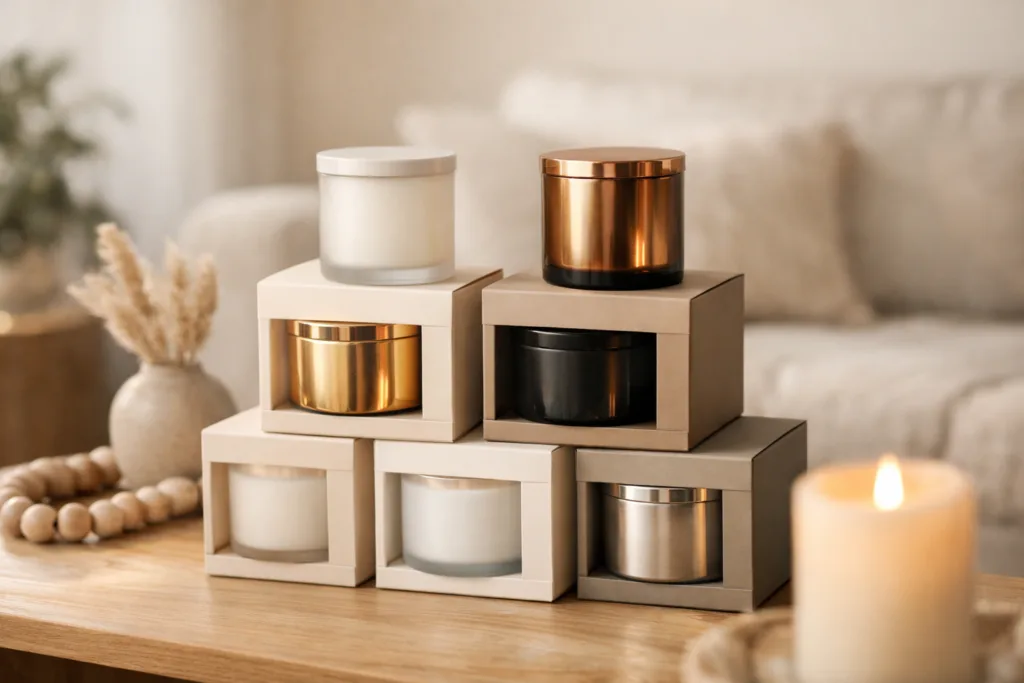
Strategic vessel selection amplifies a candle’s story. 8oz frosted glass fits wellness studios and minimalist boutiques. Electroplated luxury jars headline gifting lines for holidays or flagship hotel releases. Custom ceramic or concrete elevates eco-conscious spa collections. Your MOQ, finish, and size choices—balanced against target retail price—determine not only market entry, but also the credibility of your premium claims.
Real-World Use Cases
- Luxury gifting: Embossed glass and metallic finishes
- Hotel/spa candles: White matte-frosted, aromatherapeutic scents
- Private label retail: Custom glass, branded gradient ombres
- Eco-minimal: Ceramic/concrete vessels, FSC cartons
Frequently Asked Questions
How do I choose the right custom candle jar for my brand?
Select a vessel style and finish that aligns with your target customer, brand aesthetic, and price segment. Consider material, finish, and label compatibility for best results.
What are the benefits of frosted glass candle jars?
Frosted glass delivers premium presentation, diffuses flame, enhances label color, and resists fingerprints—all popular with luxury and wellness candle lines.
How do minimum order quantities (MOQ) affect custom jar selection?
MOQ is driven by finish complexity, jar shape, and packing format. Specialty finishes like electroplating require higher MOQs per design and per color.
How do I determine the right jar size and capacity for my candles?
Match jar capacity to your desired burn time, wax blend, and fragrance load. 8oz and 12oz are standard; always confirm fill volume and wick pairing.
What performance factors should I consider for luxury candles?
Optimize for clean burn, strong scent throw, compatible wick sizing, and wax blend stability. Vessel material and coating can affect curing and fragrance release.
What compliance and quality testing are required for candle jars?
All jars should undergo burn tests, wick centering validation, and scent throw consistency checks. IFRA and CLP labeling are essential for scented candles.