
Defining Your Olfactory Direction
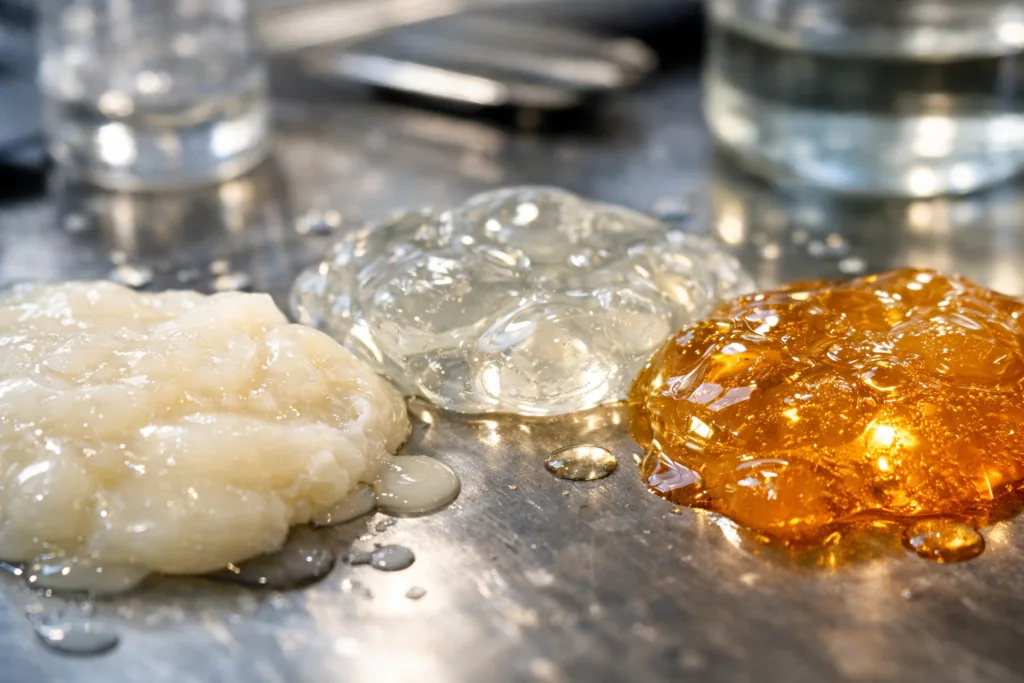
The first step in signature scent candle development is translating abstract concepts into concrete fragrance directions. For brands, inspiration often starts with moodboards, customer personas, or seasonal trends. Perfumer collaboration hinges on specificity: do you envision florals like jasmine and gardenia, juicy fruits such as fig and pear, woody undertones of cedar, or aquatic notes reminiscent of the ocean?
Popular Inspiration Categories
- Floral & Fruity: Jasmine, rose, peony, fig, bergamot
- Marine & Fresh: Sea salt, ocean breeze, driftwood
- Warm & Cozy: Amber, sandalwood, vanilla, tonka bean
Collaboration Tips
Share moodboard images, fragrance references (like famous perfumes or boutique candles), and descriptive keywords. Be clear on the emotions or scenarios the scent should evoke—relaxation, luxury, invigoration, or nostalgia. Circe Home’s fragrance consultants recommend brands compile a shortlist of inspiration sources, desired top-mid-base notes, and intended market positioning before the first perfumer call.
Communicating with the Perfumer: Precision Matters
Effective communication is central to developing a candle fragrance formulation that truly represents your brand. The goal is to balance creative freedom with actionable boundaries.
- Fill Out a Creative Brief: Include target ingredients, preferred fragrance family, target audience, desired intensity of hot/cold throw, budget limits, and any compliance needs (IFRA, EU CLP).
- Discuss Application: Confirm wax type (soy, coconut, beeswax, etc.), vessel size, and typical burn profile.
- Feedback Mechanism: Set clear expectations for sample review, iterative changes, and timeline.
Shared Language for Success
Use descriptive, unambiguous terms—”uplifting citrus” vs. “fresh,” “velvety musk” vs. “sweet.” If possible, reference established fragrance pyramids or formulations you admire. Circe Home’s lab team notes that providing a benchmark scent helps align expectations early.
Once the brief is delivered, the candle fragrance formulation begins. This phase typically unfolds across three main sample rounds, allowing for nuanced evaluation and refinement.
- Round 1: Perfumer presents 1–3 fragrance samples, each mapped to your stated direction.
- Round 2: You burn and cold-test each sample—assess scent throw, compatibility with your wax, and overall mood.
- Feedback Loop: Share detailed, written or recorded feedback covering intensity, note balance, and any off-smells.
- Round 3: Perfumer refines the blend according to your feedback, producing a final option.
Test each sample in your actual vessel and wax blend, noting how the fragrance evolves both when cold (cold throw) and heated (hot throw). Document burn hours, scent persistence, and any frosting or color change on the wax surface.
Hot Throw & Cold Throw
The power of a custom fragrance candle often hinges on scent diffusion, both before lighting (cold throw) and during burn (hot throw). Each wax and fragrance system interacts differently:
| Wax Type | Scent Retention | Hot Throw | Burn Time (200g) |
|---|---|---|---|
| Soy Blend | High | Strong | 35–40 hrs |
| Coconut Blend | Excellent | Intense | 33–38 hrs |
| Rapeseed | Moderate | Medium | 37–42 hrs |
| Beeswax | Low | Subtle | 30–35 hrs |
Factors Affecting Scent Performance
- Fragrance Load: Most waxes support up to 8-12% fragrance, but exceeding the recommended load can impair clean burn or cause separation.
- Wax Compatibility: Essential oils excel in coconut and soy blends; fragrance oils offer greater note complexity and stability.
- Curing Time: Allow 7–14 days for full scent development post-pour.
Fragrance Oil MOQ and Cost Considerations
Signature scent development for a candle line has operational impacts, especially regarding minimum order quantities (MOQ) and per-batch costing. Most fragrance houses set a base MOQ around 5kg for bespoke oil blends—sufficient for roughly 500–700 200g candles, depending on load percentage.
Typical Cost Structure
Custom fragrance oils command a premium versus stock scents, with per kg costs ranging from USD $60–$350 depending on composition, IFRA compliance, and exclusivity. Brands should factor fragrance costs into overall candle COGS (cost of goods sold), including wax, wicks, packaging, and labeling.
Circe Home Lab Insight: “Plan for extra fragrance oil during sampling and QC testing. Small batch pilots often consume more oil per candle than final-scale production—with the added value of refining your signature blend.”
Wax, Wick, and Fragrance Systems: Technical Alignment
Optimizing the candle fragrance formulation requires understanding the interaction between wax blend, wick type, and fragrance system. Key technical checkpoints ensure your bespoke candle scent performs beautifully in both scent and burn profile.

Wax Selection
- Soy: Clean burn, subtle cold throw, some frosting tendency.
- Coconut: Smooth finish, creamy melt, robust scent throw.
- Rapeseed: Renewable, moderate throw, stable color.
- Beeswax: Natural aroma, limited fragrance uptake.
Wick Sizing Notes
Match wick width and fiber to vessel diameter and wax type. Oversized wicks cause soot and tunneling, while undersized wicks lead to poor melt pools.
Bespoke Candle Scent Chemistry
Essential oils are favored for clean-label lines, though they are more volatile and less complex. Fragrance oils permit layering and intricate blends, vital for a signature scent candle development. Always verify IFRA and EU CLP compliance for all custom blends.
Packaging Your Signature Scent: From Vessel to Branding
A truly signature scent candle pairs bespoke fragrance with luxurious, well-considered packaging. Today’s buyers expect not only scent sophistication but also tactile and visual refinement.
Container Selection
- Glass Jars: Classic, transparent, supports color play
- Ceramics: Heirloom feel, custom glazes, upscale
- Tins & Concrete: Modern, minimal, travel-friendly
Labeling & Compliance
Include IFRA allergen declaration, correct CLP labeling for the EU, and safety warnings. Circe Home offers optional FSC cartons, foil stamping, and soy ink for eco-sensitive brands.
Signature Scent Candle Development for Your Brand
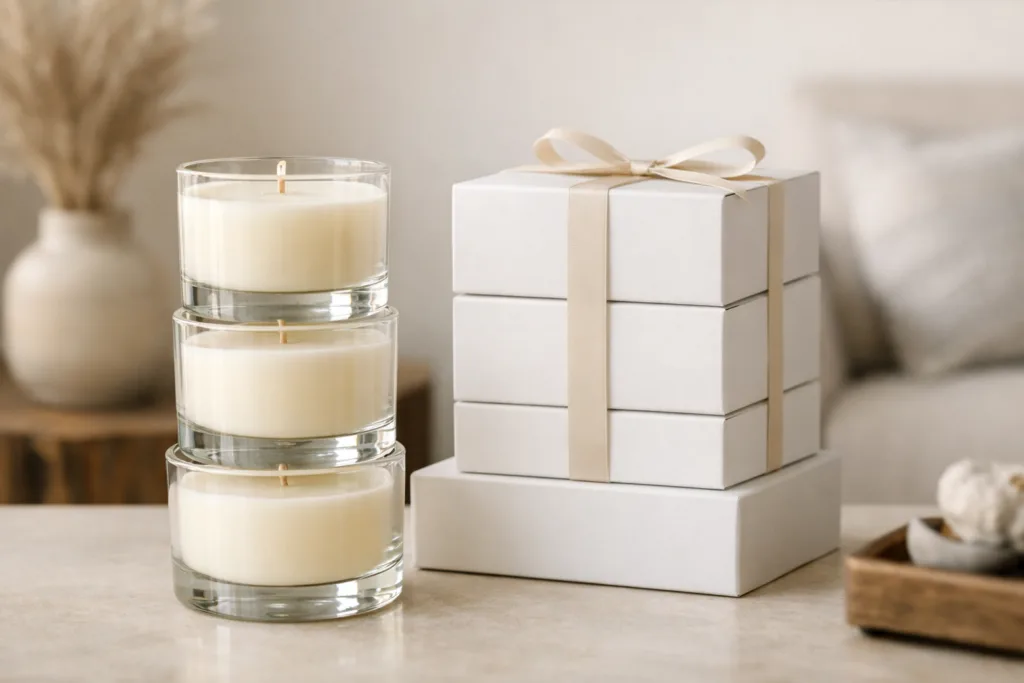
The signature scent candle development process is more than finding a pleasant aroma—it’s about synergy between wax, wick, oil, vessel, and consumer experience. Brands building for private-label retail, luxury gifting, wellness, or minimalist home décor must invest time in each step: ideation, perfumer briefing, iterative evaluation, technical alignment, and compliant packaging.
By following rigorous formulation and testing standards, and leveraging specialist support from partners like Circe Home, you unlock enduring value. Your bespoke candle scent becomes an olfactory signature—memorable, on-brand, and ready for the demands of world-class buyers.
Frequently Asked Questions
How do I communicate my scent vision to a perfumer?
Prepare a detailed creative brief including fragrance inspiration, target notes, preferred wax blend, and scent intensity goals. Reference market benchmarks and moodboards for clarity.
What is the minimum fragrance oil order for custom candle scent?
Most fragrance suppliers set a minimum order quantity around 5kg per bespoke blend, which supports a medium-scale production run for signature scent candle lines.
How many fragrance samples are typical during development?
Brands usually review one to three initial samples in the first round, with revisions based on technical and emotional feedback to select the final custom fragrance candle formula.
How is scent throw measured in candles?
Cold throw is tested by smelling an unlit candle, while hot throw is assessed after burning. Both are crucial for evaluating fragrance dispersion and consumer satisfaction.
Do wax types affect candle fragrance formulation?
Yes. Each wax type (e.g., soy, coconut, beeswax) interacts differently with oils, impacting fragrance load capacity, clean burn profile, and overall scent retention.
What compliance rules influence bespoke candle scent development?
All custom fragrance candles must meet IFRA standards for allergens and undergo proper CLP labeling in the EU to ensure consumer safety and international distribution readiness.