
What is MOQ in Candle Production?
MOQ, or Minimum Order Quantity, refers to the fewest number of candle units a manufacturer is willing to produce in a single batch. In candle production, MOQ is shaped by a combination of material efficiency, production line setup, and complex compliance requirements. Factories specializing in luxury or custom-scented candles (like soy, coconut, or beeswax blends) must balance artisanal quality and logistics—which directly impacts your cost per candle and your brand’s flexibility.
Understanding MOQ in Candle Production: How Factories Calculate Your Price
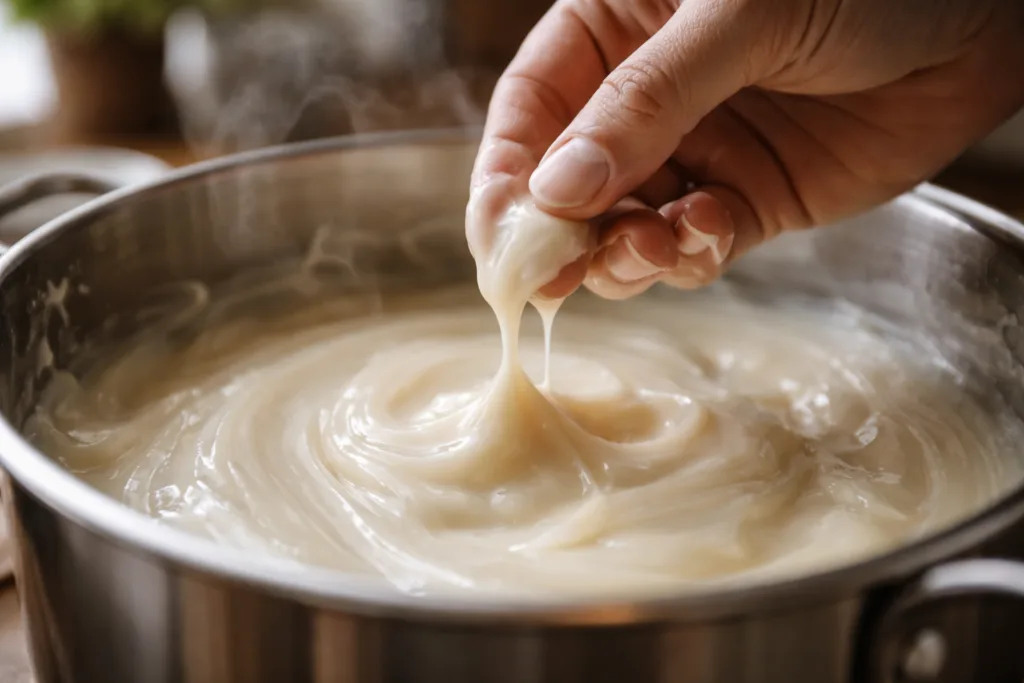
When you ask a candle factory for a quote, the first number they reference is usually the MOQ. But MOQ isn’t arbitrary. It reflects the intricate math behind every batch: from raw wax sourcing to specialty fragrance development, vessel procurement, packaging customizations, and strict safety testing. Each variable feeds into your final price, with lower MOQs often incurring higher per-unit costs, while higher MOQs yield price breaks and fuller creative freedom.
The Factors That Determine Candle MOQ
Why do candle manufacturers set MOQs? The answer lies in operational economics and material efficiency. The MOQ protects the factory’s resources—ensuring that each run, regardless of size, accounts for supply chain complexity, labor input, and quality assurance protocols. Let’s break down these factors:
- Wax Type & Quantity: Sourcing premium waxes (e.g., soy, rapeseed, coconut) often requires full-pallet or barrel purchases. The more specialty the blend, the higher the likely MOQ.
- Fragrance Oil Development: Custom scents or IFRA-compliant blends may come with supplier-imposed minimums for production and dilution.
- Container & Packaging Choices: Custom glassware molds, colors, labels, and outer boxes require setup costs amortized over larger runs.
- Labor and Setup: Production-line adjustment, QC, and specialized finishing steps aren’t scalable for ultra-small batches.
- Testing & Compliance: CLP labeling, IFRA documentation, and burn testing add fixed costs, incentivizing larger batches.
Wax Blends, MOQ, and Candle Pricing
Wax selection drives MOQ benchmarks and influences price at a granular level. High-end soy/coconut blends, for example, demand specialty storage, gentle heating protocols, and batch blending with precise fragrance loads (8–12% typical). A factory may set a MOQ of 1,000 units for a pure coconut wax candle, while offering 500 MOQ for standard soy or paraffin blends.
| Wax Blend | Scent Throw | Burn Time (200g) | MOQ Typical |
|---|---|---|---|
| Soy 100% | Medium–Strong | 40–50 hrs | 500 |
| Coconut/Soy | Strong | 45–55 hrs | 1,000 |
| Beeswax Blend | Medium | 35–45 hrs | 1,200 |
| Paraffin | Strong | 40–55 hrs | 500 |
How Factories Calculate Your Candle Price
The price of a custom candle never hinges on a single factor. Instead, factories—such as Circe Home—employ a stepwise cost analysis, layering the specifics of your project with the batch constraints inherent to luxury candle production:
- Formula Design: Wax choice, fragrance load, colorants, and additives are defined. Specialty elements (e.g., unique color, high fragrance load, essential oils) trigger higher MOQs and price jumps.
- Material Procurement: Large-quantity sourcing of wax, fragrance oil, and wicks reduces per-unit cost. Custom packaging (like foil-printed boxes) often has 1,000+ MOQ from the packing vendor.
- Batch Testing: Pre-production includes burn profile checks, fragrance compatibility trials, and wick sizing (to prevent mushrooming and soot risk).
- Production Setup: Machinery calibration and labor allocation are costlier for bespoke runs; these fees distribute over the total unit count.
- Compliance & Quality: Each new formulation undergoes IFRA/CLP review and controlled testing, which may be more cost-effective at higher volumes.
Circe Home Lab Insight: “MOQ reflects our commitment to a refined scent experience. Each new fragrance passes a minimum seven-day curing period to ensure both cold and hot throw—steps that require batch consistency for accuracy and compliance.”
Customization Level vs. MOQ Implications
Brands seeking unique vessels, bespoke blends, or specialty packaging will see their MOQs rise accordingly. Each customization step has a ripple effect: custom container designs (with unique geometry or color coatings) can demand minimums upward of 5,000 pieces per container manufacturer—even if the candle order is smaller. Similarly, private-label boxes, silk-screen printing, or gold foiling all spike the MOQ and final price.
- Standard vessel, white-label branding: MOQ 300–500
- Custom color glass, branded packaging: MOQ 1,000+
- Exclusive fragrance development: MOQ 1,000–2,000 (per scent)
- Eco-packaging or refill schemes: MOQ varies by supplier
Material Sourcing: From Wax to Luxury Box
Every element—soy wax bead, beeswax slab, FSC-certified box—interacts with MOQ. Sometimes, a sustainable material (like rapeseed wax from France or soy ink for labeling) may carry supplier-imposed minimums that influence your project’s baseline price and available finishes.
Major elements affecting price:
Wax
MOQ in wax supply might start at 100kg per blend. For a 200g candle, that’s 500+ units. Requesting multiple blends or high essential oil compatibility will further boost your minimum.
Fragrance
Many top fragrance houses sell custom blends starting at 5kg per variant (enough for 2,000–2,500 units at 8–10% load). Lower quantities might require a surcharge or selection from catalog scents.
Vessels
Unique glass or ceramic shapes nearly always mean 3,000+ MOQ for efficiency. Standard, stock shapes are available at 300–500 MOQ.
Packaging
Custom boxes, labels, and inserts typically have external supplier MOQs. Luxury formats—magnetic closures, foil caps, velvet insets—may require batches of 1,000+ to justify print tooling and setup costs.
Production Workflow: From Order to Delivery
Supplying custom luxury candles is not a just-in-time process. Each production run includes:
- Formula approval
- Wax blending/melting and fragrance incorporation (at optimal flash point for scent retention)
- Wick gluing and vessel prepping (with tolerances for wick centering of ±1.5mm in premium candles)
- Pouring/cooling cycles, topping, and surface finishing (frosting checks for soy blends)
- Cure period—minimum 5–10 days for soy and coconut blends
- Labeling, outer boxing, packing for shipment
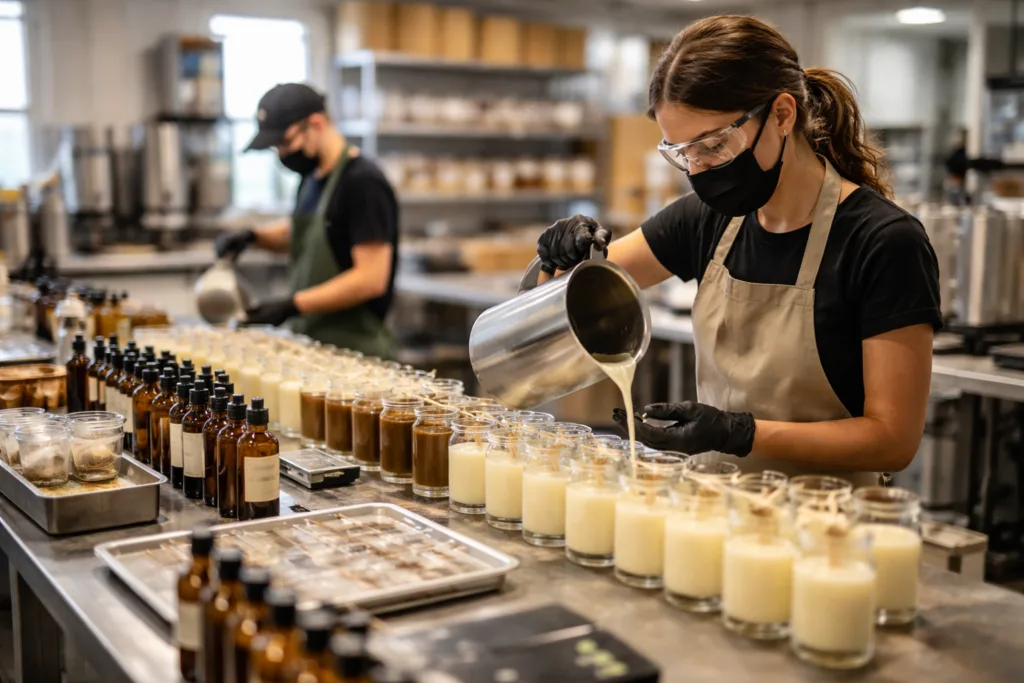
Each stage requires labor and raw material planning, with setup costs only justifiable at (or above) the factory’s MOQ.
Quality Control, Testing, and Compliance Impact
Luxury candle buyers demand a soot-free, long-burning product with consistent fragrance performance. Testing (for burn profile, soot index, vessel compatibility, and labeling accuracy) is a non-negotiable cost center, often amortized across MOQ batches. For instance, IFRA 51st and European CLP labeling requirements set documentation and compound analysis protocols—factories who supply brands like Circe Home routinely batch these services for each run, impacting your quoted price.
Strategies for Small-Batch and Startup Orders
What if you can’t commit to high MOQs? Some factories offer graduated solutions:
- Stock Blends: Selecting ready-to-pour fragrances and vessels enables MOQ as low as 200–300 units.
- Shared Production Slots: Joining scheduled runs where several brands share supply batches can lower your entry point.
- Phased Launch: Start with a single scent or vessel to test market viability—then scale up as volume discounts kick in.
However, understand that ultra-low MOQ almost always means higher per-unit cost, reduced customization, and potential delays if a supply chain bottleneck develops.
Applications: Luxury, Private-Label, and Custom Scented Candles
MOQ logic shifts depending on your market segment and channel. For luxury gifting or spa/hotel candles, higher-value packaging, exclusive fragrances, and unique finishes justify large MOQs and reward economy of scale. Direct-to-consumer or minimalist home décor lines may opt for stock formulas to keep MOQs—and risk—lower.
For private-label retail, consider these balancing factors:
- Custom fragrance or unique vessel? Target MOQ 1,000–2,000.
- Seasonal capsule collection? Use stock options, MOQ 300–500.
- Wellness/eco line? Vet suppliers for FSC, soy ink, or compostable packaging MOQs.
Sustainability and Compliance Influence on MOQ
Modern brands care about more than scent throw. Eco-packaging, soy- or rapeseed-based waxes, and CLP/IFRA 51st amendment compliance all impact both minimums and material sourcing. Circe Home, for instance, incorporates responsible sourcing into its core production flows, which sometimes leads to higher MOQs due to supplier constraints in secondary materials.
Key sustainability factors affecting MOQ:
- Post-consumer recycled glass: typically 2,000+ per batch
- Soy ink or compostable boxes: 1,000+ per print run
- Refillable candle formats: custom insert mold MOQ
Conclusion: Leveraging MOQ for Strategic Sourcing
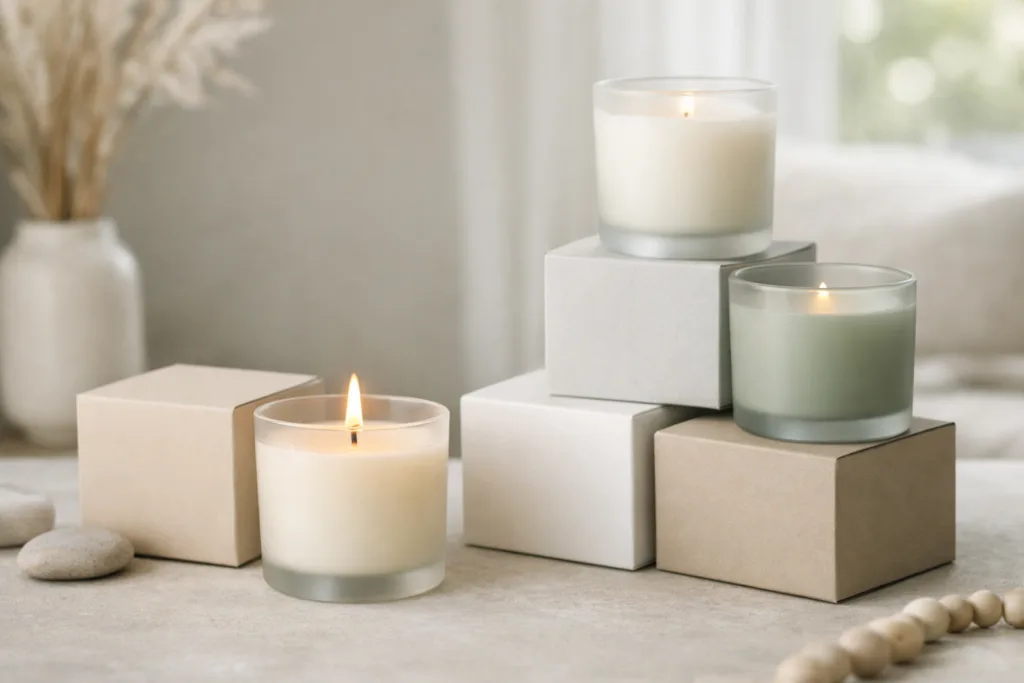
Mastering MOQ in candle production is about more than price haggling—it’s about unlocking the full spectrum of quality, scent experience, and brand-level customization your market expects. By decoding how factories (such as Circe Home) calculate their MOQ, you gain a decisive edge in project planning, cost control, and product differentiation. Collaboration and early-stage transparency with your chosen supplier ensure the MOQ works with your genesis vision—whether you launch a 300-piece test or a 5,000-unit global rollout.
Frequently Asked Questions
What is the typical MOQ for luxury soy candles?
For luxury soy candles, the typical factory MOQ ranges from 500 to 1,000 units, depending on vessel type, fragrance selection, and customization level. Sourcing unique packaging or bespoke fragrances can increase the MOQ to 1,500 units or more per variant.
How does custom packaging affect candle MOQ?
Custom packaging—such as color-printed boxes or embossed labels—often raises MOQ because packaging suppliers set higher minimums for specialty runs. It’s common for custom boxes or metallic foil details to require batches of 1,000 pieces or more.
Why are small MOQs usually more expensive per candle?
Small MOQs mean setup costs, compliance checks, and material surcharges are shared across fewer candles. This leads to a higher price per unit, especially for custom fragrances, premium waxes, or exclusive packaging formats.
What areas of the production process are most impacted by MOQ?
Wax sourcing, fragrance oil blending, vessel procurement, and quality testing are most impacted by MOQ. Customization further amplifies these effects, with higher MOQs required for unique design or compliance needs.
Can I source sustainable packaging at a low MOQ?
Sustainable packaging (such as FSC or recycled glass options) often comes with supplier-imposed minimums, typically 1,000 units or more. Some factories offer lower MOQs for standard eco-packaging but customization is limited.
Is it possible to test a new candle concept at a low MOQ?
Yes, some manufacturers offer ready formulas and vessels with MOQs as low as 200–300 units. This enables market testing before investing in custom molds, fragrances, or high-end packaging.