
Why Signature Fragrances Matter for a New Candle Line
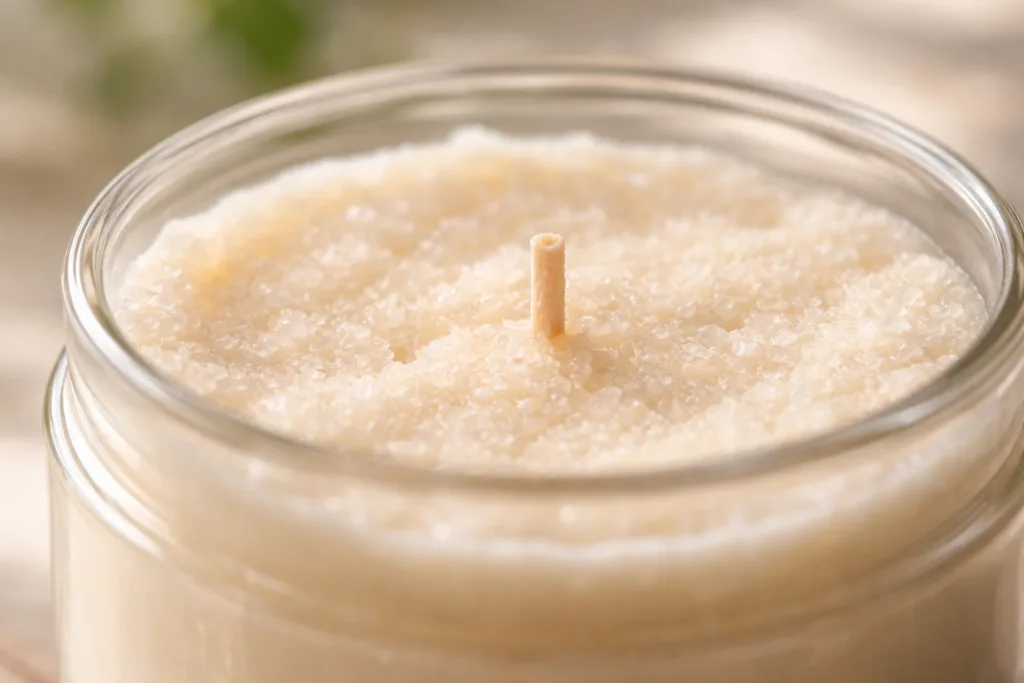
The fragrance of a candle is its soul, quietly weaving brand identity with every note released. Consumers are increasingly seeking scents that evoke emotion, tell a story, and foster connection to home. A distinct signature aroma ensures your new candle collection is instantly recognizable and irresistibly desirable.
Brand Differentiation
A bespoke fragrance sets your candles apart. Instead of replicating market trends, original scent blends foster customer loyalty and anchor your brand identity in the minds—and memories—of your customers.
Emotional Appeal
Fragrances trigger memories and emotions, making them a key touchpoint for brand storytelling and customer engagement. Choosing unique, captivating notes establishes an authentic connection with your target audience.
Understanding Fragrance Structure
A well-balanced fragrance is built on a harmonious combination of top, heart, and base notes. Each layer unfolds during candle burn to create a nuanced, evolving olfactory experience.
- Top notes: Light, fresh, and often citrusy; the initial impression.
- Heart notes: Complex florals, spices, or fruits that define the core character.
- Base notes: Deep resins, woods, and musks that linger long after extinguishing.
Cold Throw vs. Hot Throw
Cold throw describes the scent of the unlit candle, vital for the instant impression in-store or unboxing, while hot throw emerges as the wax melts during burn, defining lingering ambiance. Both must be balanced for a premium product.
How to Choose Unique Scents for Your New Candle Line
Selecting a fragrance blend is a marriage of creativity and strategic research. Identify gaps in the market, audience preferences, and cultural scent associations.
- Research Market Gaps: Analyze bestselling candles, paying attention to overused notes to avoid duplication.
- Consider Audience & Occasion: Wellness retreats may favor herbals or woods; luxury gifting leans into nuanced florals or gourmands.
- Collaborate with Perfumers: A skilled fragrance house or manufacturer brings both artistry and technical expertise—tailor notes to your vision.
- Test Extensively: Fragrance perceptions differ by wax base, vessel, and wick—run cold and hot throw tests across blends.
- Name and Position Scent: Unique, evocative names help your signature stand out.
Circe Home Lab Insight: “A signature fragrance for a new candle line thrives when its scent blend, wax type, and vessel harmonize, creating a memorable, multi-sensory experience.”
Wax Blends and Their Impact on Fragrance Expression
Different waxes influence how fragrances are perceived and released. Your choice of wax foundation is critical to performance, impact, and the overall customer experience.
| Wax Type | Scent Throw | Burn Time | Appearance |
|---|---|---|---|
| Soy | Strong with clean notes, holds botanicals well | Slow, ~35–45 hours (200g) | Frost-prone, smooth matte |
| Coconut | Very strong, creamy diffusion | Medium, ~30–40 hours | Creamy white, soft texture |
| Beeswax | Mild, naturally sweet undertone | Long, ~45–50 hours | Golden hue, rustic |
| Paraffin | Powerful throw, crisp | Medium, ~30–35 hours | Crisp white, glossy |
| Custom Blend (e.g., soy-coconut) | Optimized; balance of throw and clean burn | Varies, ~35–45 hours | Smooth, customizable |
Important Wax Performance Factors
- Fragrance Load: Max % of fragrance compatible with wax without separation or sooting (often 7–12%).
- Curing Time: Essential for scent integration and optimal hot throw—typically 10–14 days for soy blends.
- Flash Point Compatibility: Oils must suit the wax’s melt and burn temperature for safe, stable diffusion.
Developing and Testing Fragrance Oils
Fragrance creation involves selecting and blending essential and/or fragrance oils, then evaluating their performance in wax. Both sensory allure and compliance must be balanced from the first lab sample to the final burn test.
Essential Oils vs. Synthetic Fragrances
- Essential oils: All-natural, unique therapeutic appeal, but limited scent range and some volatility issues.
- Fragrance oils: Broader scent palette, enhanced stability, more consistency and longevity in soy/coconut candles.
Quality Control Benchmarks
All prototype batches must undergo sustained testing for:
- Cold and hot throw scoring
- Fragrance load stability (no syneresis, clouding, or separation)
- Burn profile: clean, soot-free, strong diffusion
- Wick compatibility
- Visual appearance (no frosting, smooth top)
- IFRA and allergen declaration compliance
Optimizing Wick, Vessel, and Burn Profile for Signature Scents
To express signature fragrances at their peak, each variable—from wick size to vessel shape—must be tuned for flawless burn and even scent diffusion.
Wick Selection
- Cotton: Suits most blends; clean combustion.
- Wooden: Distinctive crackle, suited to coco-soy blends; requires careful sizing for full melt pool.
- Paper-core: Robust throw, ideal for paraffin but can run hot in natural waxes.
Burn Profile Keys
Trim links affect flame stability and sooting. Testing across vessel diameters ensures the wick is neither under- nor over-powered, safeguarding fragrance clarity and container safety.
Container & Packaging: Amplifying Scent Story
The perfect fragrance deserves equally distinctive packaging. Vessels and outer boxes are crucial stages where brand narrative and olfactory delight converge.

Vessel Options
- Glass (custom color/embossing)
- Tins (travel-friendly, matte or gloss finish)
- Ceramics (artisanal, reusable)
- Concrete (contemporary, tactile)
Labeling and Compliance
Clear, elegant labels highlight signature scent names, IFRA certificates, CLP safety info, allergen declarations, and batch codes. Luxury lines often use foil stamping or spot varnish for tactile cues.
Quality, Compliance, and Sustainable Practice
New candle lines must pass exacting quality and regulatory standards to ensure customer safety and product longevity.
Burn Time & Soot Index
Premium candles (200g) aim for 35+ hours of soot-free burning. Consistent centering and secure wooden or cotton wicks eliminate risk of glass overheating.
Global Fragrance Compliance
- IFRA 51st Amendment: Global safety standards for fragrance allergens and permitted levels.
- CLP Labelling (EU): Hazard and allergen info for consumer transparency and legal compliance.
- Eco-Packaging: FSC cartons, compostable inners, and soy ink are increasingly requested in private-label and luxury gifting sectors.
Working with a Manufacturer Like Circe Home
A trusted partner—like Circe Home—offers end-to-end support in fragrance development, wax optimization, vessel design, and regulatory consultation. Their expertise ensures your signature blend is captured, tested, and scaled to production, with full sensory and technical accuracy.
OEM/ODM Development Steps
- Initial creative brief: client and perfumer share moodboard, inspirations, and market vision
- Selection of wax, wicks, vessels based on brand identity and scent expression goals
- Lab sampling and iterative testing (throw, burn, compliance)
- Custom packaging design and regulatory label approval
- Production, boxing, and shipment to global fulfillment centers
Applications for Signature Scents in Your Product Strategy
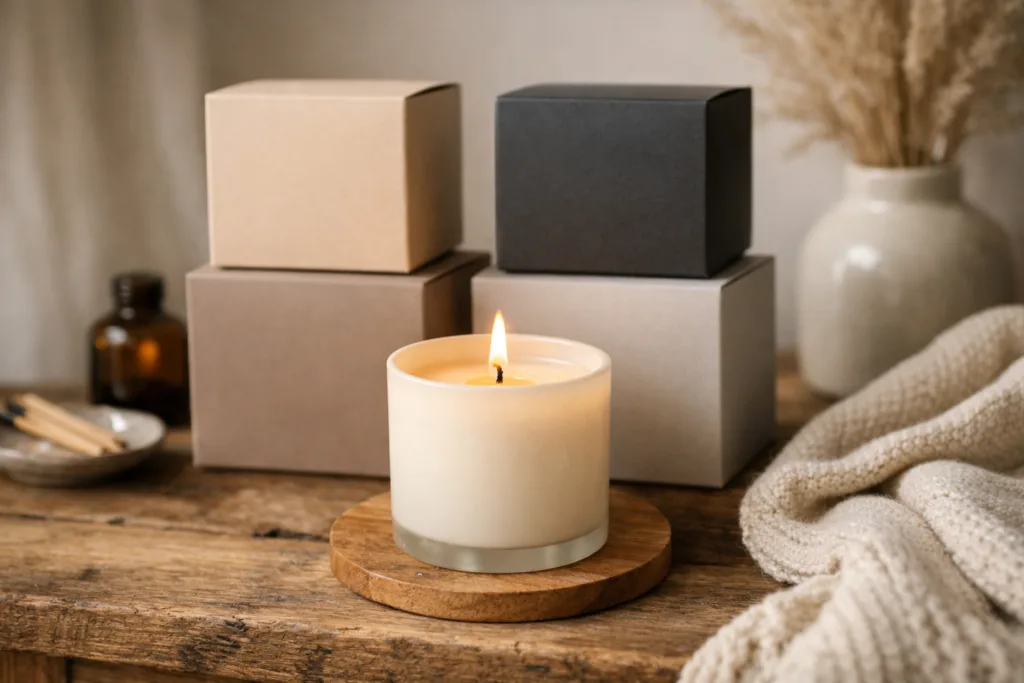
Beyond private-label retail, signature fragrance candles add value to wellness, spa, hospitality, and limited-edition lines. Distinctive blends become the centerpiece of loyalty-building strategies in e-commerce, boutique retail, and luxury gifting programs.
Case Example: Minimalist Line
Pairing a creamy soy-coconut wax with Japanese hinoki, white tea, and violet creates a serene profile that perfectly suits wellness and minimalist décor positioning—subtle, memorable, and calming.
Gifting and Retail
Bespoke outer boxes and sustainable elements (like compostable refill inserts or reusable vessels) can reinforce your brand’s environmental responsibility and add further value.
Frequently Asked Questions
What defines a signature candle fragrance?
A signature candle fragrance is a distinctive, custom-crafted scent blend that sets a new candle line apart from competitors and strengthens brand identity.
How do I know if my scent is unique?
Conduct market research, avoid replicating popular commercial blends, and test your fragrance with focus groups across target demographics to confirm originality.
What wax is best for expressing signature scents?
Soy and coconut blends are popular for their clean burn and enhanced scent throw, but performance depends on desired fragrance profile and target market.
How do I ensure fragrance safety and compliance?
Adhere to IFRA standards, declare allergens, use certified fragrance oils, and label according to CLP and global regulations for your selling regions.
Can natural essential oils create strong candle fragrances?
Natural essential oils offer unique notes but are less stable and potent in candles than specially designed fragrance oils, especially for a strong hot throw.
How long should a signature candle cure before sale?
Allow soy and blended wax candles with complex fragrances to cure for at least 10–14 days for optimal scent integration and maximum hot throw performance.