
Launch Your Candle Business: Why Custom Packaging Matters
Embarking on your own candle business journey means creating products that stand out in a saturated market. From scent blend to burn quality, every detail is essential—but custom packaging is where your candles first captivate customers. Whether it’s a minimalist soy wax line or a boutique luxury offering, the right custom packaging, box, labels, and branding set the tone for your entire brand experience. This guide details every step to establish your candle business with impactful, elegant packaging that resonates from first glance to first burn.
Start a Candle Business with Custom Packaging: Box, Labels, Branding Tips
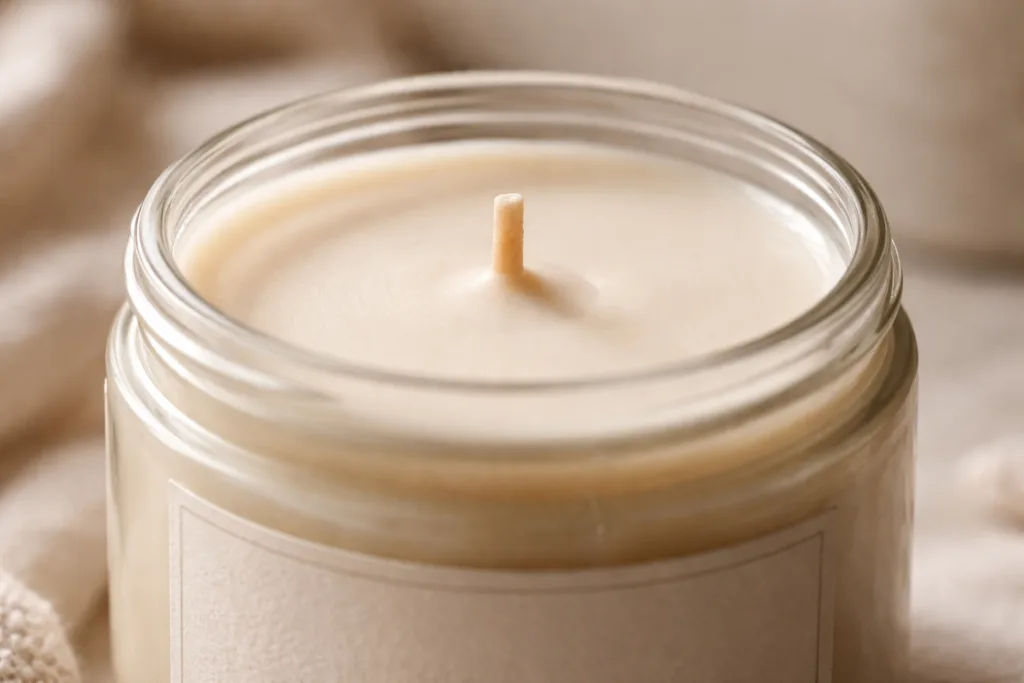
A thriving candle brand begins with a strategic approach to packaging design. Custom boxes, tailored labels, and thoughtful branding weave together your scent story and quality promise. For both new founders and growing ateliers, these elements aren’t simply decorative—they signal your fragrance identity, elevate perceived value, and protect your product’s integrity. Dive into the critical decisions and hands-on tips to create packaging that aligns with your vision and captivates your audience.
Defining Your Candle Brand Vision
Your brand vision is the compass that guides every candle, from wax blend to box finish. Begin with these foundational steps:
- Identify your audience: Are you targeting wellness-focused millennials, modern gift-givers, or luxury spa buyers?
- Clarify your mission: Clean burn, cruelty-free sourcing, or exclusive scent experiences?
- Choose your aesthetic: Minimalist, rustic, or ornate influences drive packaging direction.
- Map your competitive landscape: Analyze bestsellers, packaging trends, and gaps in the market.
Circe Home excels at translating brand values into packaging solutions that elevate both unboxing and display—think tactile papers, metallic accents, and custom scent labeling.
Essential Elements: Custom Candle Packaging 101
Box Formats & Materials
Selecting the right outer box provides both protection and personality. Weigh these options:
- Rigid boxes: Premium appeal, ideal for luxury lines
- Folding cartons: Cost-effective for artisan or eco lines
- Tubes/hexagon boxes: Distinctive shelf presence, fits specialty vessels
Label Types & Design
Labels do more than name your scent—they inform, captivate, and comply. Choose from:
- Paper stickers (matte/gloss/soft touch)
- Clear, metallic, or embossed labels
- Specialty finishes: foil stamping, spot UV, deboss
Branding Signifiers
Logo, typography, and scent story should align seamlessly. Ink selection (soy-based, metallic) and texture (linen, velvet) further define your identity. Circe Home’s clients often incorporate brand embossing or custom color palettes to cement their signature look.
Wax Blend Choices and Their Impact on Packaging
Your wax selection impacts not only candle performance but also packaging requirements. For example, soy and coconut blends have lower melt points, benefiting from snug-fitting, insulated boxes, while beeswax or paraffin blends often pair with specialty glass for optimal burn and scent throw. Here’s a comparative table illustrating how different wax types shape both product and packaging decisions:
| Wax Blend | Burn Time (200g) | Scent Throw | Packaging Tips |
|---|---|---|---|
| Soy | 40–50 hrs | Soft, gradual | Lined boxes, avoid heat; label for frosting |
| Coconut-Soy | 45–55 hrs | Rich, clean | Seal tightly; use protective inserts |
| Rapeseed | 35–45 hrs | Subtle | Minimalist, eco-packaging |
| Beeswax | 50–60 hrs | Natural, light | Avoid direct sunlight; use matte finish |
| Paraffin | 30–40 hrs | Strong, sharp | Omit plastic; vent for off-gassing |
Designing Candle Boxes: Practical and Aesthetic Insights
The outer box is your first and most potent brand billboard. To ensure impact:
- Choose structure: Base your decision on vessel type and transit needs. Heavier candles suit double-walled, rigid boxes, while lighter tins may use folding cartons.
- Material selection: FSC-certified board, recycled content, laminates for moisture resistance.
- Finishing touches: Emboss, metallic foil, die-cut windows, and soft-touch lamination to reinforce your unique identity.
- Eco-credentials: Specify water-based inks, compostable liners, and minimal plastic.
Functionality Checklist
- Secure fit to prevent vessel shaking
- Easy-open, tamper-evident closures if needed
- Space for voter warning and CLP/IFRA details
“Circe Home Lab Insight: Double-check box dimensions to accommodate for glass vessel tolerances and ensure consistent, snug packaging at scale.”
Label Design: Compliance Meets Creativity
Your label is a canvas for storytelling and regulatory information. An effective label:
- Features brand name, scent, and volume/weight
- Includes warning icons and essential regulatory content (e.g., CLP, IFRA compliance codes)
- Balances compliance with aesthetic design (typeface, color, tactile finish)
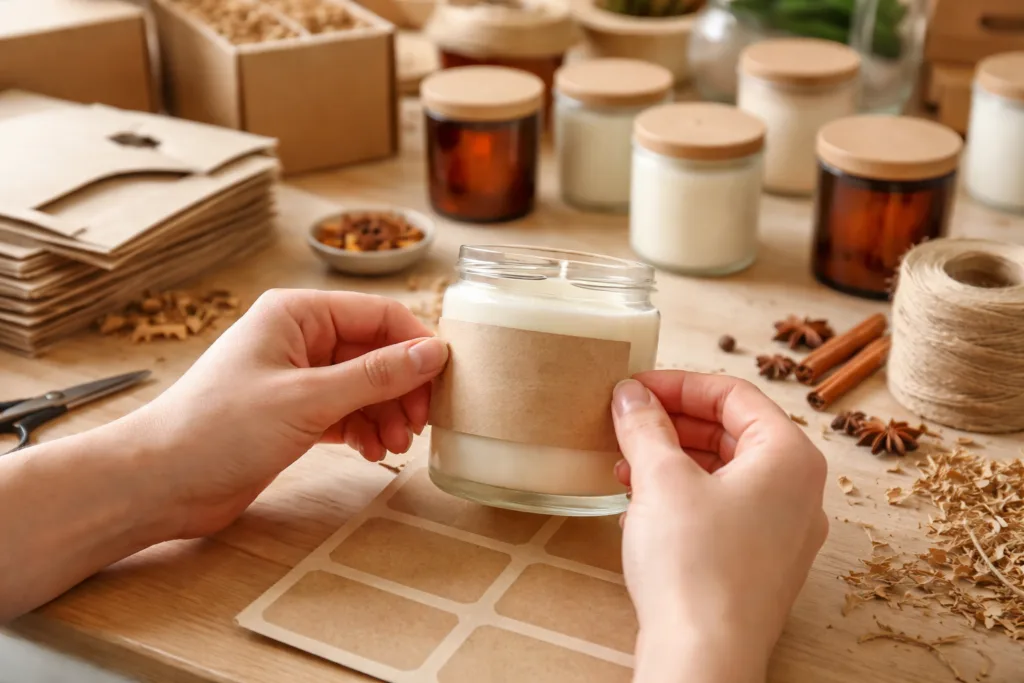
- Considers application: wraparound jar, top lid, outer box, belly band
For custom fragrance blends, detail allergen declarations and flash point data to reassure both retailers and buyers—an essential step for premium, export-ready brands.
Fragrance Profiling and Branding Storytelling
Fragrance is the emotional core of your candle line. Articulate a branding story that links scent profiles with audience aspirations:
- Capture the experience: Is this candle for relaxation, focus, celebration, or nostalgia? Tell this story on packaging and marketing collateral.
- Name intentionally: Reinforce your brand DNA—e.g., ‘Smoked Cedar Library’ for literary gifting, ‘Morning Citrus’ for spa retail.
- Highlight artisan detail: Hand-poured batches, small-batch scent curation, or exclusive collaborations set your line apart.
Cold and hot throw descriptions, fragrance load percentages, and curing time info on outer packaging signal product sophistication.
Production Workflow: From Design to Boxing
Turning packaging ideas into reality requires synchronizing creative vision with production discipline. Typical candle manufacturing and boxing process:
- Wax Preparation: Measure and melt premium wax blend, ensure flash point compatibility with desired fragrance oils.
- Fragrance Integration: Cool base wax below maximum load point (often 8–12%) before adding scent, mix for uniform dispersion.
- Wick Placement: Use pre-tested cotton, wood, or paper-core wicks—centered and secured for optimal burn profile.
- Pouring & Curing: Pour into clean vessels, cool gradually to minimize surface flaws, cure for 2–14 days depending on scent system.
- Labeling & Boxing: Hand-apply labels once surfaces are fully set, allow time for off-gassing, then box according to your custom spec.
- Quality Control: Review wick height, scent throw (both cold/hot), and inspect for leaks or label position accuracy.
Quality, Safety, and Brand Trust
Premium packaging is nothing without rigorous quality and safety checks:
- Burn testing: Confirm minimum stated hours (e.g., 35+ for 200g)
- Soot index: Prioritize soot-free performance through proper wick sizing and wax blend
- Wick centering tolerance: Standard deviation <3mm for consistent burn
- Fragrance dispersion: Assess cold/hot throw in controlled conditions
- Regulatory testing: Document compliance (IFRA, CLP, country-of-sale labeling)
Transparent production details not only enhance your product’s value but foster long-term consumer trust and shelf appeal.
Finishing Touches: Eco-Consciousness and Unboxing Experience
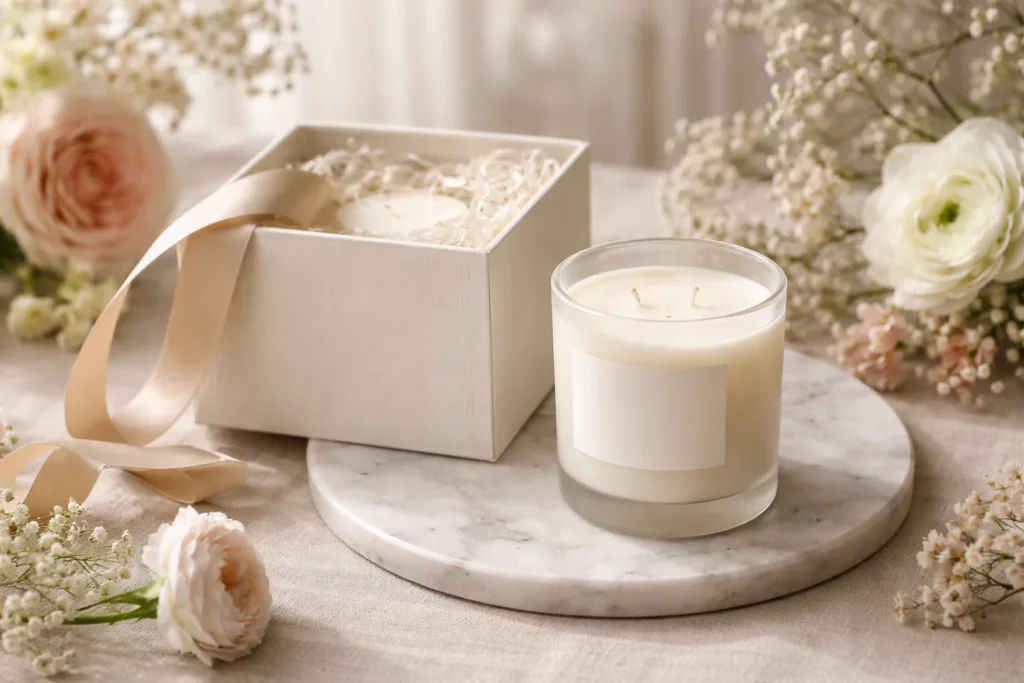
Today’s consumers favor sustainability and unboxing delight in equal measure. Elevate your custom candle packaging with:
- FSC-certified boards, recycled glass, compostable inserts
- Soy-based inks and water-based coatings for labels
- Minimalist designs with tactile, uncoated papers or eco-friendly finishes like cornstarch wraps
- Personalized touches: scent cards, ribbon pulls, refillable or reusable packaging options
Luxury brands often lead with eco-innovation, combining elegance with responsible material choices.
Frequently Asked Questions
What’s the minimum order for custom candle packaging?
Minimum orders typically range from 500 to 1,000 units for full customization. Small-scale solutions exist for startups looking to test market response before scaling up.
How do I ensure my candles stay safe in transit?
Select robust boxes sized to your vessel, add die-cut inserts or EVA foam, and use tamper-evident closures to prevent movement or breakage during shipping.
What’s required on labels for compliance?
Labels must include legal brand name, scent name, weight/volume, CLP/IFRA safety info, warnings, and allergen statements where applicable.
Which packaging materials are most sustainable?
FSC-certified paper, recycled glass, biodegradable labels, and compostable inserts are eco-friendly options widely adopted in premium candle production.
How can packaging enhance the scent experience?
Sealed, snug boxes preserve fragrance integrity during transit and display; scent cards in box and thoughtful presentation enhance anticipation and discovery.
Can I customize fragrance and packaging together?
Yes. Partnering with full-service OEM/ODM manufacturers like Circe Home enables brands to develop bespoke scents, vessels, and packaging in a seamless, integrated workflow.