
Why Choose Soy Wax for Your Candle Business?
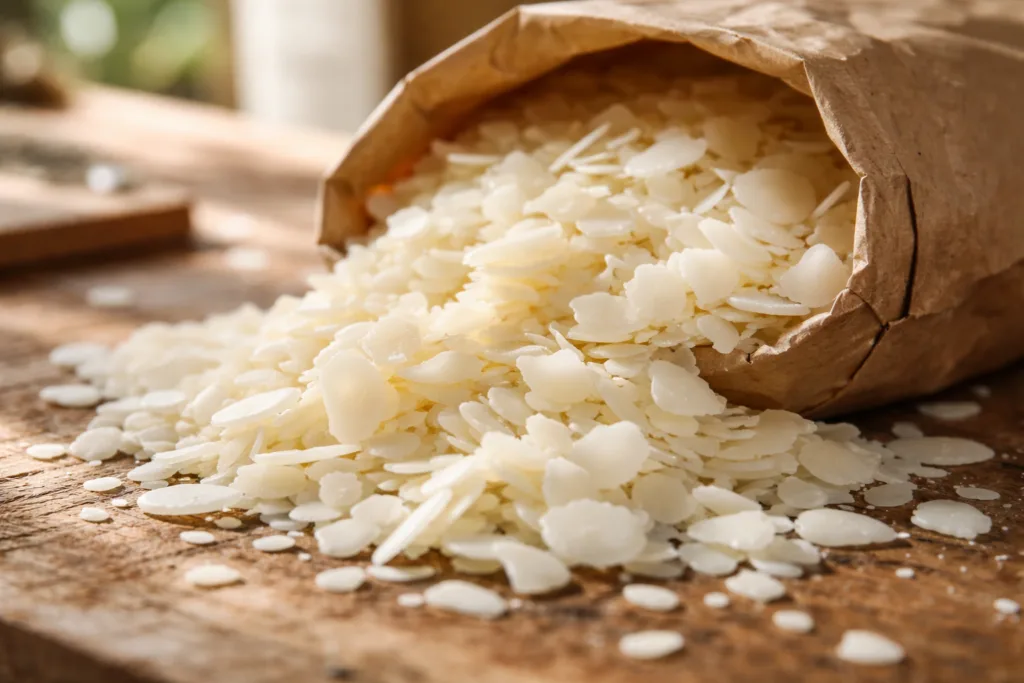
Soy wax is derived from hydrogenated soybean oil, making it a natural, renewable, and biodegradable alternative to paraffin. For new candle ventures, soy wax offers unrivaled cost-performance ratio, a clean burn profile, excellent scent retention, and wide fragrance compatibility—allowing for both robust scent throw and sophisticated visual effects. Modern consumers prioritize sustainability, and soy wax meets these demands without sacrificing performance.
| Wax Type | Burn Quality | Scent Throw (Cold/Hot) | Eco Profile | Cost |
|---|---|---|---|---|
| Soy Wax | Soot-free, clean | Strong | Renewable, compostable | Excellent value |
| Paraffin | Possible soot, smoky | Strong | Non-renewable | Low |
| Coconut Blend | Very clean | Very strong | Renewable | Premium |
| Beeswax | Exceptionally clean | Mild, natural | Sustainable | High |
Understanding Soy Wax: Key Characteristics
When starting your candle business, understanding soy wax’s core properties is essential for quality control and branding. Its melt point typically ranges from 45–52°C, ensuring a slow, even burn and full fragrance diffusion. Soy wax exhibits minimal frosting yet can display some top crystalline effects—a natural result and point of brand transparency.
- 100% soy vs. blends: Pure soy gives the cleanest burn, but blends (coconut, rapeseed) can optimize scent throw and appearance.
- Flash point: 80–90°C. Essential for safe fragrance mixing.
- Fragrance load: Up to 7–10% by weight. Matching wax structure and oil compatibility is key for performance.
- Coloring: Use eco-approved wax dyes; avoid synthetic additives.
Planning Your Eco-Friendly Candle Product Line
The backbone of a strong eco-friendly soy candle business lies in thoughtful product development. Begin with clear concept definitions—identify your core consumer (wellness, minimalist décor, gifting), signature scent themes, vessel silhouettes, and packaging intent.
Essential decisions include:
- Wax blend selection (100% soy vs. soy-coconut)
- Container type (glass, tin, ceramic, concrete) and finish
- Scent/fragrance family (floral, woody, fresh, herbal, etc.)
- Wick material and sizing for vessel
- Labeling and packaging: recycled, FSC-certified, soy ink
Eco value shines through not just in ingredients but in the full sensory and unboxing experience.
Formulating Safe, High-Performance Soy Wax Candles
The technical heart of your business lies in formulation and testing. Balancing fragrance, wax structure, and wick sizing determines your candle’s scent throw, burn quality, and overall customer satisfaction.
Stepwise process:
- Pre-pour prep: Sanitize all equipment and vessels. Pre-tab and glue wicks to jars—ensure centering for even burn.
- Melting: Warm soy wax slowly to 80–85°C. Avoid overheating to reduce frosting.
- Fragrance blending: Cool wax to 65–70°C before adding fragrance. Stir gently but thoroughly for full dispersion.
- Pouring: Fill containers slowly to minimize bubbles. Top off at room temp for a smooth finish.
- Curing: Allow at least 48 hours; optimal scent throw requires 7–10 days at ambient temperature.
Circe Home Lab Insight: “Testing fragrance load above 10% typically leads to sweating or reduced scent projection. Consistent curing ensures stable cold and hot throw.”
Mastering Fragrance Systems for Soy Wax Candles
Scent is the soul of a thriving candle business. For eco-friendly brands, prioritize premium, IFRA-compliant fragrance oils or essential oils. Soy wax’s structure holds scent well but pairs best with oils tested for wax compatibility—some essential oils can cause separation or uneven burn.
Best practices for high scent throw:
- Document precise fragrance percentages for every batch.
- Test both cold and hot throw with each oil.
- Balance complex notes for signature blends tailored to your brand.
- Be transparent about allergen and IFRA compliance in marketing.
Cold throw (unlit scent) drives shelf appeal; hot throw (when burning) ensures repeat customers. Both are maximized with correct curing time and fragrance blending.
Wick Choices and Burn Profile Optimization
Efficient wicking is critical for clean, soot-free burns. Choose unbleached cotton or FSC-certified wood wicks sized for the diameter and depth of your chosen vessels and wax blend. Overly thick wicks can cause tunneling or soot, while under-sized wicks may drown in the wax pool.
- Use burn tests to identify ideal wick for each jar and scent combo.
- Trim length: Pre-cut to 5 mm for best burn control and minimal mushrooming.
- Use wick stickers or glue for exact centering stability.
Premium OEM producers like Circe Home analyze wick/wax/scent interplay for every private-label development, ensuring best-in-category burn performance.
Designing Containers and Eco Packaging
Vessels communicate brand value. Glass jars dominate the eco-conscious home fragrance market for their recyclability and timeless styling. However, ceramics, concrete, and aluminum tins expand creative freedom and transport safety.

Key container decision factors:
- Material: Choose for aesthetics, insulation, safety, and weight.
- Interior finish: Frosted, colored, or natural. Must resist wax and fragrance infiltration.
- Decorative details: Embossed logos, foil-stamped lids, or etched bases elevate presentation.
- Packing: Rigid boxes, tissue liners, and compostable fill all support responsible luxury positioning.
Work with packaging partners who source FSC-certified cartons and print with soy or water-based inks. Flexible MOQ options are available for startup runs, especially through established manufacturers.
Quality Control, Testing, and Regulatory Compliance
Rigorous quality assurance builds trust from first batch to scale. Each candle should be tested for:
- Consistent burn time (>35 hours for 200g candles)
- Soot index (visual and instrumental—ensure soot-free performance)
- Fragrance dispersion uniformity across batches
- Proper wick centering and adherence
- Compliance: IFRA 51st for fragrances, CLP/CLV labeling for EU, allergen declarations, and safety warnings
Leverage product safety sheets, batch records, and regular lab retesting. Work with reputable suppliers like Circe Home for technical and regulatory support on private-label projects.
How to Start a Candle Business with Eco-Friendly Soy Wax
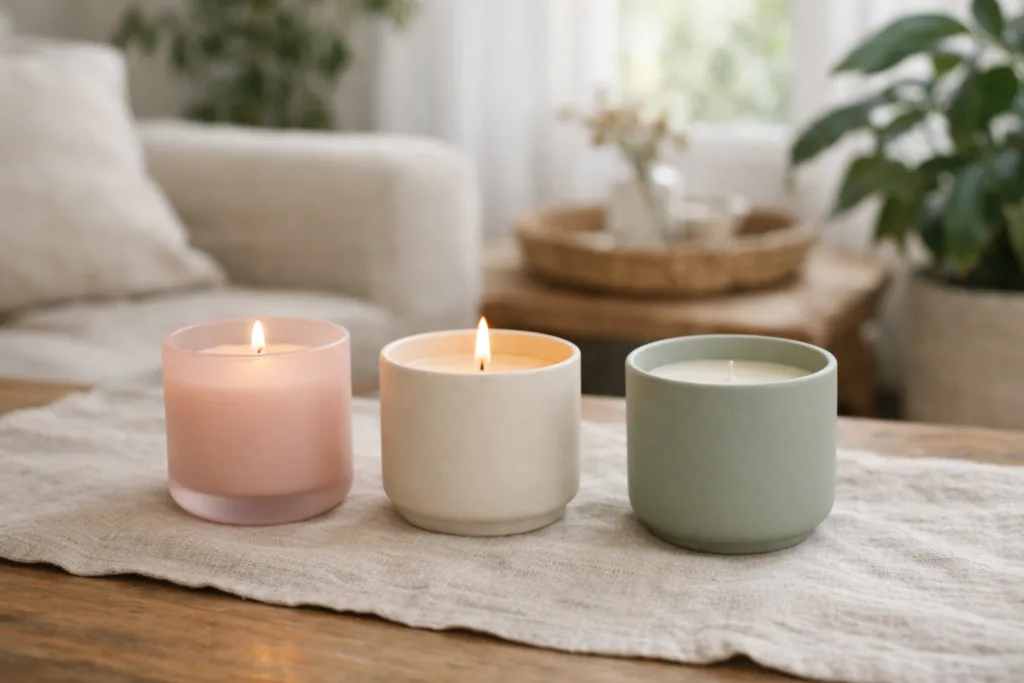
Ready to make your mark? Begin with a concise business plan: articulate your brand vision, outline eco values, detail funding requirements, and define target distribution channels (DTC, boutique retail, gifting, or white-label). Explore local sourcing for soy wax, wicks, vessels, and packaging to reduce environmental impact. Test prototypes extensively before launch, refine based on feedback, and offer limited-edition seasonal scents to spark early customer interest.
Connect with trusted OEM/ODM partners or consider starter production runs in-house for complete quality oversight. Community, transparency, and authenticity distinguish lasting eco soy wax candle brands—your journey starts with each intentional choice, from raw materials to finished product reveal.
Frequently Asked Questions
Is soy wax really better for the environment?
Soy wax is sourced from renewable soybeans, is biodegradable, and produces less soot, making it a top eco-friendly choice for candle businesses focused on sustainability and clean air standards.
What fragrance load is optimal for soy candles?
Optimal fragrance load for soy wax candles ranges from 7–10% by weight. Exceeding this can reduce burn quality or cause oil separation, so thorough testing is essential.
Can I use essential oils in all soy wax blends?
Not all essential oils are compatible; some may affect burn quality or settle out. Test each oil in your formulation for stability, scent throw, and IFRA compliance.
How long should soy candles cure before sale?
Soy wax candles reach best scent throw after curing 7–10 days at ambient temperature, which allows fragrance to fully bind and stabilize within the blend.
What makes a vessel “eco-friendly”?
Eco-friendly vessels are made of recyclable or upcycled materials like glass, tin, or ceramic, often paired with compostable lids and certified sustainable packaging.
Do soy wax candles suit luxury and mass-market brands?
Soy wax works for both; its clean burn, strong scent, and cost-effectiveness are valued for premium private-label lines as well as high-volume mass-market runs.