
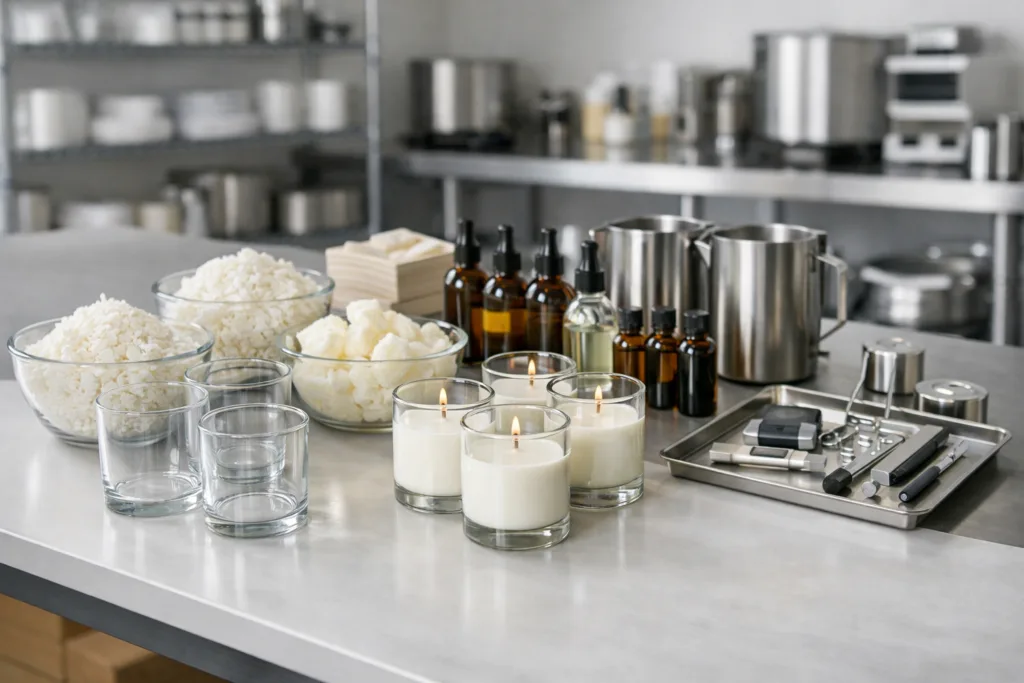
Finding a reliable candle manufacturer is one of the most critical decisions a US candle brand will ever make. Whether you are launching a boutique private label candle line, scaling an existing DTC brand, or supplying retail partners, your manufacturer directly affects product quality, customer safety, brand reputation, margins, and long-term growth.
In today’s crowded candle market, where soy candles, coconut wax blends, and luxury fragrance positioning have become table stakes, manufacturing reliability is no longer optional. A single quality issue, delayed shipment, or compliance failure can undo years of brand-building.
This guide is written specifically for US brands. It breaks down exactly how to find, evaluate, and choose reliable candle manufacturers, step by step, with practical insights based on real-world production, not theory.
Why Choosing the Right Candle Manufacturer Matters for US Brands
Many first-time founders assume candle manufacturing is simple: wax, fragrance, a jar, and a wick. In reality, candles are a regulated consumer product with safety, labeling, and performance risks.
An unreliable manufacturer can lead to:
- Inconsistent burn performance and tunneling
- Fragrance throw issues that result in negative reviews
- Non-compliant formulations that violate IFRA or ASTM standards
- Missed retail deadlines
- Costly recalls or forced re-labeling
For US brands, these risks are amplified because consumers are highly litigious, retailers demand documentation, and online reviews spread fast. Reliability is not about finding the cheapest supplier—it is about protecting your brand.
Key Qualities of a Reliable Candle Manufacturer
Before contacting suppliers, you need to understand what “reliable” actually means in candle manufacturing.
Consistent Product Quality
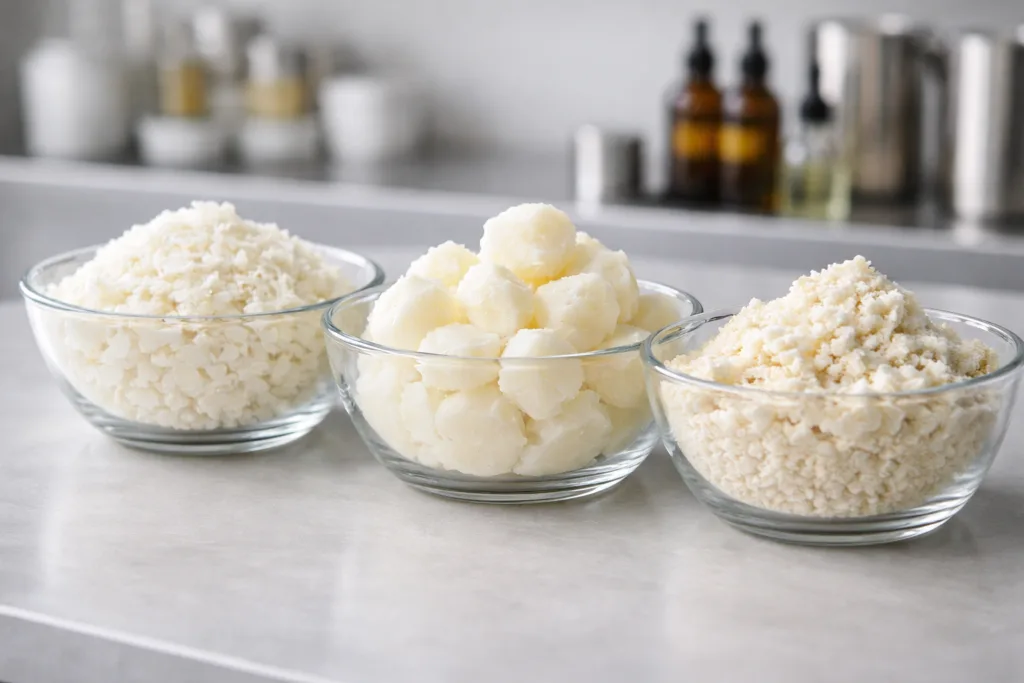
A reliable manufacturer delivers consistent results across batches. This includes:
- Stable wax blends with predictable melt points
- Controlled fragrance load and dispersion
- Wick testing matched to vessel diameter
- Repeatable burn performance
Consistency matters more than perfection. A candle that burns the same way every time builds consumer trust.
Compliance with US Safety Standards
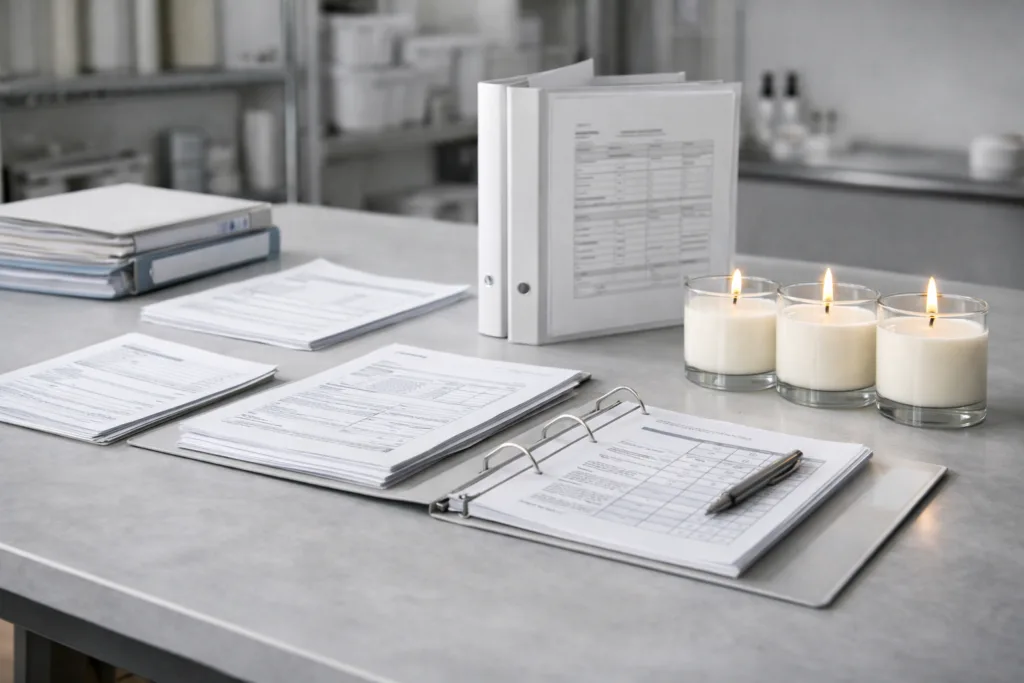 Any manufacturer serving US brands must understand and support:
- IFRA fragrance compliance
- ASTM F2058 candle fire safety standards
- SDS / MSDS documentation
- Proper warning labels
If a factory cannot clearly explain compliance requirements, that is a serious red flag.
Customization Capability
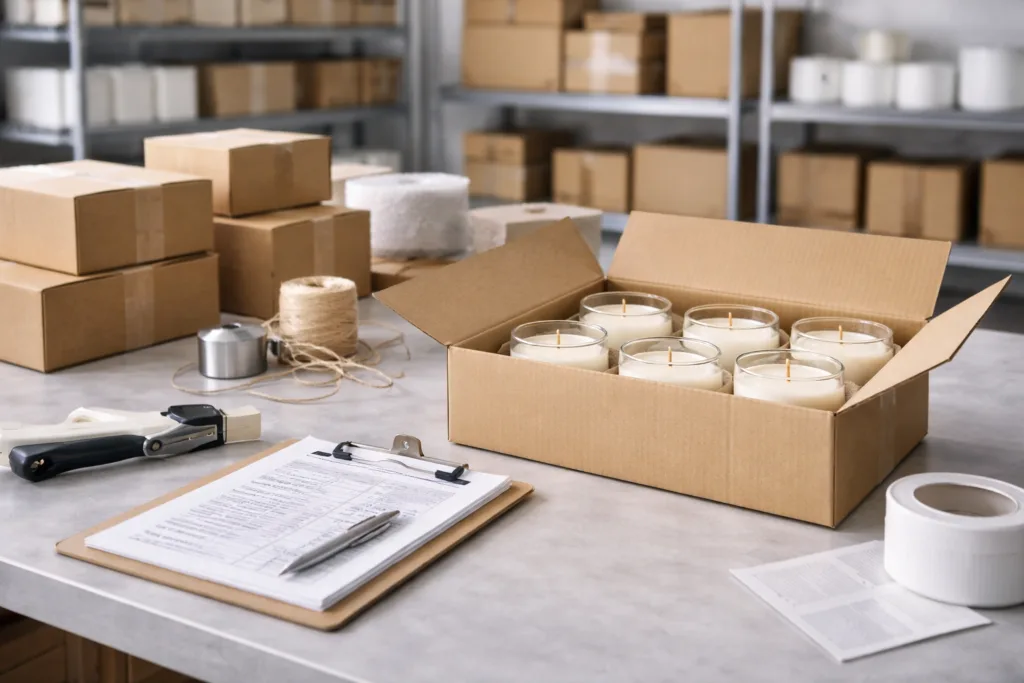 Reliable manufacturers offer structured customization, not chaos. This includes:
- Private label production
- Existing fragrance libraries plus custom development
- Multiple wax options
- Vessel and packaging coordination
Customization should be guided, not unlimited. Too much flexibility without structure often leads to mistakes.
Reasonable MOQ and Scalability
For US startups, MOQ matters. A good manufacturer:
- Supports small MOQs (100–300 units) for testing
- Can scale to thousands of units as demand grows
- Offers transparent pricing tiers
Scalability protects you from switching factories mid-growth.
Domestic vs Overseas Candle Manufacturers
US brands often debate whether to manufacture domestically or overseas. Both options have trade-offs.
US-Based Manufacturers
Pros:
- Faster communication
- Shorter lead times
- Easier site visits
- “Made in USA” branding
Cons:
- Higher unit costs
- Limited customization
- Often higher MOQs for small brands
Overseas Manufacturers
Pros:
- Significant cost advantages
- Strong customization capability
- Lower MOQs in many cases
Cons:
- Time zone differences
- Longer shipping timelines
- Quality control requires structure
The real deciding factor is not location, but experience with US market requirements.
Step-by-Step Process to Vet Candle Manufacturers
Step 1 – Research and Shortlist
Start with:
- Google searches
- Industry referrals
- Trade platforms
Review websites carefully. Professional presentation, clear product focus, and transparency matter.
Step 2 – Ask the Right Questions
Key questions include:
- What wax types do you use?
- Are fragrances IFRA-compliant?
- What is your standard MOQ?
- What documents do you provide?
- What is your typical lead time?
Vague answers indicate lack of process.
Step 3 – Request Samples
Never skip sampling. Evaluate:
- Cold and hot throw
- Burn behavior
- Vessel quality
- Packaging execution
Samples reveal more than any sales pitch.
Step 4 – Evaluate Communication
Reliable manufacturers communicate clearly, proactively, and professionally. Delays, confusion, or defensive behavior early on usually worsen later.
Red Flags to Watch Out For
Avoid manufacturers who:
- Offer prices far below market average
- Cannot provide compliance documentation
- Refuse samples or rush bulk orders
- Avoid written agreements
- Change answers frequently
Trust patterns, not promises.
Questions US Brands Should Ask Before Placing an Order
- What wax blend do you recommend and why?
- How do you test burn performance?
- Can you support private labeling?
- What happens if there is a quality issue?
- How do you handle reorders?
These questions reveal operational maturity.
Building a Long-Term Manufacturing Partnership
The best candle manufacturers act as partners. Long-term collaboration leads to:
- Stable pricing
- Priority production slots
- Better product development
- Fewer mistakes
Short-term savings rarely outweigh long-term stability.
Final Thoughts – Reliability Over Price
 For US candle brands, manufacturing is not just production—it is risk management. The right manufacturer protects your reputation, supports your growth, and helps you deliver consistent quality.
Choose reliability first. Everything else follows.
FAQ
What is the best MOQ for private label candles?
Many reliable manufacturers support 100–300 units per fragrance for startups.
Do I need IFRA compliance for US candle sales?
Yes. IFRA compliance is essential for fragrance safety and retail acceptance.
Is overseas manufacturing safe for US brands?
Yes, if the manufacturer understands US compliance and quality expectations.
How long does candle production usually take?
Samples typically take 2–3 weeks, bulk production 3–5 weeks depending on complexity.
Should I prioritize price or quality?
Quality and reliability should always come first for brand sustainability.