
How to Start a Candle Business: The Complete Beginner’s Guide (2026)
Unlocking the world of candle entrepreneurship requires more than passion—you need clarity, manufacturing insight, and a vision for a scent-driven brand. This complete beginner’s guide to launching your candle business in 2026 will walk you through essential wax choices, fragrance systems, packaging options, compliance, and proven strategies to build a memorable brand. Whether you’re crafting at home or seeking support from experts like Circe Home, this guide sets a robust foundation for a flourishing candle venture.
Understanding the Candle Business Landscape in 2026
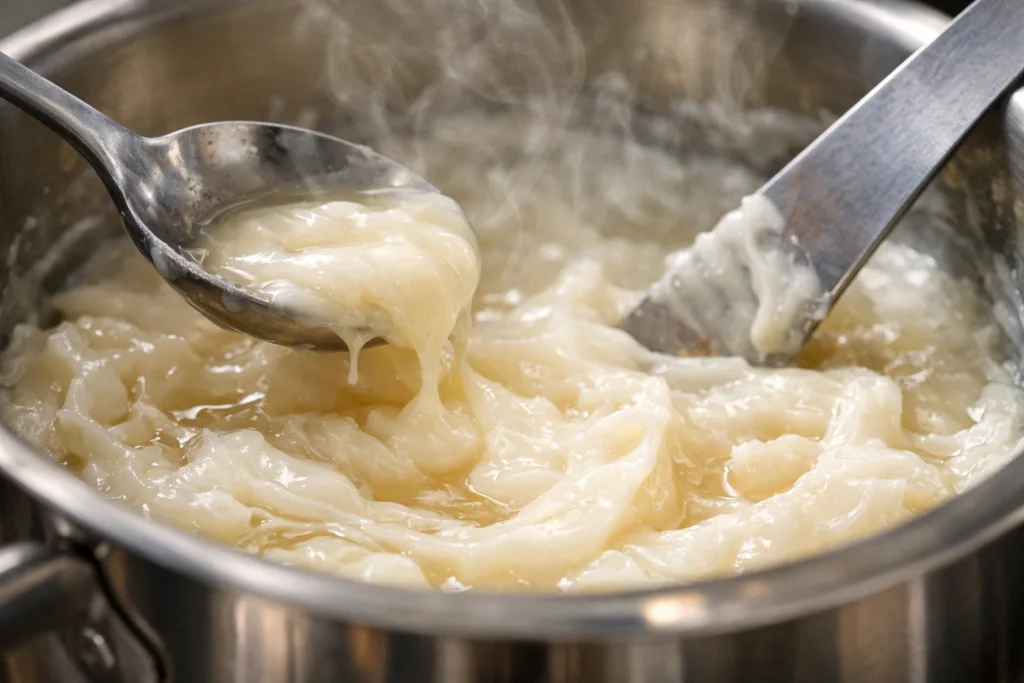
The candle business has evolved—premium fragrances, eco-conscious formulas, and unique vessels now define market success. To compete, new businesses must deliver clean burns, sophisticated scents, and compliant, elegant packaging. Assessing the current landscape helps clarify the audience: luxury home décor shoppers, wellness enthusiasts, boutique retailers, and hospitality buyers all seek high-quality, differentiated products. The rise of private-label OEM/ODM providers, including Circe Home, has also enabled entrepreneurs to access refined wax blends and tailored, compliant solutions.
Key Market Drivers
- Growth in self-care and wellness gifting culture
- Strong demand for sustainable, clean-burning waxes
- Emphasis on artisan fragrances and aesthetic presentation
- Tighter compliance (IFRA, CLP, fragrance declarations)
How to Start a Candle Business: The Complete Beginner’s Guide (2026)
To transform your candle concept into a standout business, mapping each critical step matters—from product ideation to quality assurance and market launch. Strategic decisions about wax blends, fragrance systems, wicks, and packaging ensure your business meets modern quality and compliance standards.
Defining Your Candle Brand Vision
Clarify your mission: Are you curating eco-chic home fragrances, or seeking to tap into wellness spa retail? Brand identity influences every decision, from scent naming to packaging formats and marketing voice.
Legal Setup and Compliance Essentials
- Register your business with clear structure (LLC, sole proprietorship, etc.)
- Secure cosmetic and fragrance compliance support if selling in regulated markets (e.g., IFRA, EU CLP)
- Create safety data sheets and allergen declarations for all scented formulas
Choosing Candle Wax and Formulation for Maximum Scent and Burn
The backbone of your candle business is the wax blend. Each type impacts fragrance throw, burn efficiency, appearance, and brand positioning. Selecting the right formula sets your products apart and ensures a reliable, enjoyable burn for end consumers.
| Wax Type | Scent Throw | Burn Time (200g) | Sustainability | Visual |
|---|---|---|---|---|
| Soy Wax | Moderate-Strong | ~40 hours | Renewable | Creamy, smooth |
| Coconut Wax | Strong | ~38 hours | Highly renewable | Soft, luxe |
| Rapeseed Wax | Moderate | ~35 hours | European, local | Pale, matte |
| Beeswax | Medium | ~45 hours | Natural byproduct | Golden, firm |
| Paraffin | Strong | ~32 hours | Petrochemical | Crisp, flawless |
| Custom Blend | Optimized | Varies | Variable | Tailored |
Wax Selection Criteria
- Burn Profile: Soot-free, consistent melt pool, minimal wax residue
- Scent Retention: High max fragrance load (7–12% typical)
- Melt Point: Consider local climate and shipping risks
- Frosting Tendency: Soy and rapeseed can frost, requiring formulation tweaks
Fragrance Systems: Crafting a Signature Scent
The interplay between wax, fragrance oils, and essential oils defines your candle’s signature. Cold throw (unlit aroma) and hot throw (scent when burning) must both excel for market success. Each wax and fragrance combination must be tested for compatibility and compliance—some essential oils discolor soy or accelerate wick clogging.
Fragrance Options
- Essential Oils: Pure botanicals but limited throw in waxes; may require expert blending
- Fragrance Oils: Designed for high performance, broader scent profiles, must be IFRA-reviewed
- Allergen and IFRA Compliance: All systems must include allergen declarations and conform to regulatory updates (e.g., IFRA 51st amendment)
“Circe Home Lab Insight: Maximum scent load is determined by wax compatibility tests, not just fragrance supplier spec sheets. A 10% load in a coconut blend may outperform a 12% load in soy for hot throw.”
Curing Time and Scent Development
Allow 1–2 weeks cure time post-pour for soy, coconut, and rapeseed blends. This ensures fragrance fully binds for optimal cold and hot throw. Beeswax often requires less cure; paraffin can be assessed after 48–72 hours.
Wicks, Vessels, and Aesthetic Choices
Wick selection and vessel design define burn quality, safety, and visual impact. Cotton and wood wicks suit luxury brands, while eco-wicks and paper-core support minimalist or sustainability-focused lines. Sizing must be matched to wax blend, vessel width, and intended burn time for soot-free results.
Choosing Wicks
- Cotton: Low mushrooming, works across waxes
- Wood: Distinct crackle, modern luxe appeal, requires expert priming
- Eco-Paper Core: Consistent burn, suitable for paraffin blends
Vessel Selection and Customization
Glass jars (clear, frosted, colored), ceramic cups, concrete, and metal tins each have distinct branding impact. Many manufacturers, like Circe Home, provide custom design, coatings, and embossed finishes. Outer packaging (boxes, foiled sleeves) plays a vital role in luxury retail and gifting channels.
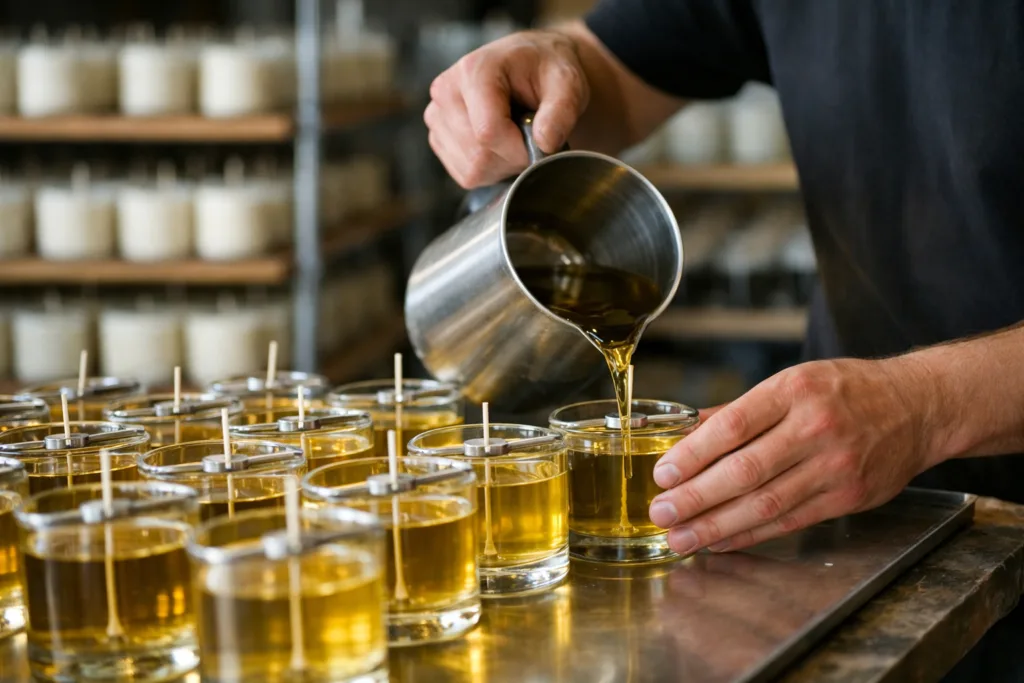
Manufacturing Process: From Lab to Launch
Scaling production from bench tests to launch-ready batches demands keen attention to process, quality checks, and compliance.
Production Steps
- Prepping and sanitizing containers
- Glues and centers wicks—spec within ±2 mm tolerance
- Melts and blends wax at optimal temperature (beeswax 75°C, soy 60–70°C)
- Adds fragrance at flash point-safe temp (typically 65–75°C)
- Pours and cools, avoiding surface dimpling
- Cures in temperature-controlled space
- Top-shaves, cleans, and packages
Quality and Safety Testing
- Burn time tests (aim: >35 hours for 200g)
- Soot index rating
- Fragrance dispersion checked at 25%, 50%, and 75% burn
- Wick mushrooming and tunneling observations
- Label accuracy: IFRA and CLP data, batch traceability, allergen symbols
Packaging, Compliance, and Eco-Innovation
Elegant packaging extends brand narrative and elevates unboxing. Luxury brands use custom foils, textured labels, and heavyweight cartons. Sustainability can set you apart: opt for FSC cartons, soy ink, refillable vessels, and compostable mailers. Compliance remains non-negotiable: adhere to CLP, IFRA, batch codes, safety icons, and fragrance declarations on all products sold within the EU and UK. Many OEM/ODM providers now support turn-key private label compliance—from design to documentation.
Scaling Up: Sales Channels & Marketing
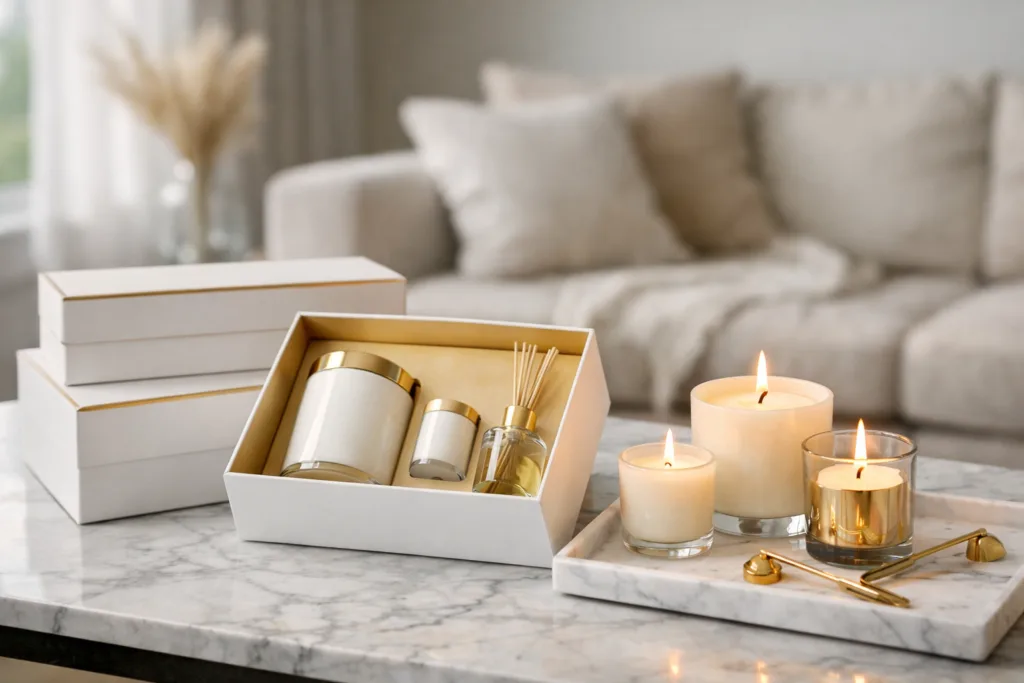
With product lines refined, choose where to launch: direct-to-consumer (DTC), boutiques, luxury spas, hotels, or gifting subscription boxes. Digital-first brands succeed with immersive storytelling and scent-based sampling programs. Wholesale/private-label programs drive volume, as retailers seek ready-to-brand or co-developed lines. Consider seasonal limited editions and collaborations to sustain buzz and repeat purchases. Invest in share-worthy photography, clear web copy, and education content to differentiate in a crowded market.
Frequently Asked Questions
What’s the best wax blend for beginners?
Soy-coconut blends offer forgiving pour temperatures, strong scent throw, and clean burn, making them ideal for first-time candle makers aiming for premium results.
How do I ensure my candles are compliant for the EU market?
Comply with CLP labeling, secure IFRA fragrance certification, and maintain allergen declarations. Partnering with an experienced OEM like Circe Home streamlines compliance at all steps.
How much fragrance should I add to my candle wax?
Typically use 7–12% fragrance load by wax weight, but conduct test burns for each formula and vessel to ensure safe, consistent scent dispersion with your chosen wax blend.
Do I need special equipment to start a candle business from home?
Basic tools (thermometer, pour pitchers, scale, molds, heat source) suffice initially, but precision pouring and QC equipment is critical as your business scales for professional consistency.
What differentiates luxury candles from standard brands?
Luxury lines emphasize refined scent, premium waxes, flawless finish, elegant packaging, and full compliance—often with custom fragrance stories, limited editions, and sustainable features.
How long should candles cure before sale?
Most soy and coconut blend candles require 1–2 weeks of curing to optimize cold throw and hot throw. Beeswax and paraffin often need less time, but always test burn before release.